
India's Fighter Jet Acquisition: A Global Tender for 114 Aircraft
Generado por agente de IAEdwin Foster
viernes, 14 de febrero de 2025, 6:20 am ET2 min de lectura
BA--
India is set to seek global bids this year for the acquisition of 114 multi-role fighter aircraft (MRFA), marking a significant step in bolstering its air capabilities. This tender, critical for the Indian Air Force (IAF), comes at a time when rival China is rapidly expanding its air force, and the IAF's squadron strength has fallen to 31 from an approved strength of 42. The MRFA project is a continuation of an uncompleted acquisition of 126 jets that started in 2007 but was withdrawn in 2015 after the Modi government decided to buy 36 Rafale fighter jets from Dassault Aviation.
The Indian government's decision to adopt an "open tender" method for the MRFA procurement is a departure from the previous single-vendor deals, such as the 2016 Rafale purchase. This approach aims to introduce competitive pricing, ensure transparency, and avoid public scrutiny issues, especially given the heightened global demand for fighter jets. The open tender process is expected to attract bids from major global defense companies, including Lockheed Martin, Boeing, Dassault Aviation, Saab, and Eurofighter.
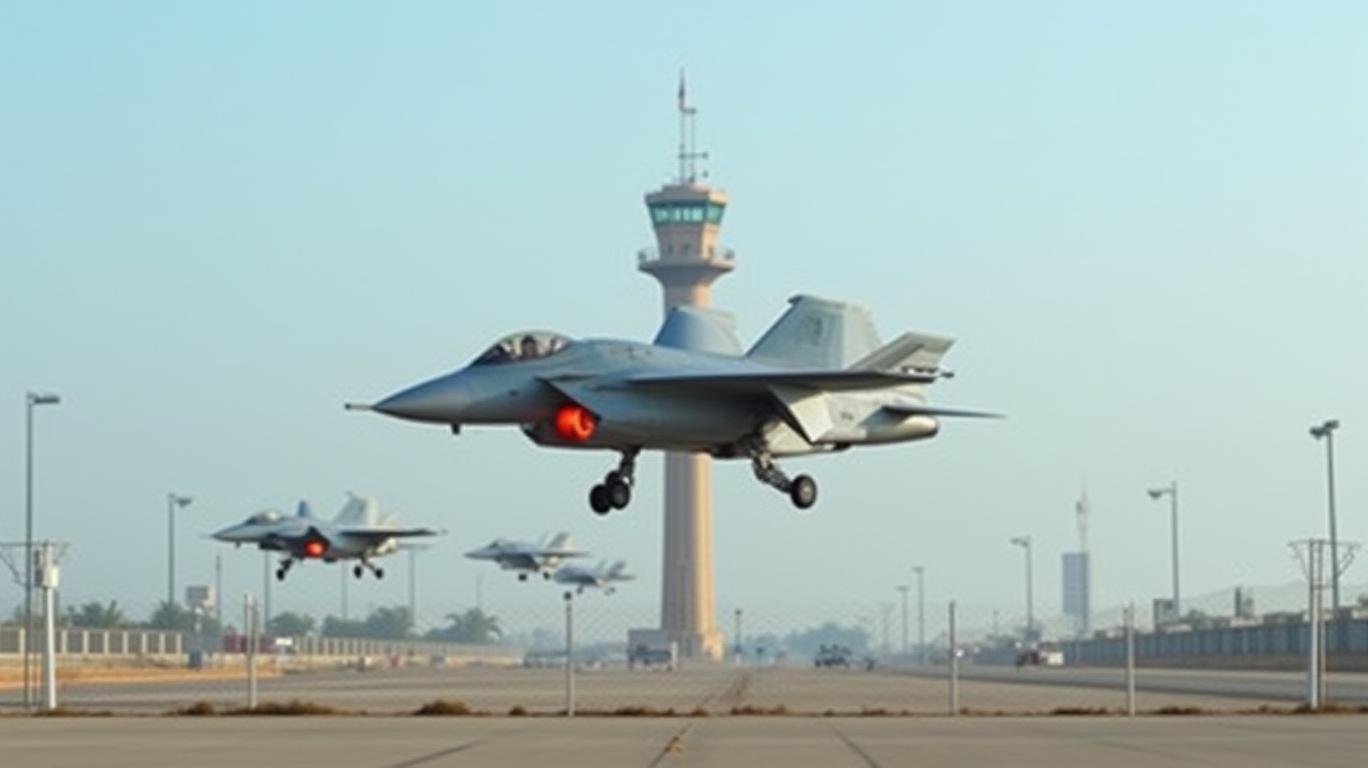
The IAF's preference for the "Jaguar model" in its upcoming MRFA tender signals a shift in its acquisition strategy. This approach, inspired by the IAF's experience with its SEPECAT Jaguar fleet, emphasizes autonomy in upgrading and weapon integration. By seeking greater control over the lifecycle management of its aircraft, the IAF aims to reduce its reliance on foreign suppliers for critical upgrades or parts, ensuring the availability of essential components even during times of conflict or diplomatic strain. This approach aligns with India's broader "Aatmanirbhar Bharat" (Self-Reliant India) initiative, which aims to reduce dependence on foreign imports and promote domestic manufacturing and innovation in the defense sector.
The primary considerations for global defense manufacturers in responding to India's MRFA tender include:
1. Transfer of Technology and Local Production: India's "Make in India" initiative requires foreign vendors to partner with local firms for assembly and manufacturing. This not only strengthens India's defense ecosystem but also promotes technology transfer and builds a skilled local workforce.
2. Cost-Effectiveness: With India's focus on indigenous upgrades and weapon integration, manufacturers must ensure their offerings are cost-effective in the long run. This includes considering the total lifecycle costs, maintenance, and upgradeability of the aircraft.
3. Technological Sharing: India is seeking greater control over the lifecycle management of its aircraft, including access to source codes and system integration capabilities. This may require manufacturers to share advanced technology with India, which could be a challenging proposition for some.
4. Competitive Pricing: With multiple vendors competing for the MRFA contract, manufacturers must offer competitive pricing to secure the deal. This could involve negotiating offsets, technology transfer, and other incentives to make their bids more attractive.
In conclusion, India's decision to seek global bids for 114 multi-role fighter aircraft is a strategic move to bolster its air capabilities, enhance transparency, and promote self-reliance in defense manufacturing. The "Jaguar model" approach to fighter aircraft acquisition influences the selection process and has potential impacts on the defense industry and technology transfer. Global defense manufacturers must consider the primary considerations, including transfer of technology, cost-effectiveness, technological sharing, and competitive pricing, to effectively compete in the Indian market and secure the MRFA contract.
LMT--
India is set to seek global bids this year for the acquisition of 114 multi-role fighter aircraft (MRFA), marking a significant step in bolstering its air capabilities. This tender, critical for the Indian Air Force (IAF), comes at a time when rival China is rapidly expanding its air force, and the IAF's squadron strength has fallen to 31 from an approved strength of 42. The MRFA project is a continuation of an uncompleted acquisition of 126 jets that started in 2007 but was withdrawn in 2015 after the Modi government decided to buy 36 Rafale fighter jets from Dassault Aviation.
The Indian government's decision to adopt an "open tender" method for the MRFA procurement is a departure from the previous single-vendor deals, such as the 2016 Rafale purchase. This approach aims to introduce competitive pricing, ensure transparency, and avoid public scrutiny issues, especially given the heightened global demand for fighter jets. The open tender process is expected to attract bids from major global defense companies, including Lockheed Martin, Boeing, Dassault Aviation, Saab, and Eurofighter.
The IAF's preference for the "Jaguar model" in its upcoming MRFA tender signals a shift in its acquisition strategy. This approach, inspired by the IAF's experience with its SEPECAT Jaguar fleet, emphasizes autonomy in upgrading and weapon integration. By seeking greater control over the lifecycle management of its aircraft, the IAF aims to reduce its reliance on foreign suppliers for critical upgrades or parts, ensuring the availability of essential components even during times of conflict or diplomatic strain. This approach aligns with India's broader "Aatmanirbhar Bharat" (Self-Reliant India) initiative, which aims to reduce dependence on foreign imports and promote domestic manufacturing and innovation in the defense sector.
The primary considerations for global defense manufacturers in responding to India's MRFA tender include:
1. Transfer of Technology and Local Production: India's "Make in India" initiative requires foreign vendors to partner with local firms for assembly and manufacturing. This not only strengthens India's defense ecosystem but also promotes technology transfer and builds a skilled local workforce.
2. Cost-Effectiveness: With India's focus on indigenous upgrades and weapon integration, manufacturers must ensure their offerings are cost-effective in the long run. This includes considering the total lifecycle costs, maintenance, and upgradeability of the aircraft.
3. Technological Sharing: India is seeking greater control over the lifecycle management of its aircraft, including access to source codes and system integration capabilities. This may require manufacturers to share advanced technology with India, which could be a challenging proposition for some.
4. Competitive Pricing: With multiple vendors competing for the MRFA contract, manufacturers must offer competitive pricing to secure the deal. This could involve negotiating offsets, technology transfer, and other incentives to make their bids more attractive.
In conclusion, India's decision to seek global bids for 114 multi-role fighter aircraft is a strategic move to bolster its air capabilities, enhance transparency, and promote self-reliance in defense manufacturing. The "Jaguar model" approach to fighter aircraft acquisition influences the selection process and has potential impacts on the defense industry and technology transfer. Global defense manufacturers must consider the primary considerations, including transfer of technology, cost-effectiveness, technological sharing, and competitive pricing, to effectively compete in the Indian market and secure the MRFA contract.

Divulgación editorial y transparencia de la IA: Ainvest News utiliza tecnología avanzada de Modelos de Lenguaje Largo (LLM) para sintetizar y analizar datos de mercado en tiempo real. Para garantizar los más altos estándares de integridad, cada artículo se somete a un riguroso proceso de verificación con participación humana.
Mientras la IA asiste en el procesamiento de datos y la redacción inicial, un miembro editorial profesional de Ainvest revisa, verifica y aprueba de forma independiente todo el contenido para garantizar su precisión y cumplimiento con los estándares editoriales de Ainvest Fintech Inc. Esta supervisión humana está diseñada para mitigar las alucinaciones de la IA y garantizar el contexto financiero.
Advertencia sobre inversiones: Este contenido se proporciona únicamente con fines informativos y no constituye asesoramiento profesional de inversión, legal o financiero. Los mercados conllevan riesgos inherentes. Se recomienda a los usuarios que realicen una investigación independiente o consulten a un asesor financiero certificado antes de tomar cualquier decisión. Ainvest Fintech Inc. se exime de toda responsabilidad por las acciones tomadas con base en esta información. ¿Encontró un error? Reportar un problema


SOBRE NOSOTROS
Nuestra historiaAutores de noticiasBase de conocimientosPolítica de privacidadTérmino de usoDescargo de responsabilidad de corretaje de tercerosTérminos de uso de AIMEDivulgaciones de riesgos de AInvest AICarrerasCONTÁCTENOS
Email: support@ainvest.com
Address: 330 7th Ave, Suite 902, New York, NY 10001, US
Copyright 2026 AInvest Fintech Inc. All rights reserved.


Comentarios
Aún no hay comentarios