
Highland Critical Minerals' Strategic Move to Acquire Nunavut Mining Claims
Strategic Positioning in a High-Demand Sector
Highland's move to acquire these claims through its subsidiary, 6025 Nunavut Ltd., underscores the growing urgency among junior miners to secure assets in regions with untapped potential. Nunavut, Canada's largest and northernmost territory, has long been recognized for its mineral-rich geology, particularly in greenstone belts like Yathkyed Lake, which are historically associated with gold, copper, and base metals. While the company has not yet confirmed the presence of rare earth elements or other critical minerals essential to clean energy technologies, the global demand for such resources is projected to surge as nations decarbonize their economies.
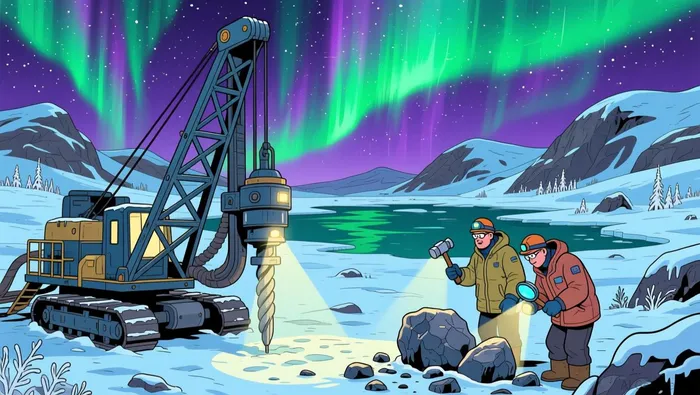
The transaction's structure-issuing 50,000 class A common shares as consideration, subject to a one-year lockup-reflects Highland's confidence in its ability to leverage the claims' value without immediate cash outlay. This approach is typical for junior explorers seeking to minimize upfront costs while retaining flexibility during due diligence. However, the absence of detailed geological data in publicly available reports raises questions about the property's readiness for large-scale investment.
Market Relevance and Geopolitical Context
The strategic value of Highland's claims must be assessed against the backdrop of intensifying global competition for critical minerals. Governments and corporations alike are prioritizing supply chain resilience, with Canada positioning itself as a key player in the transition to green energy. Nunavut's remote but resource-rich environment, while logistically challenging, offers a politically stable jurisdiction that aligns with North American decarbonization goals.
Notably, the Yathkyed Lake Greenstone Belt has not been the subject of recent detailed geological surveys in the provided sources, leaving a gap in publicly available data. This lack of transparency could either signal underexplored potential or underscore the risks of speculative exploration. For Highland, the 120-day exclusivity period to negotiate a definitive purchase agreement provides a critical window to conduct due diligence and assess the property's alignment with market needs.
Risks and Uncertainties
Despite the strategic logic of the acquisition, several risks could temper its value proposition. First, the absence of confirmed critical minerals in the claims means the company's success hinges on the outcomes of future exploration. Second, the remote location of Nunavut entails high operational costs and environmental scrutiny, which could delay or inflate development timelines. Third, the lockup period on issued shares may limit shareholder liquidity, potentially affecting investor sentiment.
Moreover, the recent divestment of Greenstone Resources II L.P.'s stake in Highland Copper Company Inc. highlights shifting investor priorities in the sector. While this does not directly impact Highland's Nunavut claims, it underscores the volatility of capital flows in junior mining, where speculative bets often depend on macroeconomic conditions and commodity price trends.
Conclusion: A Calculated Gamble
Highland Critical Minerals' acquisition of Nunavut mining claims is a high-stakes maneuver that could pay off if the Yathkyed Lake Greenstone Belt hosts economically viable critical minerals. The company's reliance on share issuance and the absence of immediate geological data suggest a focus on long-term value creation rather than short-term gains. For investors, the key variables will be the results of due diligence, the discovery of high-demand minerals, and the company's ability to navigate regulatory and logistical hurdles.
In an era where critical minerals are the new oil, Highland's move reflects the broader industry's pivot toward securing assets in politically stable, resource-rich regions. Whether this deal becomes a cornerstone of the company's growth or a cautionary tale will depend on the interplay of geology, market forces, and execution.







Comentarios
Aún no hay comentarios