
Gillette India’s Rural Renaissance: Profit Surge Amid Urban Headwinds
Gillette India’s first quarter results for fiscal 2025 have delivered a compelling narrative of resilience and strategic foresight. While urban markets grapple with the weight of rising living costs, the company’s rural expansion and product innovation have propelled a 43.5% profit jump to ₹133.01 crore—a testament to the untapped potential of India’s hinterlands. This performance underscores a broader truth: consumer firms that align with rural demand resilience and judiciously invest in brand equity may yet thrive in an uneven economic landscape. For investors, Gillette’s Q1 results are not just a snapshot of success but a roadmap for long-term value creation.
The Urban-Rural Divide: A Tale of Two Markets
Gillette’s grooming segment, which accounts for over 80% of its revenue, surged 23% to ₹648.9 crore, driven by rural adoption of premium products like multi-blade razors and gel shaving creams. In contrast, urban demand faced “pressure from rising costs of living,” as the company noted. This divergence reflects a critical shift: rural markets, buoyed by good harvests and state-led welfare programs, are becoming the engine of consumption growth. Meanwhile, urban consumers, squeezed by inflation and stagnant wage growth, are scaling back discretionary spending.
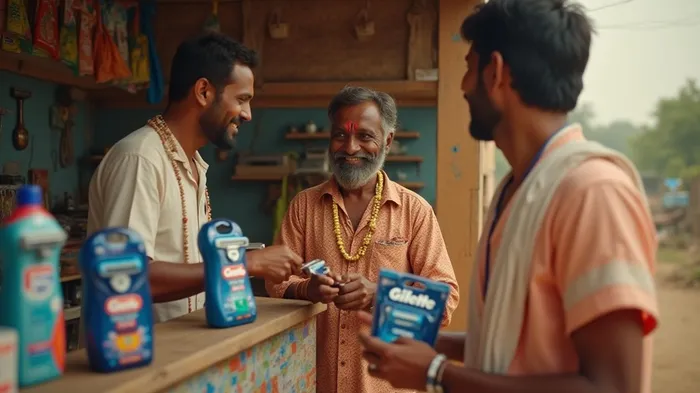
The contrast is stark. While urban markets contribute less to growth today, Gillette’s focus on rural areas—where disposable income is rising and brand loyalty remains untapped—offers a scalable path forward. The grooming segment’s dominance, fueled by product innovation, suggests that Gillette is not merely defending its turf but expanding it.
The Double-Edged Sword of Advertising: Efficiency or Overreach?
To sustain this momentum, Gillette has sharply increased advertising and promotion expenses by 61% year-on-year. This aggressive spending, which pushed total expenses up 11%, reflects a deliberate strategy to dominate rural mindshare. Yet the question looms: Can these investments yield lasting returns, or are they a costly sprint in a marathon?
A closer look suggests prudence. The grooming segment’s 23% revenue growth outpaces the 17% overall revenue expansion, implying that ad dollars are disproportionately driving high-margin product adoption. The oral care segment’s 5% sales decline, however, raises a red flag—suggesting that not all categories benefit equally from this spending. Investors must scrutinize whether the company can refine its focus, channeling resources into high-ROI areas like grooming while trimming underperforming categories.
The Investment Case: Rural Fortunes and Expense Discipline
Gillette’s Q1 results paint a compelling picture for long-term investors. The rural market’s resilience, combined with the premiumization of shaving products, positions the firm to capitalize on a demographic dividend. India’s 650 million rural consumers, many now transitioning to disposable incomes, present a vast addressable market. Gillette’s product pipeline—targeted at this cohort—could sustain growth even as urban demand remains tepid.
Yet risks persist. The 61% ad spend increase demands vigilance. If rural demand falters or competition intensifies, these costs could erode margins. Management must balance growth with fiscal discipline, ensuring that advertising ROI improves over time. The recent CFO transition—Srividya Srinivasan’s appointment—offers hope of tighter expense controls, given her experience in optimizing global operations at P&G.
Conclusion: A Strategic Bet on Rural India’s Future
Gillette India’s profit surge is more than a quarter of strong numbers; it is a harbinger of a broader trend. Companies that master rural markets—where demand is rising, demographics are young, and competition is fragmented—are poised to outperform in India’s uneven recovery. Gillette’s focus on premium grooming products, paired with its aggressive rural penetration, offers a template for sustainable growth.
For investors, the question is whether the company can convert this momentum into lasting profitability. If Gillette refines its ad spend to prioritize high-impact categories and manages costs prudently, its stock—up 6% post-earnings—could climb further. The firm’s valuation, however, hinges on proving that rural demand is not a temporary spark but a sustained inferno. In an economy where urban stagnation looms, Gillette’s bet on India’s heartlands may just be the smartest move in town.
The path forward is clear: invest in firms that ride rural demand waves while keeping costs anchored. Gillette’s Q1 results are a beacon—follow it, but keep a watchful eye.







Comentarios
Aún no hay comentarios