
Geopolitical Risks in Emerging Markets: The U.S.-Venezuela Energy Confrontation and Its Global Implications
The U.S.-Venezuela relationship in 2025 has become a focal point of geopolitical risk in emerging markets, with profound implications for energy and commodity markets. The Trump administration's escalation of sanctions and tariffs-targeting Venezuela's oil sector and its international trade partners-has created a volatile environment for investors. This analysis explores how these dynamics are reshaping global energy markets, the role of multinational corporations like ChevronCVX--, and the broader lessons for managing geopolitical risk in emerging economies.
The U.S. Sanctions Strategy: A Geopolitical and Economic Tightrope
The U.S. has intensified its pressure on Venezuela through a combination of targeted sanctions and a 25 percent tariff on countries importing Venezuelan oil, either directly or indirectly, according to a Columbia SIPA analysis. These measures aim to cripple the Nicolás Maduro regime's ability to circumvent sanctions while leveraging geopolitical concerns such as migrant repatriation. The strategy reflects a broader shift in U.S. foreign policy, which now prioritizes regime change through economic coercion over diplomatic engagement.
The impact on Venezuela's oil sector is stark. Production had rebounded to 900,000 barrels per day in Q1 2025, partly due to Chevron's operations under prior license terms, the Columbia analysis found. However, the U.S. has forced Chevron to terminate its production and procurement contracts by May 2025, while granting it a restricted license to maintain staff and assets, a Fox Business report said. This conditional extension ensures that taxes and royalties from Chevron's operations fund migrant deportation efforts rather than directly benefit the Maduro administration, according to a Nasdaq article. Such measures highlight the U.S.'s willingness to weaponize corporate assets for geopolitical ends, complicating investment in energy sectors of sanctioned states.
Bilateral Trade and the Paradox of Interdependence
Despite the hostile rhetoric, U.S.-Venezuela trade has surged in 2024–2025. U.S. imports from Venezuela reached $6.31 billion in 2024, while exports to Venezuela totaled $4.23 billion, driven largely by energy products, the Columbia analysis reports. This paradox of interdependence-where economic ties deepen even as political tensions escalate-poses unique risks for investors. For instance, U.S. refiners rely heavily on Venezuela's heavy crude, a resource critical for their operations amid global energy disruptions and OPEC production cuts, the Columbia analysis notes.
The surge in trade underscores a key vulnerability: emerging markets often lack the diversification to withstand sudden shifts in geopolitical policy. Venezuela's easing of import restrictions in 2024 temporarily boosted U.S. agricultural and industrial exports, a trend the Columbia analysis cautioned may be precarious under the current sanctions regime. Investors must weigh the short-term profitability of these trade flows against the long-term instability of operating in a politically contested environment.
Energy Market Implications: A Global Ripple Effect
The U.S.-Venezuela oil conflict has far-reaching consequences for global energy markets. Venezuela's heavy crude, a staple for U.S. refiners, is now at risk of disruption as Chevron's operations wind down, according to a Discovery Alert analysis. This could exacerbate supply chain vulnerabilities, particularly as OPEC's production cuts and global energy transitions create existing shortages. Moreover, the U.S. tariffs on third-party importers of Venezuelan oil may inadvertently drive buyers toward alternative suppliers, such as Russia or Saudi Arabia, further complicating global market dynamics.
Investment Lessons for Emerging Markets
The U.S.-Venezuela confrontation offers critical insights for investors navigating geopolitical risks:
1. Hedge Against Policy Volatility: Sanctions and tariffs can rapidly alter trade flows and corporate valuations. Diversifying supply chains and hedging currency exposure are essential.
2. Assess Corporate Resilience: Multinational firms operating in sanctioned economies must balance compliance with geopolitical objectives. Chevron's restricted license illustrates the fragility of such arrangements.
3. Monitor Geopolitical Leverage Points: Policies like the U.S. migrant repatriation linkage demonstrate how governments can weaponize economic tools to advance political goals. Investors must anticipate such creative uses of sanctions.
Conclusion
The U.S.-Venezuela energy conflict is a microcosm of the broader challenges facing emerging markets in an era of geopolitical rivalry. While the immediate focus is on oil and sanctions, the deeper issue is the erosion of predictable, rules-based economic interactions. For investors, the lesson is clear: geopolitical risk is no longer a peripheral concern but a central determinant of returns. The ability to anticipate and adapt to such volatility will define success in the years ahead.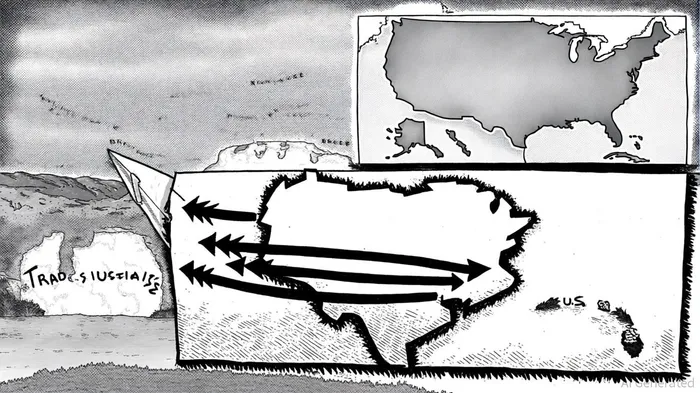







Comentarios
Aún no hay comentarios