
Football Stardom as a Catalyst for Emerging Market Growth: The New Frontier of Global Brand Investments
The global football industry has long been more than a sport-it is a cultural and economic force reshaping markets, particularly in emerging economies. From 2020 to 2025, the football market expanded to USD 3.72 billion, with a projected compound annual growth rate (CAGR) of 2.74% through 2030, according to a Mordor Intelligence report. This growth is not merely a function of the sport's popularity but a result of strategic brand investments driven by the magnetic appeal of football stars. These athletes, as cultural icons and economic assets, have become central to how corporations navigate the complexities of emerging markets.
The Economic Power of Football Stardom
Football stars such as Lionel Messi, Cristiano Ronaldo, and Neymar Jr. are no longer just athletes; they are global brand ambassadors whose influence extends far beyond the pitch. Their personal branding-rooted in authenticity, expertise, and emotional resonance-has become a cornerstone of corporate strategy in emerging markets. For instance, PepsiCo's "Undervalued to Unstoppable" campaign, which highlights women's football, taps into a demographic projected to represent 80% of the sport's global fanbase by 2030, according to a Nielsen report. By aligning with this growing audience, brands secure not only market share but also cultural relevance.
The emotional connection between football stars and consumers is particularly potent in emerging markets. Research underscores, in a consumer perception study, that consumers' perceptions of a sports star's personal brand-dimensions such as attractiveness, expertise, and congruence with brand values-directly influence brand loyalty and purchasing behavior. This dynamic is evident in Nike's "Just Do It" campaigns, which leverage athletes like Ronaldo and Serena Williams to promote inclusivity and empowerment, resonating deeply with Gen Z and millennial audiences in Asia-Pacific and Africa, as described in a Nike case study.
Strategic Collaborations and Market Expansion
Emerging markets, particularly in Asia-Pacific and Africa, have become battlegrounds for global brands seeking to capitalize on football's universal appeal. Nike's dominance in these regions is partly attributable to its strategic partnerships with football academies and local talent development programs. These initiatives not only cultivate future stars but also embed brand loyalty at an early age (see the Nike case study cited above). Similarly, Saudi Arabia's aggressive investments in football-ranging from high-profile player acquisitions to infrastructure development-have transformed the country into a global football hub, attracting both athletes and brands, as noted in a Campaign Asia case study.
Chinese brands have also leveraged football for global expansion. Hisense's partnership with FIFA's Football 4 Schools program in South Africa, which combines football with climate change awareness, exemplifies how brands can align with social causes to build trust in local communities, as the Campaign Asia case study describes. Meanwhile, Oppo's sponsorship of the UEFA Champions League has amplified its international presence, demonstrating the sport's utility as a platform for cross-border brand storytelling.
The Role of Data and Digital Transformation
The rise of digital platforms has further amplified the impact of football stardom. Social media enables brands to engage directly with fans, creating personalized narratives that transcend traditional advertising. For example, Puma's acquisition of Premier League ball supplier rights from Nike for the 2025/26 season was accompanied by targeted digital campaigns that leveraged the charisma of rising stars like Bukayo Saka to drive engagement, a trend the Mordor Intelligence report explores. Such strategies reflect a shift from one-way communication to co-creation, where athletes and brands collaborate to shape consumer experiences.
Challenges and Opportunities
While the potential is vast, brands must navigate challenges such as cultural sensitivity, regulatory complexities, and the risk of over-reliance on individual athletes. For instance, the NFL's "Helmets Off" strategy, which humanizes athletes through personal stories, offers a blueprint for balancing commercial interests with authentic engagement, as discussed in an NFL case study. Similarly, brands must ensure that their investments in football align with broader socio-economic goals, such as grassroots development and gender equality, to avoid accusations of exploitation.
Conclusion
Football stardom is no longer a peripheral factor in global brand strategy-it is a linchpin of economic growth in emerging markets. By aligning with athletes who embody cultural values and leveraging the sport's unifying power, brands can achieve both commercial success and long-term equity. As the football market continues to expand, the interplay between stardom, brand investments, and economic development will remain a defining feature of the 21st-century global economy.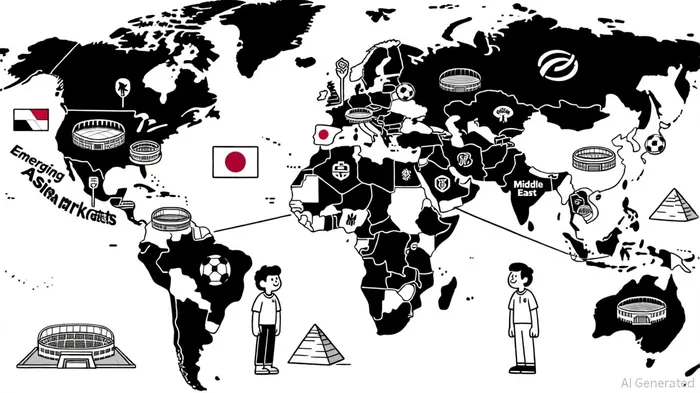





Comentarios
Aún no hay comentarios