
Finding Resilience in Japanese Equities: Contrarian Plays Amid Copper Tariff Turbulence
The U.S. decision to impose a 50% tariff on copper imports, effective by early August 2025, has reignited fears of trade volatility and inflation-driven disruptions. While industries reliant on copper—such as automotive and construction—brace for higher costs, contrarian investors should focus on Japanese sectors insulated from these pressures: consumer staples and tech hardware. These domestic-focused segments, bolstered by structural reforms, yen weakness, and historical resilience to trade shocks, present compelling opportunities to buy on dips.
Consumer Staples: The Anchor of Stability
Japan's consumer staples sector has long been a haven for investors during global turbulence. Despite the copper tariff's ripple effects—such as higher input costs for electronics—this sector's inelastic demand and diversified supply chains shield it from direct harm.
Historically, Japanese staples firms weathered the U.S.-China trade war (2018–2020) by shifting production to Southeast Asia and Vietnam, reducing reliance on China. Today, this agility is evident in Aeon (AEOMY), a leading food retailer, which reported 3.2% gains in recent weeks as consumers prioritize essentials amid uncertainty.
Valuation and Growth:
The sector trades at a 3-year average P/E of 21.5x, with analysts forecasting 11% annual earnings growth through 2027. While short-term volatility persists, staples firms like Asahi Breweries (2502.T) and Kao Corporation (4073.T) benefit from a weak yen (¥110/USD), which enhances repatriated profits.
Tech Hardware: Navigating Tariffs with Strategic Flexibility
Japanese tech hardware firms, particularly in semiconductors and EV components, have long anticipated trade wars. The copper tariffs may even accelerate their existing restructuring efforts, positioning them as winners in a fragmented supply chain world.
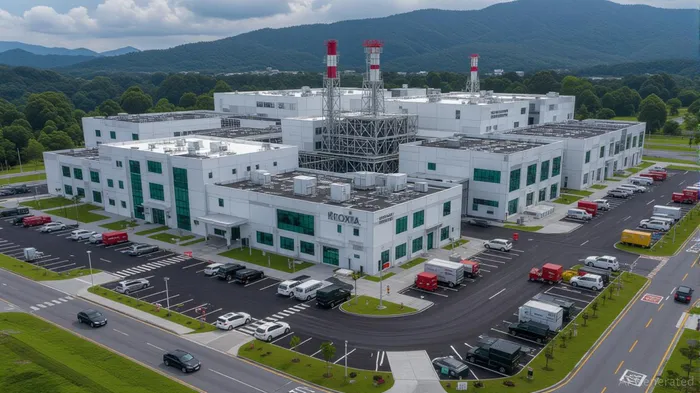
- Kioxia Holdings (9684.T): A $3B NAND flash plant in Malaysia is circumventing U.S. tariffs on Chinese-made chips, while its EV battery tech gains favor with automakers.
- Renesas Electronics (6723.T): Vietnam-based semiconductor production shields it from copper-linked inflation, while its automotive chip dominance secures long-term demand.
Structural Tailwinds:
The Bank of Japan's ultra-loose monetary policy (-0.1% rates) and yen weakness provide a stealth subsidy, boosting exporters' margins by 3–5%. Analysts project Kioxia and Renesas to deliver 15–20% EPS growth in 2025, outpacing global peers.
Contrarian Strategy: Buy the Dip, Play the Long Game
The copper tariffs are likely to trigger a short-term selloff in Japanese equities, particularly in export-heavy sectors. This creates an entry point for investors to accumulate stakes in staples and tech hardware, which are structurally positioned to outperform.
- Stock Picks:
- Aeon (AEOMY): Stable cash flows and exposure to essential goods.
- Kioxia (9684.T): EV battery and NAND demand, with a 30% upside potential.
Renesas (6723.T): Automotive semiconductor leader with a 25% undervaluation.
ETF Plays:
- iShares MSCI Japan ETF (EWJ): Broad exposure with yen-hedged benefits.
- WisdomTree Japan Hedged Equity Fund (DXJ): Mitigates currency risk while capturing growth.
Risks and Mitigation
While geopolitical risks and labor shortages in Southeast Asia pose headwinds, Japanese firms' proactive supply chain diversification and the yen's weak trajectory mitigate these concerns. Even if U.S.-Japan trade talks fail to secure copper tariff exemptions, the domestic focus and global cost advantages of staples and tech hardware firms ensure their resilience.
Conclusion
Amid the noise of trade wars and inflation, Japan's consumer staples and tech hardware sectors offer a contrarian edge. Their historical adaptability, structural tailwinds, and undervalued positions make them ideal buys on dips. For investors willing to look past short-term volatility, these equities could deliver outsized returns in 2025 and beyond.
Investment advice: Use tariff-driven selloffs to gradually accumulate positions in Aeon, Kioxia, and EWJ. Maintain a 6–12-month horizon to capture post-tariff stabilization and yen-driven gains.







Comentarios
Aún no hay comentarios