
Dollar Dips, Stocks Creep Higher as Second Trump Term Dawns
Generado por agente de IATheodore Quinn
lunes, 20 de enero de 2025, 5:13 am ET1 min de lectura
UVV--
As the dust settles on the 2024 U.S. presidential election, markets are digesting the implications of Donald Trump's overwhelming victory. The initial surge in stocks following the election has given way to a more measured rise, with investors cautiously optimistic about the potential impact of Trump's policies on the economy and markets. Meanwhile, the U.S. dollar has dipped, reflecting a shift in investor sentiment and expectations for the coming years.
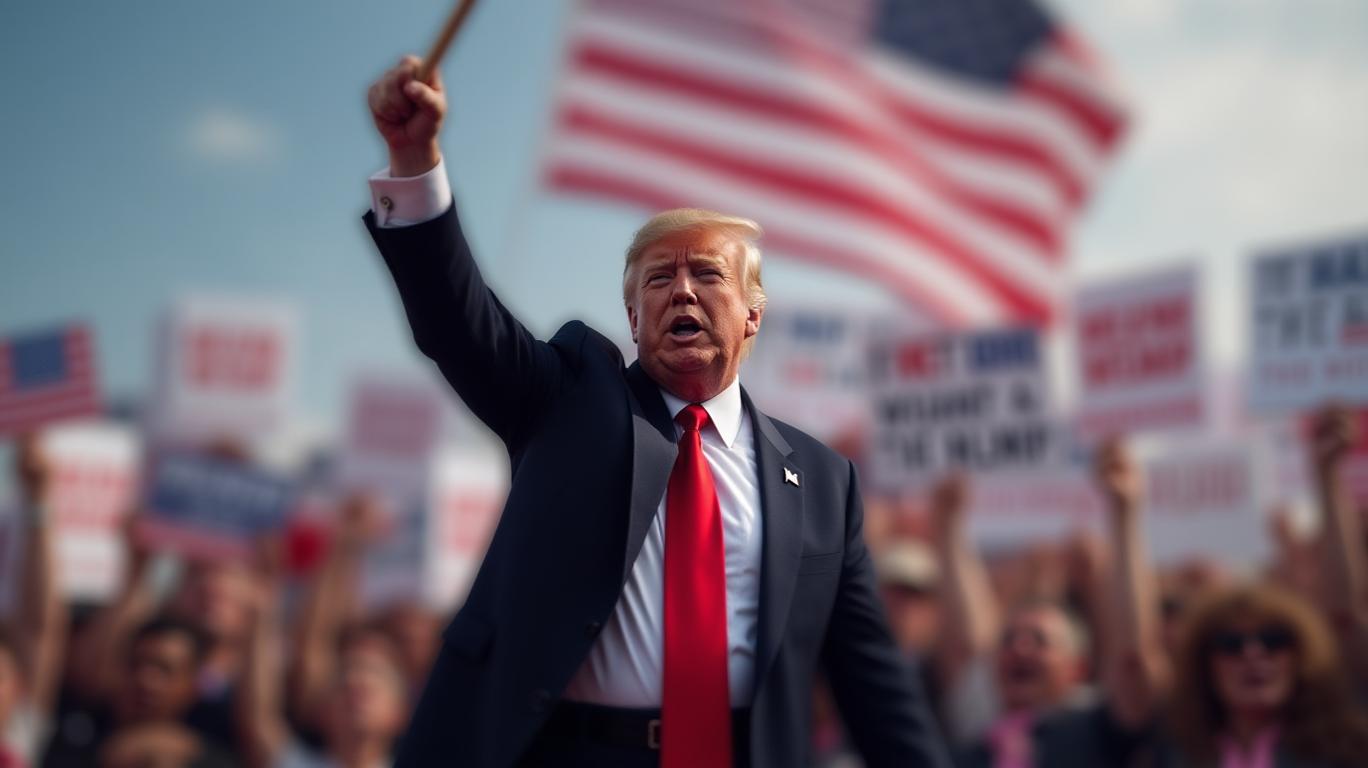
Trump's return to office is expected to bring a mix of policy changes, including economic strategies that promise to shape market dynamics, regulatory frameworks, and international trade. The energy sector, in particular, is anticipated to benefit from anticipated regulatory shifts, while industries like chemicals may experience more moderate reactions. However, the broader market response to Trump's victory has been complex and varied, with small-cap equities experiencing the most notable positive abnormal returns.
As the market digests the election results, investors are grappling with the potential implications of Trump's policies on the economy and markets. While some sectors, such as energy, may benefit from deregulation and anticipated regulatory shifts, others, like clean energy and electric vehicles, could face increased risks under Trump's policies. Additionally, the potential impact of Trump's proposed tariffs on Chinese goods and a universal 10% tariff could have mixed effects on corporate earnings and stock performance, depending on the specific industries affected.
Investors should consider the balance of headwinds and tailwinds from expected policies and how companies are likely to adapt. Higher interest rates could weigh on the valuation of longer duration growth equities, while inflationary pressures from increased labor and input costs may be an additional headwind to profit margins. However, the maintenance and potential decrease of taxes and deregulation may boost corporate investment and consumer spending, which would be a tailwind to equity returns.

As the market continues to evolve in the wake of Trump's victory, investors should stay focused on their long-term investment strategies and financial goals. While the short-term market reaction to the election has been volatile, the long-term impact of Trump's policies on the economy and markets remains to be seen. By staying informed and adaptable, investors can navigate the complex and varied market responses to significant political developments and make strategic decisions that align with their investment objectives.
As the dust settles on the 2024 U.S. presidential election, markets are digesting the implications of Donald Trump's overwhelming victory. The initial surge in stocks following the election has given way to a more measured rise, with investors cautiously optimistic about the potential impact of Trump's policies on the economy and markets. Meanwhile, the U.S. dollar has dipped, reflecting a shift in investor sentiment and expectations for the coming years.
Trump's return to office is expected to bring a mix of policy changes, including economic strategies that promise to shape market dynamics, regulatory frameworks, and international trade. The energy sector, in particular, is anticipated to benefit from anticipated regulatory shifts, while industries like chemicals may experience more moderate reactions. However, the broader market response to Trump's victory has been complex and varied, with small-cap equities experiencing the most notable positive abnormal returns.
As the market digests the election results, investors are grappling with the potential implications of Trump's policies on the economy and markets. While some sectors, such as energy, may benefit from deregulation and anticipated regulatory shifts, others, like clean energy and electric vehicles, could face increased risks under Trump's policies. Additionally, the potential impact of Trump's proposed tariffs on Chinese goods and a universal 10% tariff could have mixed effects on corporate earnings and stock performance, depending on the specific industries affected.
Investors should consider the balance of headwinds and tailwinds from expected policies and how companies are likely to adapt. Higher interest rates could weigh on the valuation of longer duration growth equities, while inflationary pressures from increased labor and input costs may be an additional headwind to profit margins. However, the maintenance and potential decrease of taxes and deregulation may boost corporate investment and consumer spending, which would be a tailwind to equity returns.
As the market continues to evolve in the wake of Trump's victory, investors should stay focused on their long-term investment strategies and financial goals. While the short-term market reaction to the election has been volatile, the long-term impact of Trump's policies on the economy and markets remains to be seen. By staying informed and adaptable, investors can navigate the complex and varied market responses to significant political developments and make strategic decisions that align with their investment objectives.

Divulgación editorial y transparencia de la IA: Ainvest News utiliza tecnología avanzada de Modelos de Lenguaje Largo (LLM) para sintetizar y analizar datos de mercado en tiempo real. Para garantizar los más altos estándares de integridad, cada artículo se somete a un riguroso proceso de verificación con participación humana.
Mientras la IA asiste en el procesamiento de datos y la redacción inicial, un miembro editorial profesional de Ainvest revisa, verifica y aprueba de forma independiente todo el contenido para garantizar su precisión y cumplimiento con los estándares editoriales de Ainvest Fintech Inc. Esta supervisión humana está diseñada para mitigar las alucinaciones de la IA y garantizar el contexto financiero.
Advertencia sobre inversiones: Este contenido se proporciona únicamente con fines informativos y no constituye asesoramiento profesional de inversión, legal o financiero. Los mercados conllevan riesgos inherentes. Se recomienda a los usuarios que realicen una investigación independiente o consulten a un asesor financiero certificado antes de tomar cualquier decisión. Ainvest Fintech Inc. se exime de toda responsabilidad por las acciones tomadas con base en esta información. ¿Encontró un error? Reportar un problema


SOBRE NOSOTROS
Nuestra historiaAutores de noticiasBase de conocimientosPolítica de privacidadTérmino de usoDescargo de responsabilidad de corretaje de tercerosTérminos de uso de AIMEDivulgaciones de riesgos de AInvest AICarrerasCONTÁCTENOS
Email: support@ainvest.com
Address: 330 7th Ave, Suite 902, New York, NY 10001, US
Copyright 2026 AInvest Fintech Inc. All rights reserved.


Comentarios
Aún no hay comentarios