
Crypto-Stealing Malware in SourceForge: A Cautionary Tale for Cybersecurity Investors

In early 2025, cybersecurity firm Kaspersky uncovered a sophisticated crypto-stealing malware campaign targeting users through SourceForge, a widely trusted platform for software distribution. The attack, disguised as a legitimate MicrosoftMSFT-- Office add-in, exploited users’ trust in SourceForge and pirated software seekers, infecting over 4,604 victims—90% of whom were located in Russia. This incident underscores a critical inflection point for investors: the escalating sophistication of cyber threats and the urgent demand for robust cybersecurity solutions.
The Attack: A Masterclass in Deception
The malware, distributed via a fake SourceForge project mimicking a genuine GitHub-based tool, lured users with a ZIP file named “vinstaller.zip.” Embedded within were evasive tactics: a bloated 700MB MSI installer (padded with null bytes to bypass antivirus scans), a Visual Basic script to avoid virtual environments, and persistence mechanisms that created registry keys and Windows services to ensure longevity. The payload included a cryptocurrency miner and Kape.dll, a ClipBanker that hijacked clipboard data to redirect crypto transactions to attacker-controlled wallets.
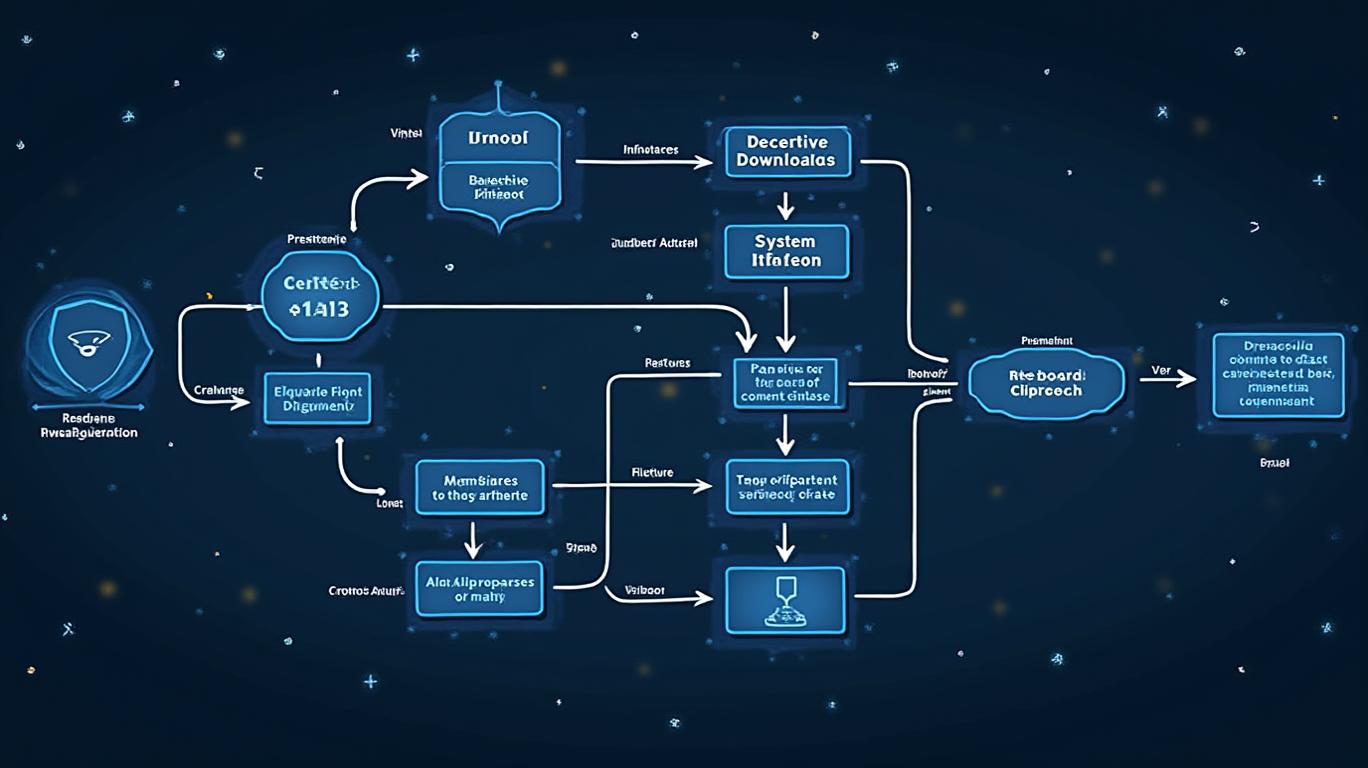
The malware also communicated with a Telegram API to exfiltrate user data, enabling remote command execution. Kaspersky noted this dual-purpose design: not only stealing crypto but also selling compromised systems to other malicious actors.
Investor Implications: The Cybersecurity Surge
This attack is not an isolated incident. The $1.63 billion in Q1 2025 crypto thefts—driven by exploits like the Bybit hack—signals a structural shift in cybercrime toward crypto assets. For investors, this presents both risks and opportunities:
1. Cybersecurity Stocks: A Defensive Play
The incident reinforces the need for advanced threat detection and endpoint security. Companies offering AI-driven solutions (e.g., CrowdStrike (CRWD), Palo Alto Networks (PANW)), endpoint detection and response (EDR) tools, and crypto-specific security (e.g., Chainalysis, CipherTrace) are poised to benefit.
2. Platform Liability and Trust Erosion
SourceForge’s swift removal of the malicious project and new safeguards (blocking external file links) mitigate immediate risks, but the damage to trust persists. Investors in software distribution platforms must scrutinize their cybersecurity protocols. For instance, Autodesk (ADSK), SourceForge’s parent company, could face scrutiny over platform governance, though its broader portfolio may insulate it.
3. Crypto Security: A New Frontier
The attack’s focus on clipboard hijacking—a tactic that exploits human error—highlights vulnerabilities in crypto transactions. Investors should monitor firms offering secure wallets, transaction verification tools, and blockchain analytics. The $3.7 trillion crypto market’s growth hinges on investor confidence, which hinges on robust security measures.
Conclusion: A New Era of Cyber Risk Management
The SourceForge malware campaign is a stark reminder that cyber threats are evolving faster than defenses. With 90% of victims concentrated in Russia, the attack may signal state-backed or regionally targeted operations, amplifying geopolitical risks. Kaspersky’s findings also reveal attackers’ ingenuity: leveraging trusted platforms, evading detection through file padding, and deploying multi-stage persistence.
For investors, the path forward is clear:
- Prioritize cybersecurity leaders with AI/ML capabilities to counter sophisticated threats.
- Advocate for regulatory frameworks mandating stricter oversight of software distribution platforms.
- Support crypto security innovators addressing vulnerabilities in transaction workflows.
The $173 billion global cybersecurity market, projected to grow at a CAGR of 10.5% through 2030, is no longer optional—it is existential. As this incident demonstrates, the cost of inaction is measured in billions. Investors who align with resilient cybersecurity ecosystems will position themselves to thrive in an increasingly digital—and dangerous—world.






Comentarios
Aún no hay comentarios