
Corn and Soymeal Tenders: South Korea's Strategic Shift Fuels Commodity Opportunities
The recent tender results from South Korea's Feed Leaders Committee (FLC) and Nonghyup Feed Inc. (NOFI) for corn and soymeal have revealed a profound shift in global agricultural trade dynamics. These tenders, with their specific shipment windows and regional sourcing preferences, underscore a strategic pivot toward South American and African suppliers—a move driven by logistical efficiency, cost advantages, and geopolitical alignment. For investors, this presents a compelling opportunity to capitalize on rising demand for feed ingredients, while navigating risks tied to weather and supply chain bottlenecks.
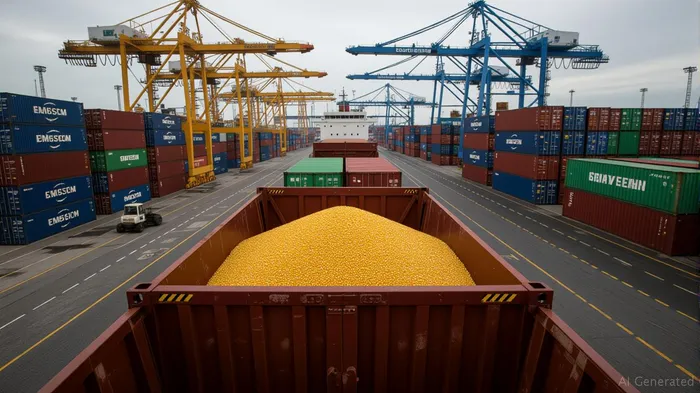
The Tenders: A Strategic Pivot in Sourcing
The FLC's tender for 52,000–69,000 metric tons of corn and NOFI's 60,000-metric-ton soymeal tender reflect South Korea's urgency to secure feed supplies for its livestock industry, which accounts for 80% of the nation's corn imports. Key observations include:
- Shipment Windows: South American corn must arrive by October 5, 2025, with flexibility of ±5 days. South African shipments (August 7–September 5) and U.S. Gulf Coast corn (July 28–August 26) also align with this deadline.
- Regional Preferences: South Korea is favoring South America and Africa over the U.S. or Russia, driven by shorter transit times (e.g., Brazil to South Korea in 20 days vs. 35 days from the U.S. Gulf) and freight cost savings of 8–12%.
- Geopolitical Influence: The MFG's $235/MT CFR price ceiling excludes Russian corn, aligning with Western sanctions.
These tenders highlight a broader recalibration of global supply chains, as Asian buyers prioritize reliability over tradition.
Supply Chain Dynamics: Why South America and Africa?
The shift to South America and Africa is not merely a cost play but a response to systemic inefficiencies in U.S. logistics. Consider the following:
- U.S. Bottlenecks: Panama Canal delays (averaging 13 days in 2025) and congestion at Gulf ports have made U.S. corn less competitive.
- South American Efficiency: Brazilian ports like Santos and Paranaguá offer faster transits, while Argentine exporters like Achával-Faena benefit from proximity to Asian markets.
- African Rising: South Africa's Vulcan Grain and ports like Durban are emerging as alternatives to traditional suppliers, leveraging shorter sea routes.
Price Trends and Market Drivers
Falling U.S. corn futures—near eight-month lows due to bumper crop forecasts—might seem bearish, but they mask a deeper story. South Korea's demand, coupled with logistical hurdles in the U.S., has created a price floor. Analysts project stabilization above $230/MT by late 2025, as Asian feed demand grows to 6.6 million MT by 2026. For soymeal, NOFI's tender (sourcing from South America, the U.S., or China) highlights the interplay between protein feed needs and regional supply reliability.
Weather and Crop Risks: A Double-Edged Sword
Investors must weigh two critical risks:
1. El Niño Threat: South American harvests, critical for Q3/Q4 deliveries, could suffer from droughts linked to El Niño, tightening supply and boosting prices.
2. Black Sea Re-Entry: A potential easing of sanctions on Russian/Ukrainian grain could flood markets, depressing prices—a risk for long positions.
Investment Implications and Opportunities
The FLC and NOFI tenders present three actionable opportunities:
1. Long Positions in Corn and Soymeal Futures: Target contracts expiring in October 2025 (e.g., CBOT corn futures) to profit from tight deadlines and logistical bottlenecks. Monitor for correlation signals.
2. South American Agribusiness Stocks: Investors should consider companies like Brazil's Amaggi (AMBV3.SA) or Argentina's BungeBG-- (BG.N), which dominate regional exports.
3. Short U.S. Corn Futures: The Panama Canal bottleneck and delayed U.S. harvests may keep U.S. corn at a pricing disadvantage, making shorts in ZC=F viable.
Conclusion
South Korea's procurement strategies reveal a global agricultural trade landscape in flux. The October 2025 deadlines and regional sourcing preferences create a clear catalyst for investors to position in corn and soymeal futures. While risks like El Niño and Black Sea re-entry loom, the structural advantages of South American and African supplies—coupled with Asia's insatiable feed demand—make this shift a lasting opportunity. For traders, the time to act is now, as the clock ticks toward October's critical delivery window.





Comentarios
Aún no hay comentarios