
Contrarian Play in Biotech: Insmed's Valuation Disconnect and Insider Signals
The biotechnology sector has long been a realm of extremes—where breakthroughs promise outsized rewards, yet regulatory setbacks and pricing pressures can crush valuations overnight. Nowhere is this duality clearer than in the case of Insmed Inc (NASDAQ: INSM), where a stark disconnect between intrinsic value and market price has emerged. Amid a wave of insider selling and a GuruFocus valuation suggesting overvaluation, Insmed presents a compelling contrarian opportunity—for those willing to bet on its pipeline outperforming current skepticism.
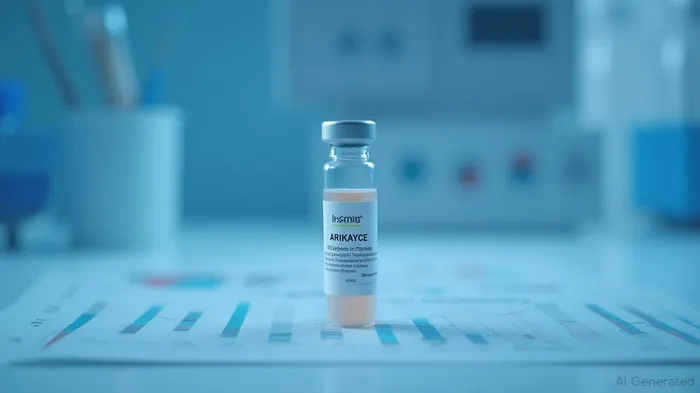
The Valuation Gap: GF Value at $29.13 vs. $69.65 Market Price
Insmed's stock trades at nearly 2.4 times its GuruFocus intrinsic value, a metric derived from historical multiples (P/E, P/S, P/FCF) and adjusted for future growth estimates. At $69.65, the market capitalization stands at $13.3 billion, yet GuruFocus assigns a real value of $63.11 per share, still below the current price. This gap widens when considering its negative free cash flow and a net loss of $749.57 million in the trailing twelve months.
Insider Activity: A Flood of Selling, One Buy
The recent $451,000 sale by Michael Smith, Insmed's Chief Legal Officer—who reduced his holdings by 171,423 shares over the past year—adds to a troubling pattern. Over the last 12 months, 50 insiders sold shares, while only one bought, signaling a lack of confidence among those closest to the company. Notably, CEO William Lewis has sold over $26.9 million of his holdings since 2023. Such activity typically foreshadows near-term volatility, as institutional investors (who own 99% of shares) may follow suit.
The Contrarian Case: Short-Term Pain, Long-Term Gain?
The data paints a grim picture: Insmed's price-to-sales ratio of 39.35 and negative return on equity (-14.53%) suggest the market is pricing in future success that current fundamentals do not justify. However, the company's pipeline offers a countervailing narrative.
- ARIKAYCE: Approved for NTM lung disease, this therapy targets a niche but growing market.
- Brensocatib: In Phase 3 trials for bronchiectasis, a chronic lung condition affecting millions globally.
- Treprostinil Palmitil Inhalation Powder: A Phase 2 candidate for pulmonary hypertension, a life-threatening condition with limited treatment options.
Analyst forecasts, while muted, hint at potential. For instance, consensus estimates for 2026 revenues stand at $560 million, up from $390 million in 2024. If these therapies gain regulatory approval and secure commercial traction, Insmed's valuation could normalize—or even expand.
The Tipping Point: When Overvaluation Becomes Opportunity
The contrarian calculus hinges on timing. The current disconnect between price and fundamentals may amplify volatility, creating a buying opportunity during a pullback. Consider the following catalysts:
- Clinical Milestones: Positive Phase 3 results for Brensocatib (expected by late 2025) or Treprostinil could reinvigorate investor sentiment.
- Partnerships: A potential collaboration with a larger pharma firm could unlock value via licensing fees or commercial expertise.
- Valuation Compression: If the stock corrects to near GuruFocus's $29.13 estimate—triggered by insider selling or institutional减持—the risk-reward shifts decisively in favor of longs.
Risks and Traps
The case is not without pitfalls. A failed trial, regulatory delay, or pricing backlash (common in biotech) could exacerbate the downturn. Additionally, the 6-month price index of 1.01 suggests only modest momentum, leaving the stock vulnerable to broader market selloffs.
Final Analysis: Act Now, but Be Patient
Insmed's valuation gap and insider activity mark it as a contrarian candidate for selective investors. The stock's overvaluation today could be tomorrow's entry point if the pipeline delivers. Act now by establishing a small position, using stop-losses to mitigate downside. Monitor closely for catalysts—then scale in aggressively.
In biotech, as in life, the greatest rewards often lie where fear and doubt reign. Insmed's current state is a textbook contrarian scenario.
Call to Action: Consider a 5% allocation to Insmed, with a stop-loss at $60. Let the volatility play out—then seize the rebound.
Disclaimer: This analysis is for informational purposes. Always conduct due diligence and consult a financial advisor before making investment decisions.







Comentarios
Aún no hay comentarios