
Where Will Constellation Brands Be in Three Years? Navigating Tariffs and Transforming Portfolios
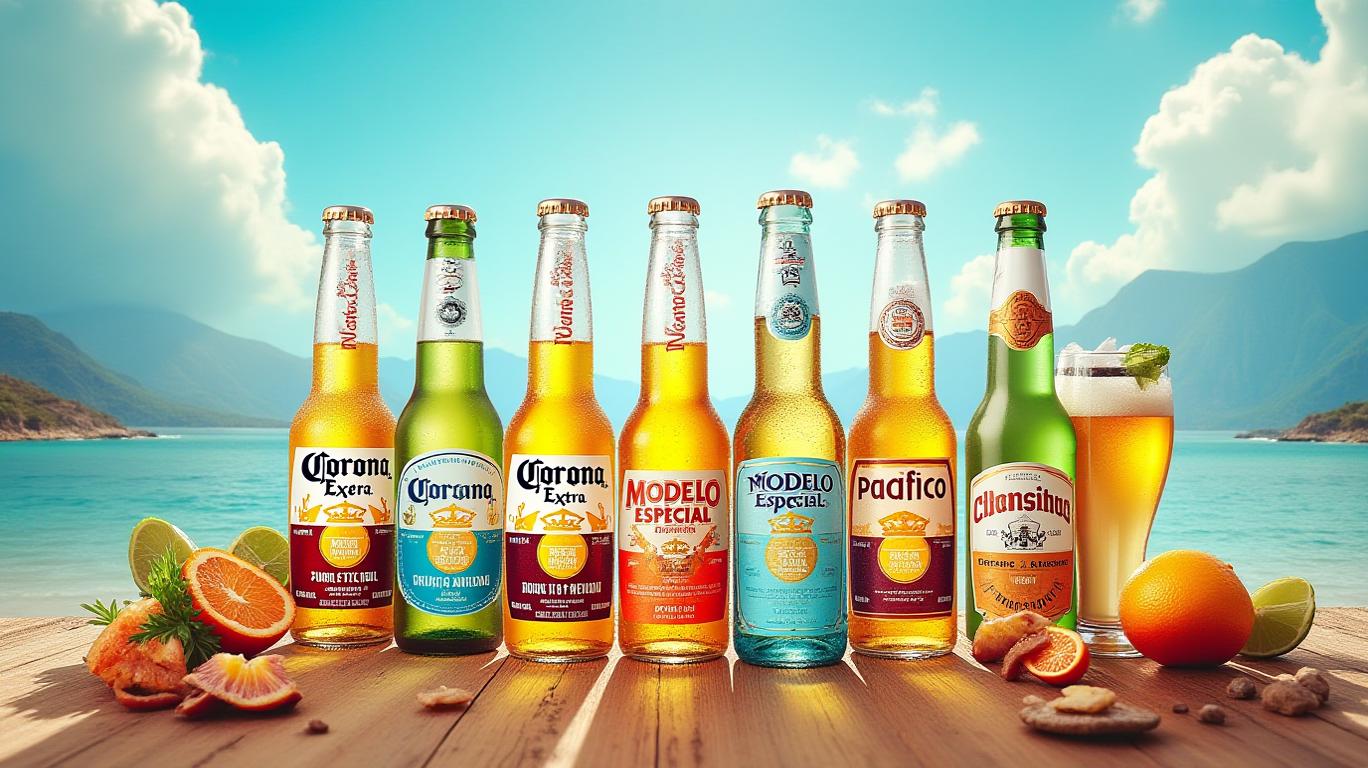
Constellation Brands (NYSE: STZ), the producer of iconic beer brands like Corona, Modelo, and Pacifico, faces a pivotal three-year journey marked by tariffs, shifting consumer behaviors, and strategic reconfigurations. As the company pivots toward premiumization and cost discipline, investors must assess whether its initiatives can offset near-term headwinds and deliver sustainable growth.
The Current Crossroads: Fiscal 2025 and Beyond
Constellation’s fiscal 2025 ended on a cautiously optimistic note, with Q4 adjusted EPS of $2.63 exceeding expectations amid $2.16 billion in revenue. However, the outlook for fiscal 2026–2028 reveals stark challenges. A 25% U.S. tariff on imported canned beer and aluminum cans, effective April 2025, has cast a shadow over profitability. This tariff, targeting Mexico-based operations, threatens the company’s beer segment, which accounts for 78% of sales.
The stock has underperformed the broader market since the tariffs’ announcement, reflecting investor skepticism about the company’s ability to navigate these costs. Management’s response? A dual-track strategy of cost-cutting and portfolio repositioning.
Strategic Adjustments: Cost Discipline and Premium Focus
Wine Division Restructuring:
Constellation is divesting mainstream wine brands (e.g., Woodbridge, Meiomi) to The Wine Group, retaining premium labels like Robert Mondavi and The Prisoner. This move aims to free up $200 million in annualized cost savings by fiscal 2028, redirecting resources toward high-margin segments.Beer Business Resilience:
Despite flat-to-3% sales growth in fiscal 2026, management targets 39%–40% operating margins by 2028 through:- Modular production expansions in Mexico (e.g., a third brewery in Veracruz) to limit depreciation.
- Pricing discipline (1%–2% annual hikes).
Distribution gains, including a +10% share-of-space in recent retail resets.
Capital Allocation Priorities:
With net leverage at 3x, the company plans a $4 billion share repurchase program over three years and maintains a 30% dividend payout ratio, signaling confidence in its undervalued stock.
Risks and Uncertainties
- Tariff Exposure: While compliance with USMCA avoids punitive beer tariffs, aluminum duties and Canadian wine tariffs remain unresolved. The company has hedged 70% of peso exposure for fiscal 2026 but faces currency volatility risks.
- Consumer Sentiment: Hispanic consumers, who account for ~50% of beer sales, remain cautious due to inflation and immigration concerns. Sustained weakness could delay recovery.
- Category Decline: The broader beer market is projected to shrink by 0%–2% annually, requiring relentless execution to outperform.
The Three-Year Outlook: A Fragile Path to Resilience
By fiscal 2028, Constellation’s success hinges on three factors:
1. Tariff Mitigation: If U.S. aluminum tariffs are reduced or phased out, the company could regain margin flexibility.
2. Premium Growth: A focus on ultra-premium brands (e.g., Casa Noble tequila, High West whiskey) could offset declining mainstream wine sales.
3. Operational Efficiency: Achieving the $200 million cost savings target is critical to sustaining margins despite volume headwinds.
Conclusion: A Story of Survival, Not Dominance
Constellation’s three-year trajectory is likely to be resilient but unexceptional. While its $9 billion cumulative operating cash flow target (2026–2028) underscores financial discipline, growth will remain constrained by tariffs and a declining beer category. The stock’s valuation—currently trading at ~14x fiscal 2026 EPS—appears reasonable if management executes its restructuring, but upside hinges on macroeconomic stabilization.
Investors should weigh two key metrics:
1. Beer Volume Growth: A return to 2%–4% annual expansion by 2028 would signal success in navigating tariffs and consumer sentiment.
2. Margin Stability: Maintaining 39%–40% beer margins would validate modular production and cost-saving strategies.
In short, Constellation is betting on agility over ambition. Its future is less about soaring returns and more about proving it can endure—and thrive—amid a storm of its own making.
Data as of April 2025. Forecasts subject to regulatory, macroeconomic, and operational risks.





Comentarios
Aún no hay comentarios