
Chinese Banks Cut Dollar Deposit Rates Amid PBOC Call
Generado por agente de IAEdwin Foster
viernes, 28 de febrero de 2025, 4:47 am ET2 min de lectura
FISI--
Chinese banks have responded to a directive from the People's Bank of China (PBOC) to cut interest rates on U.S. dollar deposits, according to sources familiar with the matter. This move aligns with the central bank's broader monetary policy framework, aiming to create a sound financialSFBC-- environment for economic recovery. The reduction in deposit rates is expected to have both short-term and long-term impacts on banks' net interest margins and profitability.
In the short term, lower deposit rates mean banks pay less to attract deposits, reducing their funding costs. For instance, a manager at a Bank of China branch in Shanghai mentioned that the one-year dollar deposit rate dropped from 5% to 4.3% for deposits above $50,000, and 2.8% for those under $50,000 (Source: Global Times, August 20, 2024). This reduction in funding costs can help improve banks' profitability and their ability to serve the real economy.
However, in the long run, reduced deposit rates could lead to a decline in net interest margins if banks are unable to pass on the full extent of the rate cuts to their lending rates. This is because banks may face regulatory constraints or competition from other financial institutionsFISI--, which could erode their profitability over time. For example, in 2015, significant policy rate cuts resulted in a 60 basis point narrowing of net interest margins for commercial banks (Source: China Finance 40 Forum, August 20, 2024).
The deposit rate cuts by Chinese banks also have potential consequences for the flow of funds into the capital market and the broader economy. Lower deposit rates may encourage market entities to invest more in the capital market, as the returns on deposits become less attractive compared to other investment options. This can boost the flow of funds into the capital market and the real estate sector, which can contribute to the benign circulation of the economy. Additionally, lower deposit rates may encourage market entities to invest more in consumption, further stimulating aggregate demand and supporting economic recovery. However, these moves also pose risks to the banking system, as they have historically eroded net interest margins for commercial banks in China. This trend raises questions about the sustainability of the banking system, which relies on the differential between what banks earn from loans and what they pay on deposits (Zhang Bin, China Finance 40 Forum). Policymakers must navigate this delicate balance to ensure the stability of the financial sector while supporting economic growth.
The PBOC's efforts to manage capital flows and stabilize the yuan through interest rate adjustments aim to balance the need for economic growth with the risks of capital outflows and currency depreciation. By reducing the attractiveness of dollar deposits, the PBOC seeks to discourage further growth in dollar holdings and encourage the conversion of dollars into yuan. This policy reflects broader efforts to stabilize the yuan and manage capital flows amid global economic uncertainties.
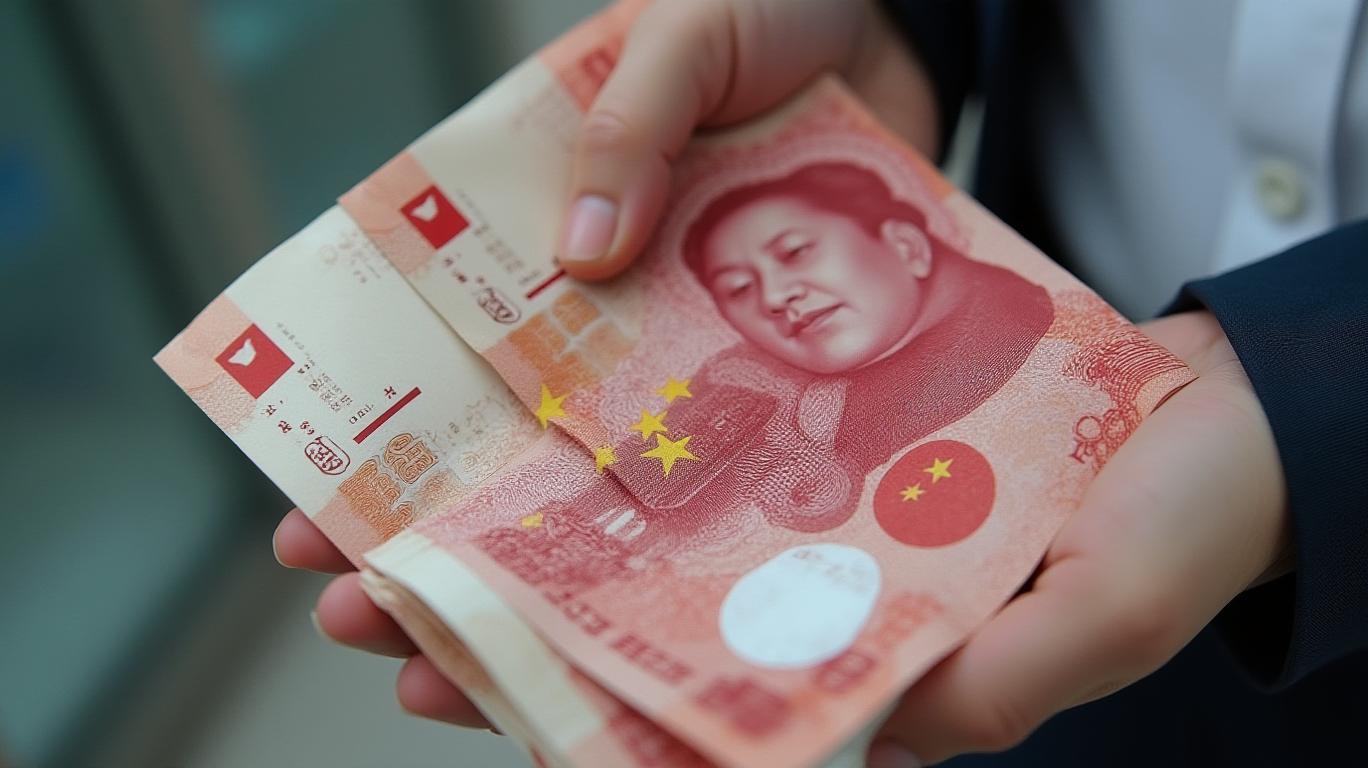
In conclusion, the decision by Chinese banks to cut dollar deposit rates aligns with the PBOC's broader monetary policy framework and its commitment to creating a sound financial environment for economic recovery. While this move has potential short-term benefits for banks' net interest margins and profitability, there are also long-term risks and broader economic implications that policymakers must consider. By encouraging investment in the capital market and consumption, deposit rate cuts can support economic recovery. However, these moves also pose risks to the banking system, and policymakers must ensure the stability of the financial sector while supporting economic growth.
SFBC--
Chinese banks have responded to a directive from the People's Bank of China (PBOC) to cut interest rates on U.S. dollar deposits, according to sources familiar with the matter. This move aligns with the central bank's broader monetary policy framework, aiming to create a sound financialSFBC-- environment for economic recovery. The reduction in deposit rates is expected to have both short-term and long-term impacts on banks' net interest margins and profitability.
In the short term, lower deposit rates mean banks pay less to attract deposits, reducing their funding costs. For instance, a manager at a Bank of China branch in Shanghai mentioned that the one-year dollar deposit rate dropped from 5% to 4.3% for deposits above $50,000, and 2.8% for those under $50,000 (Source: Global Times, August 20, 2024). This reduction in funding costs can help improve banks' profitability and their ability to serve the real economy.
However, in the long run, reduced deposit rates could lead to a decline in net interest margins if banks are unable to pass on the full extent of the rate cuts to their lending rates. This is because banks may face regulatory constraints or competition from other financial institutionsFISI--, which could erode their profitability over time. For example, in 2015, significant policy rate cuts resulted in a 60 basis point narrowing of net interest margins for commercial banks (Source: China Finance 40 Forum, August 20, 2024).
The deposit rate cuts by Chinese banks also have potential consequences for the flow of funds into the capital market and the broader economy. Lower deposit rates may encourage market entities to invest more in the capital market, as the returns on deposits become less attractive compared to other investment options. This can boost the flow of funds into the capital market and the real estate sector, which can contribute to the benign circulation of the economy. Additionally, lower deposit rates may encourage market entities to invest more in consumption, further stimulating aggregate demand and supporting economic recovery. However, these moves also pose risks to the banking system, as they have historically eroded net interest margins for commercial banks in China. This trend raises questions about the sustainability of the banking system, which relies on the differential between what banks earn from loans and what they pay on deposits (Zhang Bin, China Finance 40 Forum). Policymakers must navigate this delicate balance to ensure the stability of the financial sector while supporting economic growth.
The PBOC's efforts to manage capital flows and stabilize the yuan through interest rate adjustments aim to balance the need for economic growth with the risks of capital outflows and currency depreciation. By reducing the attractiveness of dollar deposits, the PBOC seeks to discourage further growth in dollar holdings and encourage the conversion of dollars into yuan. This policy reflects broader efforts to stabilize the yuan and manage capital flows amid global economic uncertainties.
In conclusion, the decision by Chinese banks to cut dollar deposit rates aligns with the PBOC's broader monetary policy framework and its commitment to creating a sound financial environment for economic recovery. While this move has potential short-term benefits for banks' net interest margins and profitability, there are also long-term risks and broader economic implications that policymakers must consider. By encouraging investment in the capital market and consumption, deposit rate cuts can support economic recovery. However, these moves also pose risks to the banking system, and policymakers must ensure the stability of the financial sector while supporting economic growth.

Divulgación editorial y transparencia de la IA: Ainvest News utiliza tecnología avanzada de Modelos de Lenguaje Largo (LLM) para sintetizar y analizar datos de mercado en tiempo real. Para garantizar los más altos estándares de integridad, cada artículo se somete a un riguroso proceso de verificación con participación humana.
Mientras la IA asiste en el procesamiento de datos y la redacción inicial, un miembro editorial profesional de Ainvest revisa, verifica y aprueba de forma independiente todo el contenido para garantizar su precisión y cumplimiento con los estándares editoriales de Ainvest Fintech Inc. Esta supervisión humana está diseñada para mitigar las alucinaciones de la IA y garantizar el contexto financiero.
Advertencia sobre inversiones: Este contenido se proporciona únicamente con fines informativos y no constituye asesoramiento profesional de inversión, legal o financiero. Los mercados conllevan riesgos inherentes. Se recomienda a los usuarios que realicen una investigación independiente o consulten a un asesor financiero certificado antes de tomar cualquier decisión. Ainvest Fintech Inc. se exime de toda responsabilidad por las acciones tomadas con base en esta información. ¿Encontró un error? Reportar un problema


SOBRE NOSOTROS
Nuestra historiaAutores de noticiasBase de conocimientosPolítica de privacidadTérmino de usoDescargo de responsabilidad de corretaje de tercerosTérminos de uso de AIMEDivulgaciones de riesgos de AInvest AICarrerasCONTÁCTENOS
Email: support@ainvest.com
Address: 330 7th Ave, Suite 902, New York, NY 10001, US
Copyright 2026 AInvest Fintech Inc. All rights reserved.


Comentarios
Aún no hay comentarios