
US-China Rare Earth Truce: A Fragile Breakthrough for Supply Chains, But Risks Linger
The U.S.-China rare earth trade truce, finalized in June 2025, marks a pivotal—if temporary—detente in one of the most contentious chapters of the two nations' economic rivalry. By easing immediate bottlenecks in rare earth exports, the agreement offers critical relief to industries reliant on these materials, particularly electric vehicle (EV) manufacturers and semiconductor firms. Yet the exclusion of military-grade materials and unresolved tariff disputes underscore the fragility of this truce. Investors must navigate these dual realities: a short-term respite for civilian supply chains, but enduring risks for sectors exposed to geopolitical leverage and unresolved trade barriers.
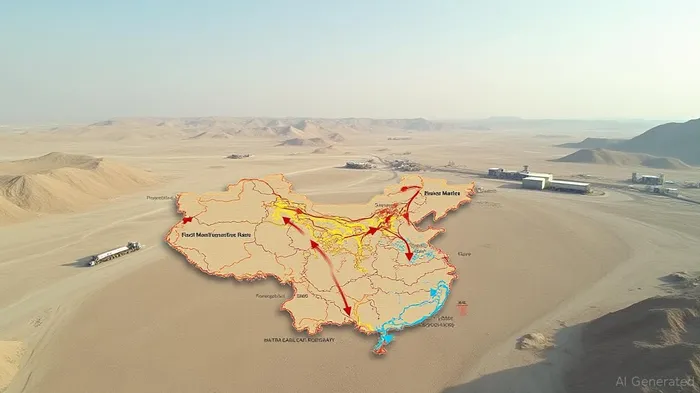
Immediate Relief: EVs and Semiconductors Benefit
The truce's most tangible impact is the resumption of rare earth exports to the U.S., addressing shortages that have plagued industries dependent on these elements for magnets, batteries, and advanced materials. For EV manufacturers like TeslaTSLA--, this is a lifeline. reveal sharp dips in 2024 amid rare earth supply disruptions, which now may stabilize. Companies with manufacturing bases in Asia, such as ToyotaTM-- and General MotorsGM--, also gain breathing room as their Chinese suppliers regain access to critical inputs.
The semiconductor sector, too, benefits as the U.S. lifts export controls on design software and components previously blocked under earlier sanctions. This alignment of policy and supply chain needs could accelerate innovation in advanced chip fabrication, a sector where rare earth-derived materials are indispensable.
The Exclusion Clause: Military Materials Remain Off-Limits
The truce's Achilles' heel lies in its exclusion of military-grade rare earth applications. China continues to bar exports of materials used in defense technologies, such as neodymium for precision-guided weapons or samarium for radar systems. This bifurcation of the rare earth market creates a stark divide: civilian industries gain stability, while defense contractors—like Lockheed MartinLMT-- or Boeing's defense division—remain in limbo.
Investors in defense equities must tread carefully. Until Beijing relaxes restrictions on military materials, U.S. defense firms may face persistent shortages, forcing costly substitutions or delays in production. A would likely highlight this divergence.
Geopolitical Leverage: A Temporary Truce, Not a Peace
The truce is less a resolution than a tactical pause. China retains its dominance as the world's largest rare earth producer, while the U.S. seeks to diversify supply chains through partnerships in Australia, Africa, and domestic recycling initiatives. This dynamic ensures rare earths remain a tool of geopolitical leverage.
For instance, China's conditional export approvals—dependent on “legal conditions” it defines—allow it to recalibrate access during disputes. Meanwhile, the U.S. may use its revived semiconductor exports to pressure Beijing on other fronts, such as Taiwan's tech sector or human rights concerns. The truce's fragility is further exposed by unresolved tariff issues: while some U.S. countermeasures are lifted, others linger, and China's retaliatory tariffs on U.S. agricultural exports remain in place.
Investment Strategy: Prioritize Diversification, Avoid Overexposure to Defense
The truce creates two clear investment paths:
1. Companies with Diversified Sourcing: Firms that have secured rare earth supplies from non-Chinese sources—such as Molycorp (MCP), a U.S.-based rare earth producer, or Australia's Lynas Corporation (LYC)—are well-positioned. Recycling firms like American Molybdenum, which extracts rare earths from discarded electronics, also gain value as circular economies expand.
2. Supply Chain Normalization Winners: EV and semiconductor firms, such as Tesla and ASML (ASML), benefit from reduced volatility. Investors should monitor their stock performance relative to rare earth price indices to gauge supply resilience.
Conversely, defense contractors and sectors tied to military rare earth applications should be approached with caution. Until the truce expands to include dual-use materials, these equities remain vulnerable to sudden policy shifts or new sanctions.
Conclusion
The rare earth truce is a tactical win for global supply chains but a strategic stalemate in the U.S.-China rivalry. Investors must balance near-term opportunities in EVs and semiconductors with the risk of renewed tensions over military materials and unresolved trade disputes. Success lies in favoring firms with diversified supply chains and avoiding overexposure to industries still held hostage by geopolitical brinkmanship. The rare earth market remains a microcosm of a broader truth: in an era of fractured globalization, resilience requires both pragmatism and preparedness for reversal.





Comentarios
Aún no hay comentarios