
Central Banks Signal Room for Further Reserve Requirement Ratio Cuts Amid Global Growth Concerns
The People’s Bank of China (PBoC) recently signaled its readiness to deploy further monetary easing, announcing a 50 basis-point cut to its reserve requirement ratio (RRR) in September 2025—the second such reduction this year—to address sluggish growth. This move, which freed up approximately CNY 1 trillion in new lending capacity, underscores a global trend of central banks leveraging RRR adjustments to stabilize economies. While China’s actions dominate headlines, the Philippines’ earlier cuts in March 2025 highlight a broader playbook of liquidity injections. For investors, these measures offer clues about policy priorities and potential market opportunities.
China’s Aggressive Easing: A Blueprint for Stimulus
The PBoC’s September RRR cut brought the weighted average ratio to 6.6%, marking a significant shift from the 9.5% level recorded in March 2025. The central bank emphasized flexibility for additional cuts in 2025, signaling concern over its 5% GDP growth target amid weak manufacturing and consumption data.
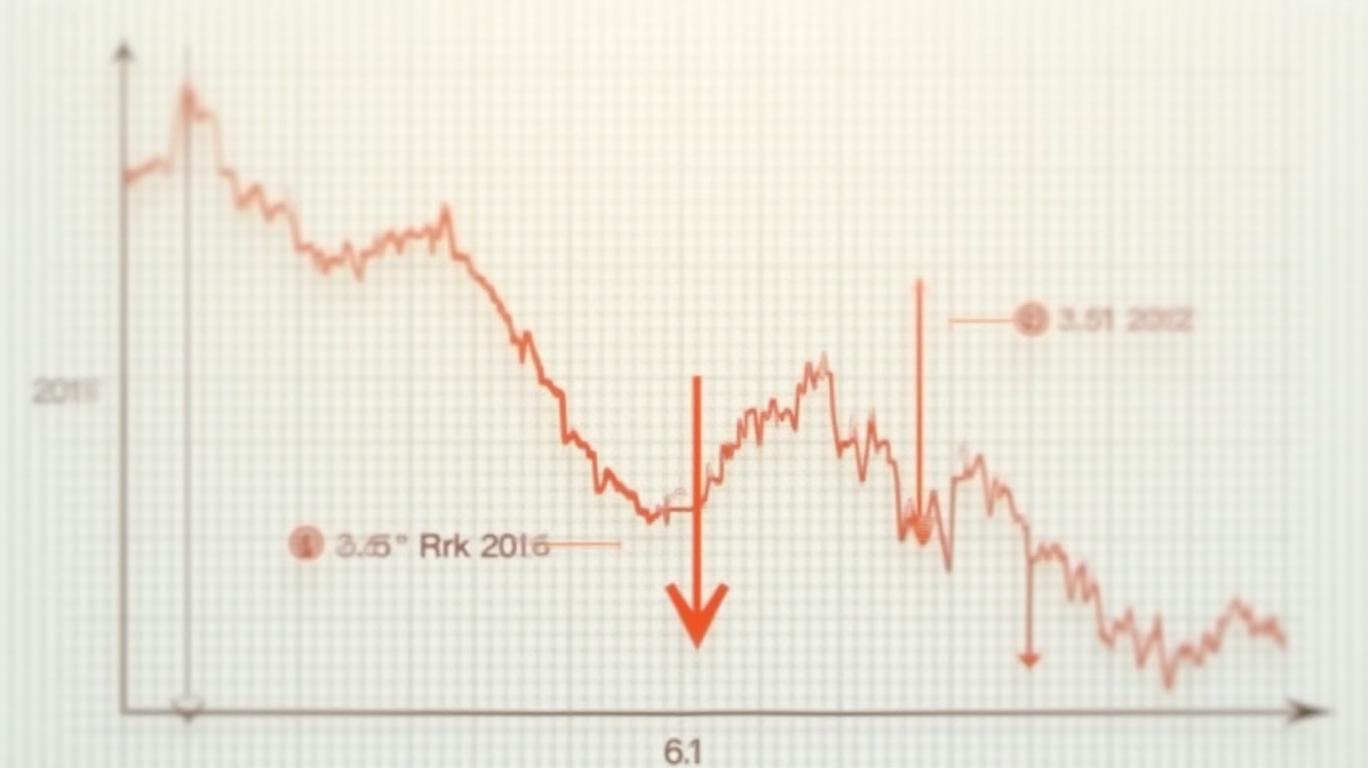
The RRR reduction was paired with a 20 bps cut to the 7-day reverse repo rate, now at 1.5%, and plans to lower mortgage rates by 50 bps. These actions aim to boost lending, particularly in real estate—a sector critical to China’s economy. Governor Pan Gongsheng stressed that the PBoC would also ease down payment requirements for second homes to 15%, further incentivizing housing demand.
Global Context: A Decade of RRR Adjustments
While China’s moves are aggressive, the Philippines’ BSP reduced its RRR for universalUVV-- banks by 200 bps to 5% in March 2025, injecting over PHP 300 billion into the economy. Analysts noted this boosted loan growth to 12.2% year-on-year, a stark contrast to pre-pandemic levels.

Central banks in emerging markets have long used RRR cuts to offset external pressures, such as the U.S. Federal Reserve’s tightening cycles. However, China’s current actions are notable for their scale and alignment with fiscal stimulus, including infrastructure spending and tax breaks.
Implications for Investors
The dual focus on liquidity and lower borrowing costs presents opportunities in:
1. Real Estate: China’s easing of mortgage rates and down payments could stabilize property prices and benefit developers like China Vanke (000002.SZ) and Evergrande’s restructuring efforts.
2. Banks: Institutions such as Industrial and Commercial Bank of China (601398.SS) may see improved net interest margins as lending accelerates.
3. Equities: The Shanghai Composite Index could see support, though volatility may persist amid geopolitical risks.
Risks and Considerations
While RRR cuts are stimulative, they carry risks. In China, excessive credit expansion could reignite debt concerns, while in the Philippines, over-lending might inflate asset bubbles. Additionally, global inflationary pressures may limit the scope for prolonged easing.
Conclusion: A Delicate Balance of Policy and Growth
Central banks’ recent RRR cuts reflect a global acknowledgment of economic fragility. China’s 6.6% RRR and the Philippines’ 5% RRR demonstrate a willingness to prioritize growth over inflation risks, at least temporarily. For investors, this signals a prolonged period of accommodative policy, favoring sectors reliant on cheap capital. However, the effectiveness of these measures hinges on translating liquidity into productive investment—something China’s policymakers must monitor closely. With the PBoC explicitly reserving room for further cuts and the U.S. Fed pausing its rate hikes, markets may see extended tailwinds. Yet, the path to sustainable growth remains fraught with challenges, from debt sustainability to geopolitical headwinds.
The numbers tell the story: a 50 bps RRR cut freeing CNY 1 trillion in China, mortgage rates set to drop by 50 bps, and loan growth in the Philippines surging to 12.2%. These are not just policy tools—they’re survival mechanisms in a world where growth is hard to come by.







Comentarios
Aún no hay comentarios