
Is Brinker International (EAT) a Buy After Strong Earnings and Analyst Upgrades?
A Surge in Performance and Analyst Optimism
Brinker International's Q3 2025 results were nothing short of impressive. Revenue soared to $1.41 billion, a 27% increase from the same period in 2024, driven by a 28.2% rise in comparable restaurant sales. Chili's, its flagship brand, contributed 31.6% growth, while Maggiano's added a modest 0.4% in Brinker's Q3 results. Net income per diluted share jumped from $1.08 to $2.56, reflecting improved operational efficiency and pricing power. Analysts have taken notice: a JPMorgan upgrade to "overweight" with a $175 target price implies a 38.3% upside from its recent closing price. UBS and Piper Sandler also raised their price targets, signaling broad-based optimism.
This momentum is not isolated. The restaurant sector as a whole is rebounding from pandemic-era disruptions, with consumers increasingly prioritizing dining out and casual meals. Brinker's performance aligns with broader trends, such as the shift toward value-driven dining and the resilience of its casual-dining model.
Valuation Metrics: Undervalued or Overhyped?
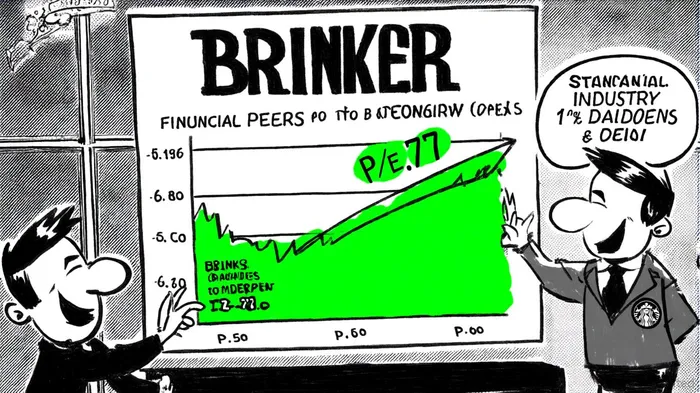
Brinker's valuation appears compelling when compared to peers. As of August 15, 2025, its price-to-earnings (P/E) ratio stood at 17.77, significantly lower than McDonald's (25.92), Starbucks (37.75), and Darden Restaurants (21.69), as shown in Brinker's Q3 release. Analysts estimate a fair value of $176.44, well above its recent closing price of $127.31 Brinker International (EAT): Is the Stock Undervalued After a 34% Total Return This Year?. This suggests the market may not yet be fully pricing in Brinker's growth potential.
However, the company's financial health extends beyond multiples. Its debt repayment of $125 million in Q3 2025 and a non-GAAP restaurant operating margin of 18.9% highlight improved profitability, as detailed in Brinker's Q3 release. Adjusted EBITDA surged to $220.6 million, up from $122.4 million in 2024, underscoring operational strength. Yet, challenges persist. Labor costs remain a headwind, and shifting consumer preferences toward convenience-driven dining could pressure margins.
Industry Context and Growth Projections
The restaurant sector's post-recession trajectory is marked by divergent trends. While casual dining has rebounded, quick-service chains and delivery-focused models are also gaining traction. Brinker's 84.2% year-over-year earnings growth projection, according to the Zacks model reported in a Nasdaq article, positions it as a high-conviction play. The Nasdaq piece also notes an Earnings Surprise Percentage (ESP) of +3.60%, which further indicates consistent outperformance relative to expectations.
Yet, the sector is not without risks. Citi analyst Jon Tower, despite acknowledging Brinker's operational improvements, reaffirmed a "Hold" rating, citing industry-wide softness and uncertainties in consumer demand in a Yahoo Finance report. The stock's 19% decline in the past three months, compared to a 5.8% market return, reflects lingering skepticism.
The Case for Caution
While Brinker's fundamentals are robust, investors must weigh several risks. Labor cost pressures, a persistent challenge in the restaurant industry, could erode margins if wage inflation outpaces revenue growth. Additionally, the rise of delivery platforms and ghost kitchens is reshaping consumer behavior, favoring models that Brinker has yet to fully embrace.
Analysts also highlight reinvestment needs. Brinker's updated guidance for fiscal 2025-revenue of $5.33–5.35 billion and net income per share of $8.50–8.75-suggests disciplined growth, but achieving these targets will require navigating a competitive landscape, as noted in Brinker's Q3 release.
Conclusion: A Buy, But With Nuance
Brinker International's strong earnings, analyst upgrades, and undervaluation relative to peers make it an attractive candidate for investors seeking exposure to the post-recession restaurant sector. Its operational efficiency, margin expansion, and alignment with casual-dining trends provide a solid foundation. However, the stock's recent underperformance and sector-specific risks-such as labor costs and evolving consumer preferences-warrant caution.
For those with a medium-term horizon and a tolerance for volatility, EAT offers a compelling risk-reward profile. The key will be monitoring its ability to sustain margin improvements and adapt to the sector's shifting dynamics. In a world where recovery is uneven and reinvention is essential, Brinker's next moves could determine whether it becomes a long-term winner or a fleeting rebound story.





Comentarios
Aún no hay comentarios