
Bitcoin's Macro Momentum and Strategic Plays in US/HK Equities: Timing the Rally
The cryptocurrency market’s most dominant force, Bitcoin, has surged to become the world’s seventh-largest macro asset, a milestone underscored by its $1.1 trillion market cap and growing institutional adoption. Yet its path to this rank has been anything but smooth: Bitcoin’s price tumbled 11.7% in Q1 2025, marking its worst first-quarter performance since 2011. Meanwhile, U.S. and Hong Kong equities have oscillated between historic rallies and catastrophic sell-offs, driven by tariff wars and geopolitical volatility. This article dissects when to capitalize on Bitcoin’s potential rebound and identifies overlooked opportunities in two of the world’s most dynamic stock markets.
Bitcoin: A Hard Money Hedge in Turbulent Times
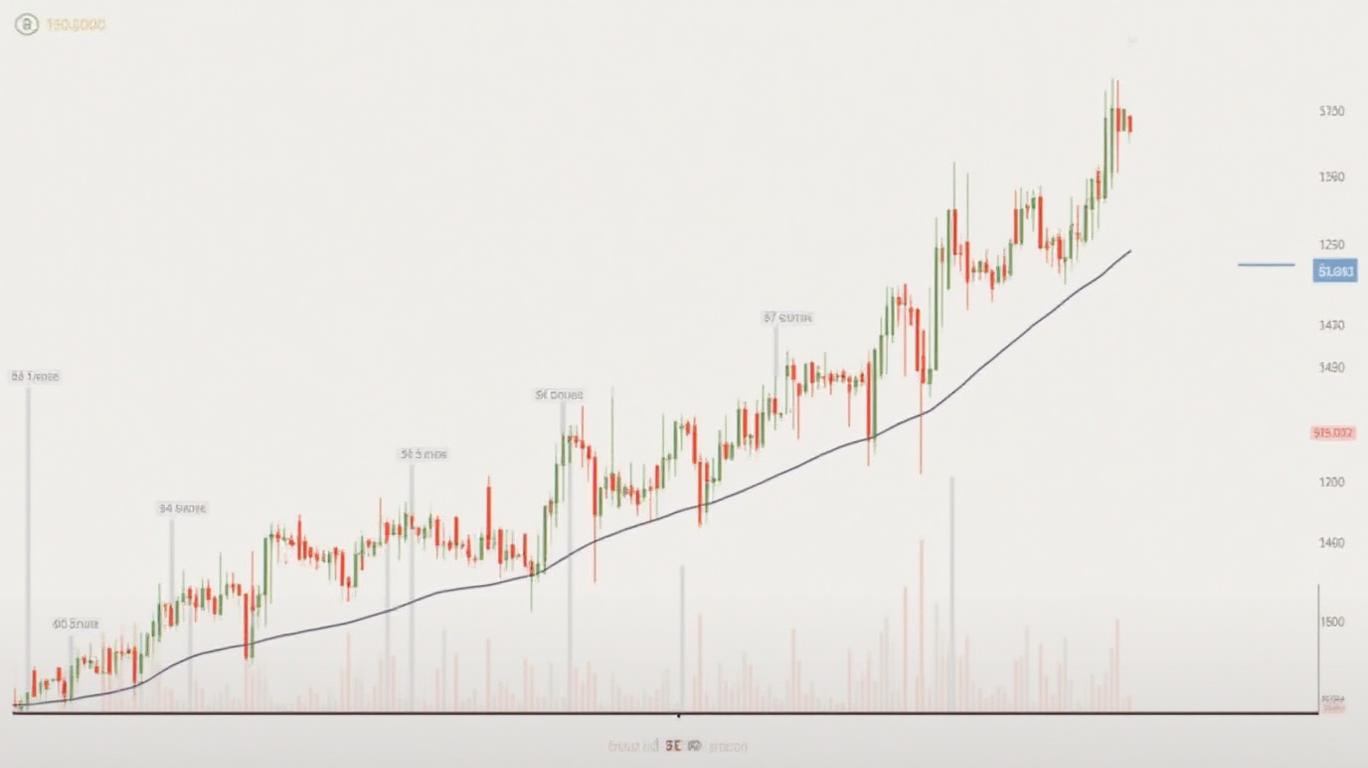
Bitcoin’s Q1 decline—amplified by President Trump’s 125% tariffs on China and geopolitical uncertainty—masked its structural appeal as a “hard money” asset. The cryptocurrency’s correlation with U.S. equities spiked to 0.51, yet its liquidity and 24/7 tradability insulated it from broader market chaos. Analysts at Kaiko note Bitcoin outperformed altcoins by 12% in Q1, driven by superior liquidity and its role as a politically neutral store of value.
Best Time to Buy?
The optimal entry window hinges on technical and macro signals:
- Technical Support: Bitcoin’s proximity to its rising 200-day moving average ($75,000–$80,000) and retest of its November 2024 breakout zone suggest institutional buyers could step in.
- Regulatory Catalysts: The SEC’s pending decision on Grayscale’s GDLC ETF (July 2025) and the anticipated passage of the STABLE Act (August 2025) could unlock $10–$15 billion in institutional inflows.
- Fed Policy: A 100-basis-point rate cut by year-end—priced at 75% probability by CME’s FedWatch—would reduce opportunity costs for speculative assets like Bitcoin.
U.S. Equities: Riding the Tariff Volatility
U.S. stocks have become a rollercoaster of policy-driven volatility. The S&P 500’s 9.5% single-day rally on April 9—the third-largest daily gain since WWII—demonstrated how markets react to tariff pauses. Yet, lingering risks remain:
- Tariff Headwinds: While a 90-day reprieve for most nations eased pressure, China’s 125% tariffs and universalUVV-- 10% duties kept effective rates at 23%, the highest since the 1930s. Morgan Stanley warns this could shave 0.9% off U.S. GDP.
- Sector Opportunities:
- Energy: Resilient demand and geopolitical risks (+13.6% YTD) make names like ExxonMobil and Chevron strategic plays.
- AI & Tech: The S&P Kensho AI index surged 17% in early 2024, with ProShares’ Solana ETF (launching April 2025) signaling broader altcoin access.
- Financials: Rate-sensitive banks like JPMorgan (+12.5% YTD) could thrive if Fed rate cuts materialize.
Hong Kong’s Tech Exodus and Hidden Gems
Hong Kong’s equity market faced a brutal reckoning in Q2 2025. The Hang Seng Index’s 13.2% single-day crash on April 7—the worst since 1997—highlighted its vulnerability to U.S.-China trade wars. Yet, pockets of resilience exist:
- AI-Driven Tech: Tencent’s 90% profit jump via its DeepSeek AI integration and RoboSense’s lidar advancements position them as long-term bets despite near-term volatility.
- Sector Rotation: Defensive plays in financials (HSBC) and infrastructure (China Resources Land) may outperform as Beijing rolls out fiscal stimulus.
- Regulatory Tailwinds: The HKEX’s plan to ease SPAC listing rules could attract tech startups post-hack (e.g., Bybit’s $1.5B breach).
Conclusion: Navigating the Crossroads of Macro and Tech
Bitcoin’s status as the seventh-largest macro asset is no fluke. Its $123,000 price target for late 2025 hinges on regulatory clarity and Fed easing, with the 200-day MA acting as a critical support level. In equities, the U.S. offers tactical plays in energy and AI, while Hong Kong’s tech survivors could rebound if trade tensions ease.
The best time to buy Bitcoin is now—if it holds $75,000—and in U.S. equities, sectors with defensiveness (utilities, healthcare) and innovation (AI) will weather volatility. Hong Kong’s tech sector, though bruised, remains a long-term growth bet tied to China’s digital transformation. Investors must balance these opportunities with caution: tariffs could drag global GDP 2.3% lower, and Bitcoin’s correlation with equities (0.51) reminds us it’s no longer a pure “safe haven.”
As the old adage goes, “Don’t fight the Fed”—but in 2025, don’t ignore the tariff.
This analysis synthesizes technical, macroeconomic, and geopolitical factors to highlight where investors can capture gains in a market defined by uncertainty. The next six months will test both Bitcoin’s macro narrative and the resilience of U.S./HK equities.







Comentarios
Aún no hay comentarios