
Biden's Inflation Problem is Now Trump's: How He's Handling It
Generado por agente de IAEdwin Foster
viernes, 31 de enero de 2025, 5:28 pm ET2 min de lectura
JOE--
As President Joe Biden's term comes to an end, the economic legacy he leaves behind is a complex one, with inflation being a significant challenge that his successor, former President Donald Trump, will have to address. The inflation rate, which peaked at 9.1% in June 2022, has since eased but remains above the Federal Reserve's target of 2%. This article explores the factors contributing to the inflation problem under Biden and how Trump is handling it.
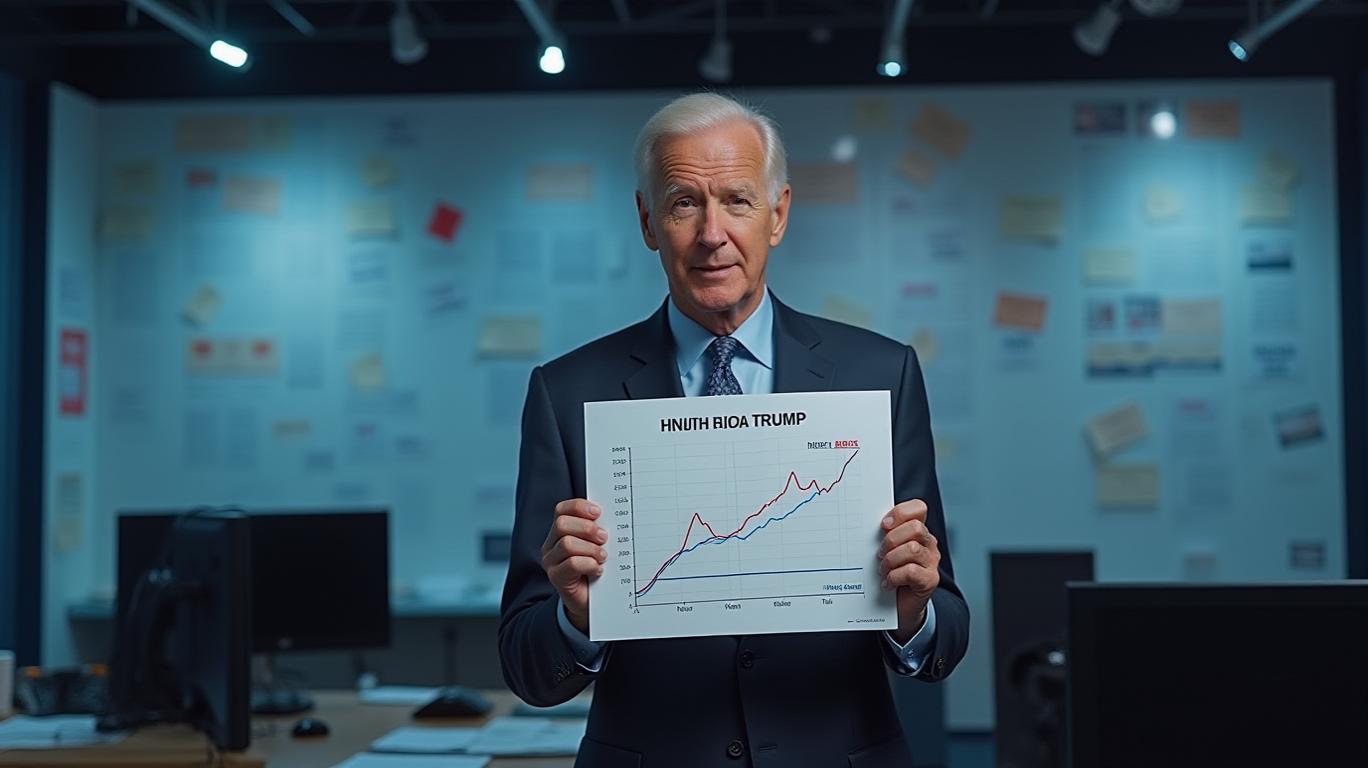
Under Biden, several factors contributed to the inflation surge. The American Rescue Plan (ARP), a $1.9 trillion economic relief package signed into law in March 2021, provided direct payments to most Americans, expanded unemployment benefits, and allocated funds to state and local governments. While the ARP helped mitigate the economic fallout from the COVID-19 pandemic, some economists warned that it could lead to inflation due to its size relative to the economy. Estimates suggest that the ARP contributed between two to four percentage points to the inflation rate, accounting for one quarter to one half of the 8.5% rate in March 2021.
Other factors, such as changes in the labor market, rising global energy and commodity prices, supply chain dysfunction, and the war in Ukraine, also contributed to higher prices. The war in Ukraine, in particular, has had a significant impact on energy and food prices. In response to the inflation surge, the Federal Reserve has implemented a series of interest rate hikes, with the federal funds rate increasing from a range of 0% to 0.25% in March 2020 to a range of 4.5% to 4.75% by December 2022. These policy actions have helped to bring inflation down, with the consumer price index (CPI) increasing by 6% in 2022 and 3.5% in 2023.
As Trump prepares to retake the presidency, he will face a different economic landscape than the one he left in 2021. The inflation problem under Biden has left a lasting impact on the economy, with consumers and businesses still feeling the effects of higher prices. Trump's approach to addressing inflation will likely be influenced by his previous economic policies, which included tax cuts and deregulation. During his presidency, the average year-over-year inflation rate was 2.1%, compared to 4.7% under Biden as of March 2023.
Trump's handling of the inflation problem will be crucial in shaping the economic trajectory of his second term. His ability to work with the Federal Reserve and implement policies that address the root causes of inflation will be essential in restoring economic stability and growth. As the economy continues to evolve, Trump will need to adapt his policies to address the unique challenges and opportunities that arise.
In conclusion, the inflation problem under Biden has left a lasting impact on the economy, with Trump set to inherit a complex economic landscape as he retakes the presidency. Trump's handling of the inflation problem will be crucial in shaping the economic trajectory of his second term, and his ability to work with the Federal Reserve and implement policies that address the root causes of inflation will be essential in restoring economic stability and growth.
As President Joe Biden's term comes to an end, the economic legacy he leaves behind is a complex one, with inflation being a significant challenge that his successor, former President Donald Trump, will have to address. The inflation rate, which peaked at 9.1% in June 2022, has since eased but remains above the Federal Reserve's target of 2%. This article explores the factors contributing to the inflation problem under Biden and how Trump is handling it.
Under Biden, several factors contributed to the inflation surge. The American Rescue Plan (ARP), a $1.9 trillion economic relief package signed into law in March 2021, provided direct payments to most Americans, expanded unemployment benefits, and allocated funds to state and local governments. While the ARP helped mitigate the economic fallout from the COVID-19 pandemic, some economists warned that it could lead to inflation due to its size relative to the economy. Estimates suggest that the ARP contributed between two to four percentage points to the inflation rate, accounting for one quarter to one half of the 8.5% rate in March 2021.
Other factors, such as changes in the labor market, rising global energy and commodity prices, supply chain dysfunction, and the war in Ukraine, also contributed to higher prices. The war in Ukraine, in particular, has had a significant impact on energy and food prices. In response to the inflation surge, the Federal Reserve has implemented a series of interest rate hikes, with the federal funds rate increasing from a range of 0% to 0.25% in March 2020 to a range of 4.5% to 4.75% by December 2022. These policy actions have helped to bring inflation down, with the consumer price index (CPI) increasing by 6% in 2022 and 3.5% in 2023.
As Trump prepares to retake the presidency, he will face a different economic landscape than the one he left in 2021. The inflation problem under Biden has left a lasting impact on the economy, with consumers and businesses still feeling the effects of higher prices. Trump's approach to addressing inflation will likely be influenced by his previous economic policies, which included tax cuts and deregulation. During his presidency, the average year-over-year inflation rate was 2.1%, compared to 4.7% under Biden as of March 2023.
Trump's handling of the inflation problem will be crucial in shaping the economic trajectory of his second term. His ability to work with the Federal Reserve and implement policies that address the root causes of inflation will be essential in restoring economic stability and growth. As the economy continues to evolve, Trump will need to adapt his policies to address the unique challenges and opportunities that arise.
In conclusion, the inflation problem under Biden has left a lasting impact on the economy, with Trump set to inherit a complex economic landscape as he retakes the presidency. Trump's handling of the inflation problem will be crucial in shaping the economic trajectory of his second term, and his ability to work with the Federal Reserve and implement policies that address the root causes of inflation will be essential in restoring economic stability and growth.

Divulgación editorial y transparencia de la IA: Ainvest News utiliza tecnología avanzada de Modelos de Lenguaje Largo (LLM) para sintetizar y analizar datos de mercado en tiempo real. Para garantizar los más altos estándares de integridad, cada artículo se somete a un riguroso proceso de verificación con participación humana.
Mientras la IA asiste en el procesamiento de datos y la redacción inicial, un miembro editorial profesional de Ainvest revisa, verifica y aprueba de forma independiente todo el contenido para garantizar su precisión y cumplimiento con los estándares editoriales de Ainvest Fintech Inc. Esta supervisión humana está diseñada para mitigar las alucinaciones de la IA y garantizar el contexto financiero.
Advertencia sobre inversiones: Este contenido se proporciona únicamente con fines informativos y no constituye asesoramiento profesional de inversión, legal o financiero. Los mercados conllevan riesgos inherentes. Se recomienda a los usuarios que realicen una investigación independiente o consulten a un asesor financiero certificado antes de tomar cualquier decisión. Ainvest Fintech Inc. se exime de toda responsabilidad por las acciones tomadas con base en esta información. ¿Encontró un error? Reportar un problema




Comentarios
Aún no hay comentarios