
Avista's Idaho Rate Settlement: A Steady Hand in Uncertain Times
The recent Idaho rate settlement for Avista CorporationAVA-- (AVA) underscores a critical balancing act for utilities: delivering stable returns to shareholders while ensuring affordability for customers. Approved terms, which temper aggressive initial rate requests, highlight regulatory pragmatism and strategic patience. For investors, this settlement offers a rare combination of regulatory certainty, defensible valuation, and dividend sustainability, positioning Avista as a defensive utility play in an era of macroeconomic volatility.
Regulatory Certainty: Mitigating Litigation Risk
The settlement resolves a prolonged regulatory battle, ending uncertainty over Avista's revenue growth trajectory. Originally seeking a 14.4% electric rate increase in 2025, the company agreed to a 6.3% rise, with further tempered hikes in 2026. This compromise avoids prolonged litigation—a risk that often plagues utility rate cases—and secures over 145,000 electric customers' stability. The 9.6% ROE approved by regulators, while below Avista's requested 10.4%, aligns with median utility sector returns (9.4–9.8%). This middle ground ensures the company's earnings remain predictable without straining customer affordability.
Valuation: A Defensive Utility's Steady Earnings
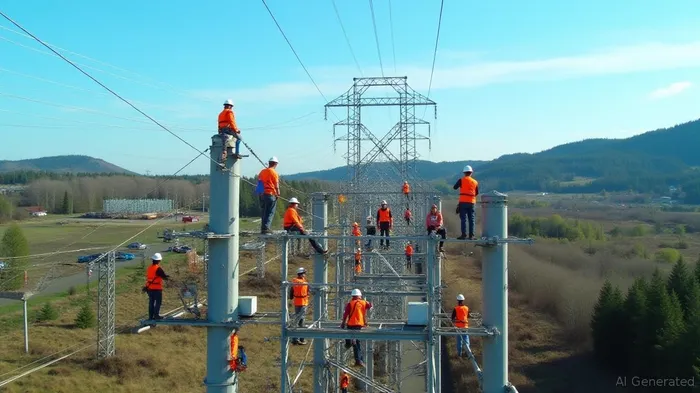
Avista's deferred cost recovery periods are a strategic masterstroke. By stretching out the recovery of capital investments—such as wildfire resiliency upgrades and pole replacements—over longer periods, the settlement smooths cash flows and reduces the risk of customer backlash. This approach also mitigates the need for aggressive rate hikes, preserving growth while avoiding regulatory pushback.
The $19.5M electric revenue boost in 2025 and $14.7M in 2026 reflect a measured path to profitability. While modest compared to Avista's initial asks, these gains align with a utility's core mandate: steady, low-risk cash generation. A would reveal a consistent track record of covering dividends with cash flow, even in subdued growth environments.
Dividend Sustainability: Income Investors Take Note
Avista's dividend yield of 3.2%—above the S&P 500's average—offers income investors a compelling anchor. With the settlement securing predictable revenue streams, the company's dividend appears safe. The 9.6% ROE ensures sufficient retained earnings to fund maintenance and modest growth without straining balance sheets.
Institutional investors are already signaling confidence. Millennium Partners' 531% stake increase in Q1 2025 suggests conviction in Avista's valuation and dividend resilience. While growth may be tempered, the stock's low beta (0.8) and dividend reliability make it a defensive asset in volatile markets.
The Investment Thesis: A Utility for Uncertain Times
Avista's settlement is a reminder that utilities thrive when they prioritize regulatory harmony over short-term gains. Investors seeking stability should note:
- Risk Mitigation: Litigation avoidance and ROE alignment reduce downside.
- Valuation Safety: A Price-to-Book ratio of 1.8x (vs. sector average of 1.9x) suggests fair valuation.
- Dividend Consistency: A 24-year streak of dividend increases underscores management's discipline.
While Avista's growth rate may lag peers chasing renewable megaprojects, its predictable cash flows and customer-friendly terms ensure longevity. For income-focused portfolios, this is a stock to own during macroeconomic slowdowns.
Final Word
Avista's Idaho settlement is a masterclass in regulatory navigation. By accepting tempered rate increases and leveraging deferred cost recovery, the company has secured a low-risk, high-cash-flow profile. With dividend sustainability intact and institutional support growing, AVA is a compelling choice for investors prioritizing safety over speculative growth. In a world of uncertainty, utilities like Avista remain the bedrock of stable returns.





Comentarios
Aún no hay comentarios