
Ant Group's Semiconductor Strategy: A New Frontier in AI Efficiency
Generado por agente de IAEdwin Foster
lunes, 31 de marzo de 2025, 10:24 am ET3 min de lectura
AMD--
In the rapidly evolving landscape of artificial intelligence, the strategic decisions made by tech giants can reshape entire industries. Ant Group, an affiliate of AlibabaBABA--, has recently made headlines by combining U.S. and Chinese semiconductors to enhance the efficiency and cost-effectiveness of AI model training. This move is not just a tactical shift but a strategic maneuver that aligns with broader industry trends and has significant implications for the competitive landscape in the AI sector.
The combination of U.S. and Chinese semiconductors by Ant Group is a response to the increasing complexity and cost of AI model training. By diversifying its semiconductor sources, Ant Group has been able to reduce the time and cost of training AI models. According to a source familiar with the matter, this strategy has resulted in a 20% reduction in computing costs. This cost efficiency is achieved through the use of lower-cost hardware, which is made possible by the Mixture of Experts (MoE) technique. This technique allows models to be trained with much less compute, a significant advantage in the competitive AI landscape.
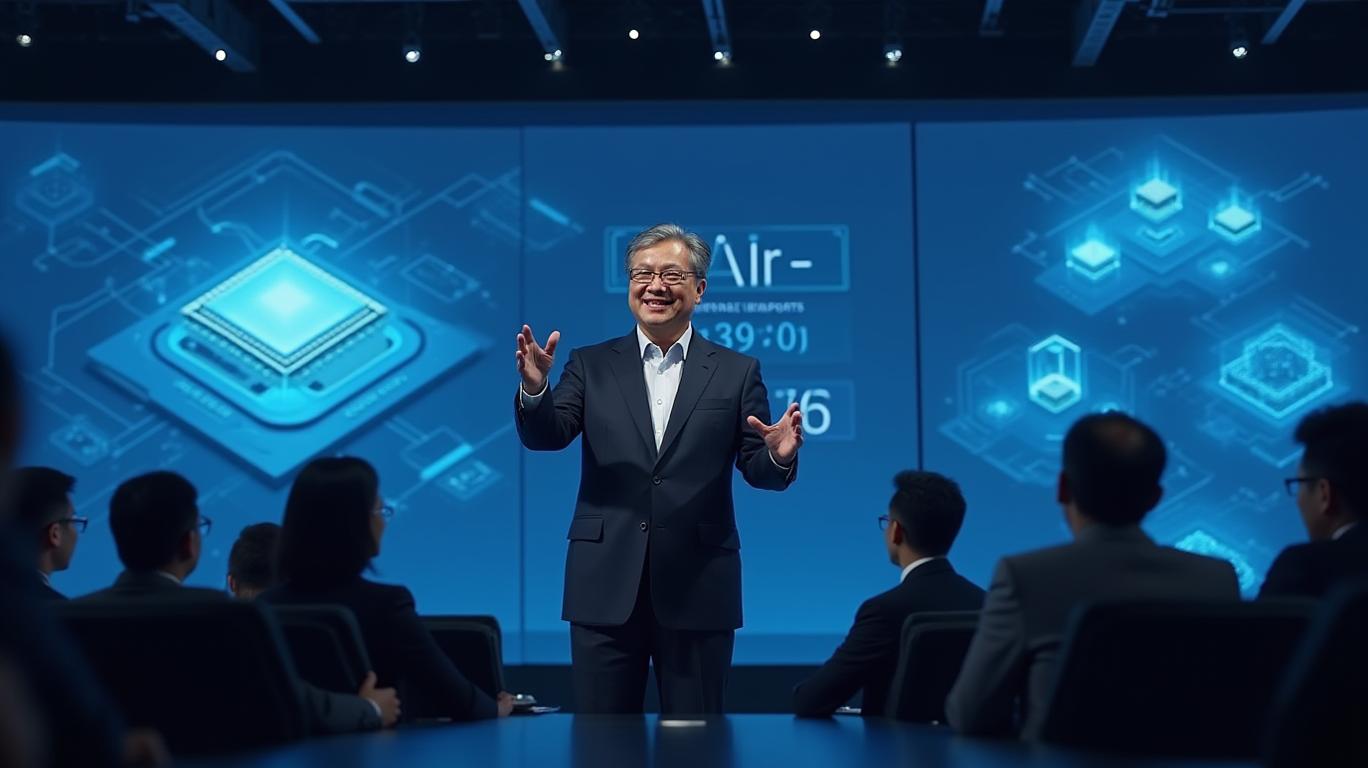
The MoE technique is not just about cost efficiency; it also aligns with the broader industry trend of tapping multiple networks and suppliers. This trend is evident in Ant Group's strategy, as they are using both Chinese and U.S.-made semiconductors for building more efficient AI models. This approach not only reduces the time and cost of training AI models but also limits reliance on a single supplier such as NvidiaNVDA--. This diversification strategy is a clear example of the industry trend towards using multiple suppliers.
The potential long-term benefits of this strategy include enhanced flexibility and resilience in the supply chain. By diversifying its semiconductor sources, Ant Group can mitigate the risks associated with geopolitical tensions and regulatory changes. This diversification allows the company to continue innovating and developing AI models despite external constraints. For instance, Ant Group has used chips from Alibaba and Huawei for training AI models, in addition to Nvidia chips, and now relies more on alternatives from Advanced Micro DevicesAMD-- (AMD) and Chinese chips. This multi-supplier approach aligns with the industry trend of tapping multiple networks, known as the mixture of experts technique, which allows models to be trained with much less compute.
However, there are also potential risks. The U.S. has sought to restrict China's AI development by limiting access to the most advanced semiconductors used for training models. While Nvidia can still sell its lower-end chips to China, the lack of access to high-end chips could hinder the development of more sophisticated AI models. This restriction could slow down the pace of innovation and limit the competitive edge that Ant Group and other Chinese companies might have in the global AI landscape. Additionally, the reliance on Chinese semiconductors, which may not yet match the performance of their U.S. counterparts, could affect the overall quality and efficiency of the AI models being developed.
The use of the MoE technique in AI model training aligns with broader industry trends in several ways, and this approach could significantly influence the competitive landscape in the AI sector. The industry is moving towards tapping multiple networks and suppliers to avoid over-reliance on a single entity. This trend is evident in Ant Group's strategy, as they are using both Chinese and U.S.-made semiconductors for building more efficient AI models. This approach not only reduces the time and cost of training AI models but also limits reliance on a single supplier such as Nvidia.
There is a growing emphasis on cost efficiency in AI model training. The MoE technique allows models to be trained with much less compute, which is a significant advantage in the competitive AI landscape. Ant Group has reported that they were able to use lower-cost hardware to effectively train their own MoE models, reducing computing costs by 20%. This cost reduction is a direct result of the MoE technique, which aligns with the broader industry trend of seeking cost-effective solutions in AI development.
Innovation is a key driver in the AI sector, and companies that can leverage new techniques and technologies gain a competitive edge. The MoE technique is an innovative approach that allows for more efficient training of AI models. Ant Group's use of the MoE technique has enabled them to build more efficient AI models, which can be applied to various sectors such as healthcare. For instance, Ant Group announced "major upgrades" to its AI solutions for healthcare, which are being used by seven major hospitals and healthcare institutions in Beijing, Shanghai, Hangzhou, and Ningbo. This application of AI in healthcare is a testament to the competitive advantage that Ant Group has gained through the use of the MoE technique.
There is a growing emphasis on regulatory compliance and national security in the AI sector, particularly in the context of geopolitical tensions. The use of multiple suppliers and the MoE technique can help companies comply with regulatory requirements and reduce dependence on foreign technology. The U.S. has sought to restrict China's AI development by limiting Chinese businesses' access to the most advanced semiconductors used for training models. Nvidia can still sell its lower-end chips to China, but this restriction has forced companies like Ant Group to explore alternative solutions. By using a mixture of experts and diversifying their chip suppliers, Ant Group can comply with regulatory requirements and reduce their dependence on foreign technology, thereby enhancing national security.
In conclusion, Ant Group's use of the MoE technique in AI model training aligns with broader industry trends towards reduced reliance on single suppliers, cost efficiency, innovation, and regulatory compliance. This approach could significantly influence the competitive landscape in the AI sector by enabling companies to build more efficient and cost-effective AI models, gain a competitive edge through innovation, and comply with regulatory requirements. The strategic decisions made by Ant Group in combining U.S. and Chinese semiconductors are a testament to their forward-thinking approach and their commitment to staying at the forefront of AI development. As the AI landscape continues to evolve, it will be interesting to see how other companies respond to these trends and how the competitive dynamics in the sector unfold.
BABA--
NVDA--
In the rapidly evolving landscape of artificial intelligence, the strategic decisions made by tech giants can reshape entire industries. Ant Group, an affiliate of AlibabaBABA--, has recently made headlines by combining U.S. and Chinese semiconductors to enhance the efficiency and cost-effectiveness of AI model training. This move is not just a tactical shift but a strategic maneuver that aligns with broader industry trends and has significant implications for the competitive landscape in the AI sector.
The combination of U.S. and Chinese semiconductors by Ant Group is a response to the increasing complexity and cost of AI model training. By diversifying its semiconductor sources, Ant Group has been able to reduce the time and cost of training AI models. According to a source familiar with the matter, this strategy has resulted in a 20% reduction in computing costs. This cost efficiency is achieved through the use of lower-cost hardware, which is made possible by the Mixture of Experts (MoE) technique. This technique allows models to be trained with much less compute, a significant advantage in the competitive AI landscape.
The MoE technique is not just about cost efficiency; it also aligns with the broader industry trend of tapping multiple networks and suppliers. This trend is evident in Ant Group's strategy, as they are using both Chinese and U.S.-made semiconductors for building more efficient AI models. This approach not only reduces the time and cost of training AI models but also limits reliance on a single supplier such as NvidiaNVDA--. This diversification strategy is a clear example of the industry trend towards using multiple suppliers.
The potential long-term benefits of this strategy include enhanced flexibility and resilience in the supply chain. By diversifying its semiconductor sources, Ant Group can mitigate the risks associated with geopolitical tensions and regulatory changes. This diversification allows the company to continue innovating and developing AI models despite external constraints. For instance, Ant Group has used chips from Alibaba and Huawei for training AI models, in addition to Nvidia chips, and now relies more on alternatives from Advanced Micro DevicesAMD-- (AMD) and Chinese chips. This multi-supplier approach aligns with the industry trend of tapping multiple networks, known as the mixture of experts technique, which allows models to be trained with much less compute.
However, there are also potential risks. The U.S. has sought to restrict China's AI development by limiting access to the most advanced semiconductors used for training models. While Nvidia can still sell its lower-end chips to China, the lack of access to high-end chips could hinder the development of more sophisticated AI models. This restriction could slow down the pace of innovation and limit the competitive edge that Ant Group and other Chinese companies might have in the global AI landscape. Additionally, the reliance on Chinese semiconductors, which may not yet match the performance of their U.S. counterparts, could affect the overall quality and efficiency of the AI models being developed.
The use of the MoE technique in AI model training aligns with broader industry trends in several ways, and this approach could significantly influence the competitive landscape in the AI sector. The industry is moving towards tapping multiple networks and suppliers to avoid over-reliance on a single entity. This trend is evident in Ant Group's strategy, as they are using both Chinese and U.S.-made semiconductors for building more efficient AI models. This approach not only reduces the time and cost of training AI models but also limits reliance on a single supplier such as Nvidia.
There is a growing emphasis on cost efficiency in AI model training. The MoE technique allows models to be trained with much less compute, which is a significant advantage in the competitive AI landscape. Ant Group has reported that they were able to use lower-cost hardware to effectively train their own MoE models, reducing computing costs by 20%. This cost reduction is a direct result of the MoE technique, which aligns with the broader industry trend of seeking cost-effective solutions in AI development.
Innovation is a key driver in the AI sector, and companies that can leverage new techniques and technologies gain a competitive edge. The MoE technique is an innovative approach that allows for more efficient training of AI models. Ant Group's use of the MoE technique has enabled them to build more efficient AI models, which can be applied to various sectors such as healthcare. For instance, Ant Group announced "major upgrades" to its AI solutions for healthcare, which are being used by seven major hospitals and healthcare institutions in Beijing, Shanghai, Hangzhou, and Ningbo. This application of AI in healthcare is a testament to the competitive advantage that Ant Group has gained through the use of the MoE technique.
There is a growing emphasis on regulatory compliance and national security in the AI sector, particularly in the context of geopolitical tensions. The use of multiple suppliers and the MoE technique can help companies comply with regulatory requirements and reduce dependence on foreign technology. The U.S. has sought to restrict China's AI development by limiting Chinese businesses' access to the most advanced semiconductors used for training models. Nvidia can still sell its lower-end chips to China, but this restriction has forced companies like Ant Group to explore alternative solutions. By using a mixture of experts and diversifying their chip suppliers, Ant Group can comply with regulatory requirements and reduce their dependence on foreign technology, thereby enhancing national security.
In conclusion, Ant Group's use of the MoE technique in AI model training aligns with broader industry trends towards reduced reliance on single suppliers, cost efficiency, innovation, and regulatory compliance. This approach could significantly influence the competitive landscape in the AI sector by enabling companies to build more efficient and cost-effective AI models, gain a competitive edge through innovation, and comply with regulatory requirements. The strategic decisions made by Ant Group in combining U.S. and Chinese semiconductors are a testament to their forward-thinking approach and their commitment to staying at the forefront of AI development. As the AI landscape continues to evolve, it will be interesting to see how other companies respond to these trends and how the competitive dynamics in the sector unfold.

Divulgación editorial y transparencia de la IA: Ainvest News utiliza tecnología avanzada de Modelos de Lenguaje Largo (LLM) para sintetizar y analizar datos de mercado en tiempo real. Para garantizar los más altos estándares de integridad, cada artículo se somete a un riguroso proceso de verificación con participación humana.
Mientras la IA asiste en el procesamiento de datos y la redacción inicial, un miembro editorial profesional de Ainvest revisa, verifica y aprueba de forma independiente todo el contenido para garantizar su precisión y cumplimiento con los estándares editoriales de Ainvest Fintech Inc. Esta supervisión humana está diseñada para mitigar las alucinaciones de la IA y garantizar el contexto financiero.
Advertencia sobre inversiones: Este contenido se proporciona únicamente con fines informativos y no constituye asesoramiento profesional de inversión, legal o financiero. Los mercados conllevan riesgos inherentes. Se recomienda a los usuarios que realicen una investigación independiente o consulten a un asesor financiero certificado antes de tomar cualquier decisión. Ainvest Fintech Inc. se exime de toda responsabilidad por las acciones tomadas con base en esta información. ¿Encontró un error? Reportar un problema


SOBRE NOSOTROS
Nuestra historiaAutores de noticiasBase de conocimientosPolítica de privacidadTérmino de usoDescargo de responsabilidad de corretaje de tercerosTérminos de uso de AIMEDivulgaciones de riesgos de AInvest AICarrerasCONTÁCTENOS
Email: support@ainvest.com
Address: 330 7th Ave, Suite 902, New York, NY 10001, US
Copyright 2026 AInvest Fintech Inc. All rights reserved.


Comentarios
Aún no hay comentarios