
Alcoa’s San Ciprián Outage: A Stress Test for Aluminum’s Energy-Intensive Future
The sudden power outage in Spain on April 28, 2025, which plunged large swaths of the Iberian Peninsula into darkness, has become a stark reminder of the vulnerabilities facing energy-intensive industries. For AlcoaAA--, operator of the San Ciprián aluminum complex—one of Europe’s largest—the incident has triggered cascading operational and financial challenges. This analysis examines the implications for investors, weighing near-term risks against long-term strategic shifts in energy resilience and aluminum market dynamics.
Immediate Operational Impact
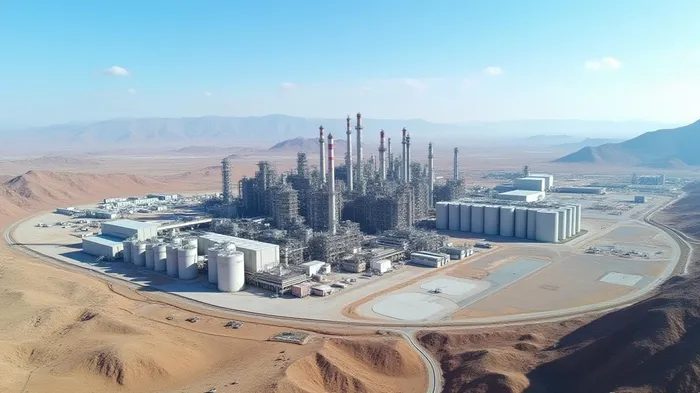
The outage, triggered by a cascading grid failure between Spain and France, halted operations at both the 228,000-metric-ton smelter and 1.5-million-metric-ton refinery. The smelter’s electrolytic cells, which require constant temperatures above 950°C to maintain molten aluminum, began cooling rapidly. Within hours, 60% of potlines dropped below the critical 700°C threshold, risking irreversible damage. Cells that solidify completely—reaching the 660°C melting point—require rebuilding at a cost of $500,000 to $1 million per cell, with repairs potentially taking 6–12 months. Alcoa’s planned $15 million restart budget for Q2 2025 was upended, as the outage exacerbated technical challenges and forced emergency damage assessments.
Financial Costs and Risks
The outage’s financial toll is multi-faceted:
- Direct Costs: Cell rebuilding and infrastructure repairs could exceed $200–300 million, depending on the scale of damage.
- Lost Production: The smelter’s 6–12-month restart timeline implies potential losses of 114,000–228,000 tons of aluminum, translating to revenue losses of $228 million–$570 million at 2025 prices.
- Market Volatility: Aluminum prices spiked 8% on news of the outage, reflecting supply fears. While this could benefit Alcoa post-recovery, the immediate impact is operational disruption.
Alcoa’s Q2 earnings are likely to take a hit. The company’s $90 million annual tariff costs on Canadian aluminum and delays in refinery operations add to the pressure. Analysts anticipate a $100–200 million reduction in adjusted EBITDA for the quarter.
Broader Market Implications
The outage has exposed systemic risks in global aluminum supply chains:
- Energy Dependency: Aluminum production consumes 14,000 kWh per ton, making it uniquely vulnerable to grid instability. Spain’s grid, with 45% renewable energy, faces challenges in balancing intermittent supply.
- Price Volatility: Buyers have shifted to futures contracts, and LME premiums for European aluminum could rise by €50/ton, further pressuring just-in-time manufacturing sectors like automotive and aerospace.
- Grid Modernization: Spain’s energy minister called the outage a “wake-up call,” urging investment in grid inertia solutions and microgrids. Producers like Alcoa now face a choice: diversify production to regions with stable power or invest in costly resilience measures.
Alcoa’s Strategic Adjustments
The incident has accelerated Alcoa’s existing plans:
- Energy Security: A $200 million investment through 2030 targets Iberian grid resilience, including backup generation and microgrids.
- Technology Upgrades: Scaling inert anode technology (reducing restart energy by 50%) and advancing ELYYSIS zero-carbon smelting (targeting commercialization by 2030) could reduce future outage risks.
- Operational Diversification: Shifting production to regions with reliable power, such as Scandinavia, may become a priority.
Conclusion
The San Ciprián outage underscores two realities for investors:
1. Near-Term Pain: Alcoa faces $200–300 million in repair costs, production losses, and earnings dilution. Its $1.2 billion in cash reserves provide a buffer, but the stock’s pre-market dip to $25.40 reflects market skepticism.
2. Long-Term Opportunity: The incident has forced Alcoa to accelerate investments in grid resilience and zero-carbon technologies—strategies that could future-proof its operations.
The key risks remain the restart timeline and grid modernization progress. Should Alcoa successfully navigate these challenges, its position in a decarbonizing aluminum market—where its ELYYSIS technology holds a first-mover advantage—could prove decisive. Investors should monitor restart milestones and LME aluminum pricing trends, while keeping an eye on grid reforms in Spain. For now, the outage is a costly reminder: in an era of renewable energy volatility, aluminum producers must treat energy resilience as a core competency—or pay the price.





Comentarios
Aún no hay comentarios