
Adani Green Energy's 5 GW+ Hydro Pumped Storage Expansion: A Strategic Pillar in India's Renewable Energy Transition
Strategic Positioning: Bridging Intermittency and Grid Stability
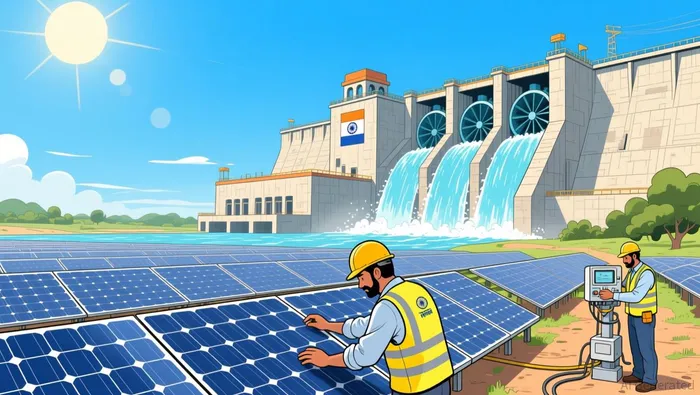
Pumped storage hydro (PSH) is a cornerstone of grid resilience, particularly in a renewable-dominated energy mix. As solar and wind power account for an increasing share of India's electricity generation, the need for large-scale, low-cost energy storage becomes paramount. AGEL's 5 GW+ PSP target addresses this gap directly. By investing in projects like the 2,700 MW pumped storage plants in Assam-part of a Rs 15,000 crore investment-AGEL is positioning itself as a key enabler of grid stability according to economic reports. These projects, which include a 500 MW capacity awarded through competitive bidding via business standard reporting, will help manage peak demand and integrate renewable energy more efficiently.
The strategic value of PSH lies in its ability to store excess energy during low-demand periods and release it during peaks. This capability is critical for India, where electricity demand is expected to surge due to industrialization and urbanization. AGEL's focus on PSH complements its existing solar and wind assets, creating a diversified portfolio that mitigates the intermittency of renewables. According to a Reuters report, AGEL's PSP expansion is part of a larger Rs 63,000 crore investment in Assam by the Adani Group, which also includes a 3,200 MW coal-fired power plant. While coal remains controversial in the net-zero context, the phased commissioning of this plant-starting in December 2030-suggests a transitional strategy to ensure energy security while scaling renewables.
Financial and Operational Strength: A Track Record of Growth
AGEL's credibility as a strategic player is underpinned by its robust financial performance and operational scale. As of September 30, 2025, the company has achieved 16.7 GW of power generation capacity, a 49% year-on-year increase. This growth is supported by a $20 billion investment plan over the next decade, including 2 GW of annual solar manufacturing capacity as reported by Adani. The company's second-quarter profits rose by 25%, driven by strong power sales and improved capacity utilization in wind projects per OEDigital reporting. Such financial resilience is rare in the renewable sector, where capital intensity and regulatory risks often deter smaller players.
AGEL's ability to secure competitive bids, such as the Assam PSP project with an annual fixed cost of Rs 1.03 crore per MW as confirmed by business standard, further underscores its cost efficiency. This pricing is critical in a market where affordability remains a barrier to renewable adoption. By offering scalable, low-cost storage solutions, AGEL is not only enhancing its own margins but also contributing to India's energy affordability goals.
Policy Support and Partnerships: A Government-Backed Transition
The Indian government's policy framework has been instrumental in AGEL's strategic expansion. The 450 GW target by 2030, part of India's net-zero commitments, creates a clear demand-side incentive for companies like AGEL. Additionally, the Adani Group's investments in Assam-spanning Rs 63,000 crore-highlight the role of state partnerships. The Assam projects, including the 3.2 GW thermal plant and 2.7 GW PSP, are backed by favorable tariffs (e.g., Rs 6.30 per kWh) and phased commissioning timelines, ensuring alignment with both economic and environmental priorities.
AGEL's Khavda renewable energy park in Gujarat, with a 30 GW target by 2029, is another example of policy-enabled innovation. The park's 3.5 GWh battery energy storage system (BESS), set to be completed by March 2026, demonstrates AGEL's ability to integrate cutting-edge technologies with traditional PSH. This hybrid approach-combining long-duration storage with flexible generation-positions AGEL to meet evolving grid requirements.
Challenges and Considerations
While AGEL's expansion is strategically sound, risks remain. Environmental and social concerns around large hydro projects-such as land acquisition and ecological disruption-could delay timelines or trigger regulatory pushback. Additionally, the reliance on coal in Assam, though transitional, may attract criticism from climate advocates. However, AGEL's focus on competitive pricing and grid stability suggests a pragmatic approach to balancing short-term energy needs with long-term sustainability.
Conclusion: A Strategic Bet on India's Energy Future
Adani Green Energy's 5 GW+ PSP expansion is more than a capital allocation decision-it is a strategic bet on India's renewable energy future. By leveraging its financial strength, operational expertise, and policy support, AGEL is addressing the twin challenges of intermittency and affordability in a rapidly growing market. For investors, this initiative represents a compelling opportunity to participate in a transition that is both economically viable and aligned with global climate goals. As India races toward 450 GW of renewables, AGEL's role as a grid enabler will only grow in significance.







Comentarios
Aún no hay comentarios