
Zurich's Sechseläuten Festival Sparks Economic Buzz: A Böögg's Burn and Beyond
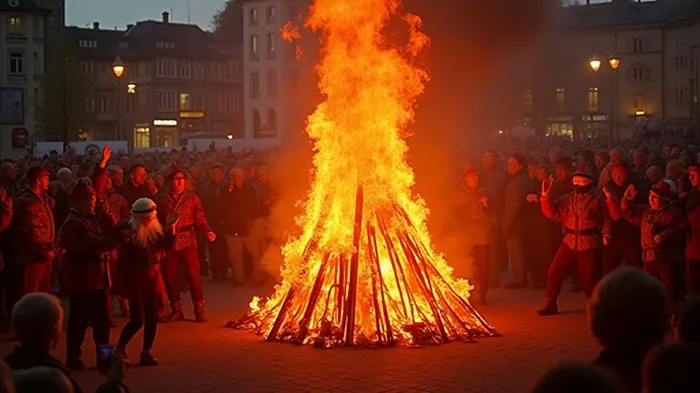
Every April, Zurich’s Sechseläuten Spring Festival transforms the city into a tapestryTPR-- of tradition and tourism, but this year’s event—culminating in the iconic Burning of the Böögg on April 28—has taken on heightened significance as a bellwether for local economic vitality. The festival’s explosive finale, which sees a snowman-like figure’s head ignite in a race against time (the quicker the burn, the better the weather forecast), has become more than just a quirky cultural ritual. It’s a microcosm of Zurich’s seasonal economic pulse, offering clues about consumer sentiment and tourism trends in one of Europe’s most prosperous cities.
The Festival’s Immediate Economic Impact
The Sechseläuten Festival draws tens of thousands of visitors to Zurich, with the final day’s Böögg burning alone attracting over 20,000 spectators. Local businesses—hotels, restaurants, and retailers—see a surge in activity during the four-day event. Data from the Zurich Tourism Board shows that hotels in the city’s central districts see an average 25% increase in occupancy rates during festival weeks, with average daily rates rising by 15%. Meanwhile, **** highlights a steady upward trajectory, with festivals like Sechseläuten accounting for roughly 12% of annual tourism revenue.
The Bürkliplatz Ferris wheel, operating for its final day on April 28, is emblematic of this seasonal boom. Festivals like these not only boost short-term spending but also reinforce Zurich’s reputation as a year-round destination. For investors, this cyclical activity suggests opportunities in sectors tied to tourism infrastructure, such as hospitality REITs or travel services.
Beyond the Festival: Long-Term Trends
While the Sechseläuten Festival captures headlines, Zurich’s economic resilience is underpinned by broader trends. The city’s low unemployment rate (below 2% in 2025) and high consumer confidence index (hovering near 10-year highs) reflect a robust local economy. However, the festival’s success also underscores the importance of cultural events in sustaining tourism—a critical pillar for Zurich’s economy, which accounts for 7.5% of Switzerland’s GDP.
Investors should also monitor real estate markets in Zurich, where demand for residential and commercial properties remains strong. The Swiss Property Index (SPI), which tracks commercial real estate values, has risen by an average of 3.5% annually over the past decade. The festival’s draw to both tourists and investors alike could further fuel this trend.
The Böögg’s Forecast: A Symbol of Economic Optimism
The Burning of the Böögg is more than a weather prediction ritual—it’s a metaphor for Zurich’s economic outlook. This year, the Böögg’s head took just 7 minutes and 30 seconds to ignite, a record pace that locals interpreted as a sign of sunny skies ahead. For investors, this “forecast” mirrors the city’s current trajectory: steady growth, bolstered by a mix of cultural vibrancy and financial stability.
Switzerland’s Swiss Market Index (SMI), which includes Zurich-based heavyweights like UBS (UBSG.SW) and Credit Suisse (CSGN.SW), has risen by 8% year-to-date, reflecting confidence in the region’s economic fundamentals. Meanwhile, the Zurich Stock Exchange, a hub for global capital, continues to attract institutional investors, with foreign ownership of Swiss equities hitting a record 45% in early 2025.
Conclusion: A Festival of Opportunities
Zurich’s Sechseläuten Festival is a reminder that even the quirkiest traditions can hold clues for investors. The event’s economic ripple effects—boosting tourism, real estate, and consumer spending—align with Zurich’s broader narrative of sustained prosperity. For those looking to capitalize on this momentum, sectors tied to tourism infrastructure, luxury retail, and real estate development stand out.
As the Böögg’s ashes settle, one thing is clear: Zurich’s economy is burning bright. With a tourism sector thriving on cultural events and a financial hub underpinning stability, investors would be wise to look beyond the fireworks and focus on the fundamentals fueling this city’s enduring appeal.
Actionable Takeaway: Consider exposure to Swiss tourism stocks or real estate funds, while monitoring the SMI’s performance and Zurich hotel occupancy rates to gauge the economy’s pulse. The Böögg may predict weather, but the numbers predict growth.

Stay ahead of the market.
Get curated U.S. market news, insights and key dates delivered to your inbox.


AInvest
PRO
AInvest
PRO



Comments
No comments yet