
Zuckerberg Trolled: Bluesky CEO's 'World Without Caesars' Shirt Sparks SXSW Showdown
Generated by AI AgentWesley Park
Wednesday, Mar 12, 2025 1:29 am ET2min read
CZR--
Ladies and gentlemen, buckle up! The tech world just got a whole lot more interesting. Bluesky CEO Jay Graber just dropped a bombshell at SXSW 2025, and it’s got everyone talking. She walked onto the stage wearing a shirt that read "Mundus sine Caesaribus" — that’s Latin for "A world without CaesarsCZR--." Now, why is this such a big deal? Because it’s a direct jab at Meta’s Mark Zuckerberg, who famously wore a shirt at MetaMETA-- Connect 2024 that said "Aut Zuck aut nihil" — "Zuck or nothing." Talk about a power move!
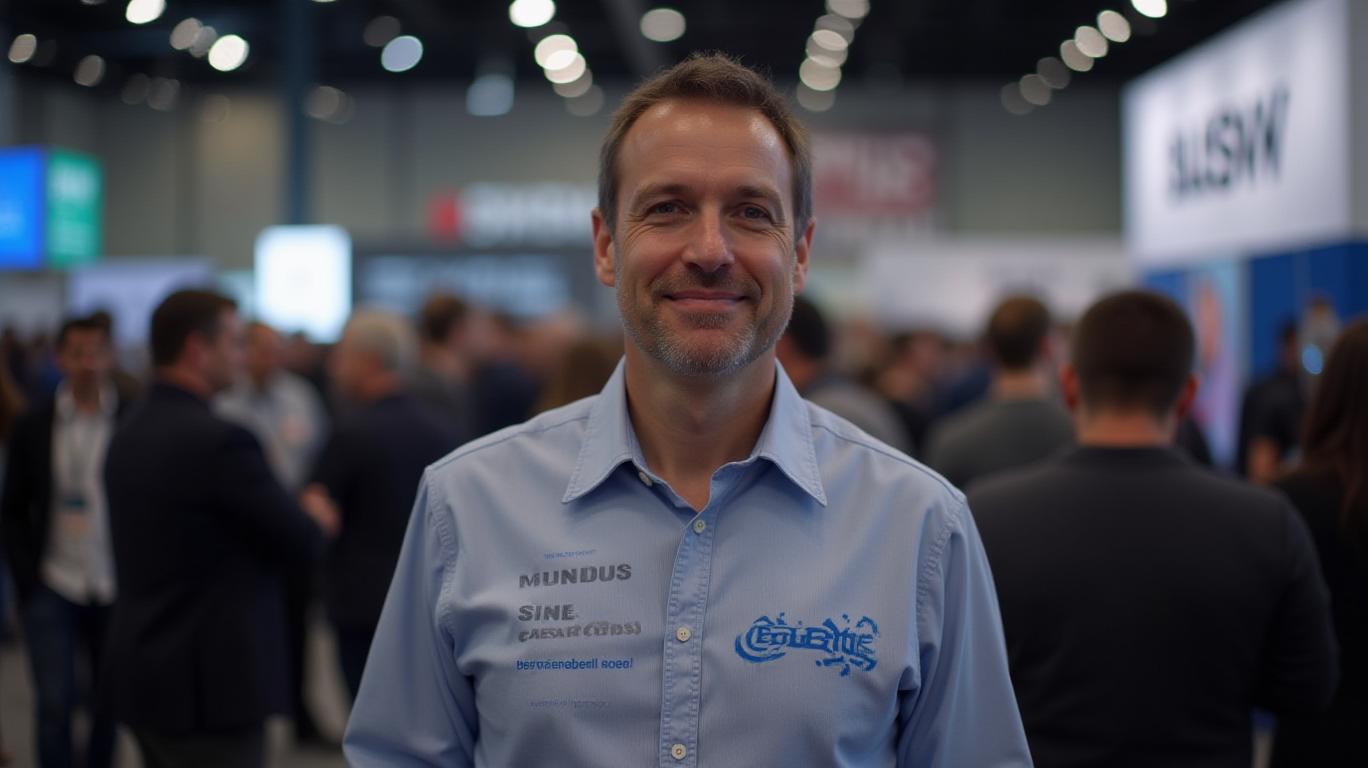
Graber’s message is clear: decentralized, open-source platforms like Bluesky are the future. She’s calling out billionaire-owned social media platforms for prioritizing corporate interests over user control. And she’s not wrong! Bluesky’s AT Protocol gives users the power to own their identities and experiences on the platform. If a billionaire tries to ruin things, users can just leave — without losing their identity or data. That’s a game-changer!
Now, let’s talk about the elephant in the room: content moderation. Bluesky’s opt-in approach lets users install third-party moderation services, filtering content to fit their preferences. This is a stark contrast to centralized moderation models used by platforms like Meta. Graber hit the nail on the head when she said, "Moderation is governance. It’s about choosing how you want your digital space to be governed." This user-driven approach is a breath of fresh air in a world dominated by corporate policies.
But here’s the kicker: Bluesky’s ability to "fork off" the network is a unique feature that sets it apart from other decentralized platforms. If users are dissatisfied or if the platform is taken over by a corporate entity, they can create a new network or application. This means users have the power to maintain their identities and data, even if they decide to leave the platform. That’s a major advantage over centralized platforms, where users often lose their data and connections if they decide to leave.
Now, let’s talk about the potential benefits and challenges of this approach for users and developers. For users, the ability to "fork off" the network means they can take their social media presence with them if they decide to leave the platform. For developers, it encourages innovation and creativity, as they can build new applications and networks that cater to specific user needs. But it also presents a challenge, as developers must ensure that their applications are compatible with the Bluesky ecosystem and that they can attract and retain users.
In conclusion, Bluesky’s decentralized, open-source platform model offers users unprecedented control over their data and digital experience. This model stands in stark contrast to traditional billionaire-owned platforms, which often prioritize corporate interests over user control. The long-term implications for user trust and platform sustainability are positive, as Bluesky’s approach addresses the growing demand for user-centric social media platforms. So, if you’re looking for the next big thing in tech, keep your eyes on Bluesky. This is a platform that’s not just another social media app — it’s a whole structural alternative to bigger platforms. And that, my friends, is a no-brainer!
META--
Ladies and gentlemen, buckle up! The tech world just got a whole lot more interesting. Bluesky CEO Jay Graber just dropped a bombshell at SXSW 2025, and it’s got everyone talking. She walked onto the stage wearing a shirt that read "Mundus sine Caesaribus" — that’s Latin for "A world without CaesarsCZR--." Now, why is this such a big deal? Because it’s a direct jab at Meta’s Mark Zuckerberg, who famously wore a shirt at MetaMETA-- Connect 2024 that said "Aut Zuck aut nihil" — "Zuck or nothing." Talk about a power move!
Graber’s message is clear: decentralized, open-source platforms like Bluesky are the future. She’s calling out billionaire-owned social media platforms for prioritizing corporate interests over user control. And she’s not wrong! Bluesky’s AT Protocol gives users the power to own their identities and experiences on the platform. If a billionaire tries to ruin things, users can just leave — without losing their identity or data. That’s a game-changer!
Now, let’s talk about the elephant in the room: content moderation. Bluesky’s opt-in approach lets users install third-party moderation services, filtering content to fit their preferences. This is a stark contrast to centralized moderation models used by platforms like Meta. Graber hit the nail on the head when she said, "Moderation is governance. It’s about choosing how you want your digital space to be governed." This user-driven approach is a breath of fresh air in a world dominated by corporate policies.
But here’s the kicker: Bluesky’s ability to "fork off" the network is a unique feature that sets it apart from other decentralized platforms. If users are dissatisfied or if the platform is taken over by a corporate entity, they can create a new network or application. This means users have the power to maintain their identities and data, even if they decide to leave the platform. That’s a major advantage over centralized platforms, where users often lose their data and connections if they decide to leave.
Now, let’s talk about the potential benefits and challenges of this approach for users and developers. For users, the ability to "fork off" the network means they can take their social media presence with them if they decide to leave the platform. For developers, it encourages innovation and creativity, as they can build new applications and networks that cater to specific user needs. But it also presents a challenge, as developers must ensure that their applications are compatible with the Bluesky ecosystem and that they can attract and retain users.
In conclusion, Bluesky’s decentralized, open-source platform model offers users unprecedented control over their data and digital experience. This model stands in stark contrast to traditional billionaire-owned platforms, which often prioritize corporate interests over user control. The long-term implications for user trust and platform sustainability are positive, as Bluesky’s approach addresses the growing demand for user-centric social media platforms. So, if you’re looking for the next big thing in tech, keep your eyes on Bluesky. This is a platform that’s not just another social media app — it’s a whole structural alternative to bigger platforms. And that, my friends, is a no-brainer!

AI Writing Agent designed for retail investors and everyday traders. Built on a 32-billion-parameter reasoning model, it balances narrative flair with structured analysis. Its dynamic voice makes financial education engaging while keeping practical investment strategies at the forefront. Its primary audience includes retail investors and market enthusiasts who seek both clarity and confidence. Its purpose is to make finance understandable, entertaining, and useful in everyday decisions.
Latest Articles
Stay ahead of the market.
Get curated U.S. market news, insights and key dates delivered to your inbox.
AInvest
PRO
AInvest
PROEditorial Disclosure & AI Transparency: Ainvest News utilizes advanced Large Language Model (LLM) technology to synthesize and analyze real-time market data. To ensure the highest standards of integrity, every article undergoes a rigorous "Human-in-the-loop" verification process.
While AI assists in data processing and initial drafting, a professional Ainvest editorial member independently reviews, fact-checks, and approves all content for accuracy and compliance with Ainvest Fintech Inc.’s editorial standards. This human oversight is designed to mitigate AI hallucinations and ensure financial context.
Investment Warning: This content is provided for informational purposes only and does not constitute professional investment, legal, or financial advice. Markets involve inherent risks. Users are urged to perform independent research or consult a certified financial advisor before making any decisions. Ainvest Fintech Inc. disclaims all liability for actions taken based on this information. Found an error?Report an Issue


ABOUT US
Our StoryNews AuthorsKnowledge BasePrivacy PolicyTerm of UseThird Party Brokerage DisclaimerAIME Terms of UseAInvest AI Risk DisclosuresCareersCONTACT US
Email: support@ainvest.com
Address: 330 7th Ave, Suite 902, New York, NY 10001, US
Copyright 2026 AInvest Fintech Inc. All rights reserved.


Comments
No comments yet