
ZKsync Launches Cari Network to Challenge Stablecoins in Tokenized Settlements
 Aime Summary
Five U.S. regional banks—Huntington, KeyCorpKEY--, M&T, Old NationalONB--, and First Horizon—have launched the Cari Network, a blockchain-based payment system built on ZKsync's infrastructure, to enable instant tokenized deposits and settlements. The initiative targets the growing dominance of stablecoins like USDT and USDCUSDC-- by offering a regulated and FDIC-insured alternative.
Unlike stablecoins, Cari tokens remain liabilities of the issuing banks, ensuring FDIC insurance eligibility and regulatory compliance. This design allows for fast, private settlement of digital deposits while maintaining the security and compliance of traditional banking systems.
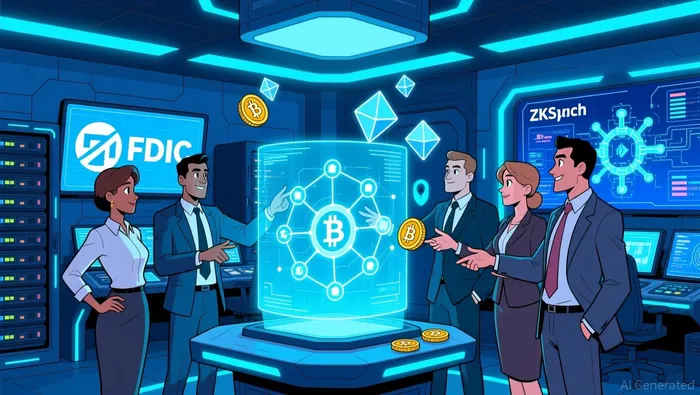
- The Cari Network aims to prevent customer funds from leaving the banking system by offering a high-speed, institutional-grade settlement layer. A planned Q3 2026 rollout underscores the urgency to counter deposit flight to crypto-native alternatives.
How Does the Cari Network Differ from Existing Stablecoins?
The Cari Network is fundamentally different from USDT or USDC because its tokens are not bearer assets but liabilities held on the issuing bank's balance sheet. This distinction ensures that Cari tokens remain eligible for FDIC insurance and regulatory compliance.
By leveraging ZKsync's Prividium technology, Cari provides a private and compliant execution environment for institutional transactions. This contrasts with stablecoins, which are often issued and managed outside traditional banking frameworks.
- The Cari Network is not just a technical innovation—it is a strategic move to reclaim the settlement layer from non-bank stablecoin issuers. The participating banks aim to align with regulatory expectations and ensure their continued relevance in a digital money landscape increasingly dominated by crypto-native solutions.
What Are the Risks and Challenges for the Cari Network?
Market reaction to the Cari Network has been mixed, with ZKsync's price dropping 6.7% as investors question the project's near-term viability. Skepticism is driven by technical, regulatory, and liquidity challenges that could hinder adoption.
A critical challenge is regulatory uncertainty. The success of the Cari Network depends on a 2026 pilot and the outcome of proposed legislation like the GENIUS Act and Clarity Act, which could force stablecoin issuers to operate under bank-like reserves.
Technical execution is also a key risk. The Cari Network's ability to attract institutional users and achieve interoperability across banks will determine its long-term competitiveness. Delays in adoption or execution could undermine the initiative's potential to reshape the settlement landscape.

Combinando la sabiduría tradicional en el comercio con los conocimientos más avanzados sobre criptomonedas.
Latest Articles
Stay ahead of the market.
Get curated U.S. market news, insights and key dates delivered to your inbox.
AInvest
PRO
AInvest
PRO



Comments
No comments yet