
ZK Atlas Upgrade: Redefining Blockchain Scalability and DeFi's Future


 Aime Summary
Technical Innovations: A New Era of Scalability
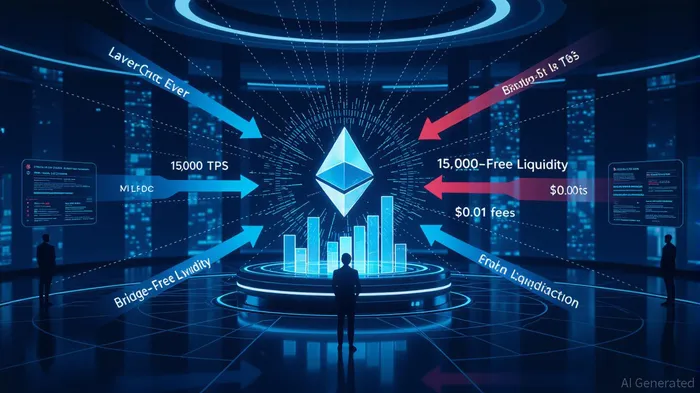
The ZKZK-- Atlas Upgrade introduces a modular Layer 2/3 infrastructure that achieves over 15,000 transactions per second (TPS), dwarfing Ethereum's 30 TPS limit, according to a Bitget report. This leap in throughput is powered by the RISC-V-based Airbender prover, which slashes proving costs and enables near-zero transaction fees and sub-second finality. Such performance metrics are transformative for applications requiring high-frequency trading, real-time asset tokenization, and decentralized finance (DeFi) protocols that demand frictionless user experiences.
A key innovation lies in interoperability. By allowing Layer-2 networks to access Ethereum's liquidity directly, the upgrade eliminates reliance on centralized bridges, a major vulnerability in cross-chain operations, as noted in the Bitget report. This bridge-free architecture not only enhances security but also opens pathways for institutional players to tokenize trillions in previously illiquid assets, such as real estate and commodities, on-chain.
DeFi Adoption: Unlocking Trillions in Value
The upgrade's impact on DeFi is profound. By enabling secure, low-cost tokenization of RWAs, ZK Atlas creates a bridge between traditional finance and decentralized ecosystems. For instance, institutional-grade tokenization of real estate or infrastructure bonds could democratize access to previously exclusive markets, attracting a new wave of retail and institutional capital.
Moreover, the upgrade's modular design aligns with Blockchain-as-a-Service (BaaS) platforms, allowing enterprises to adopt ZK technologies incrementally without overhauling legacy systems, as detailed in the Bitget report. This "plug-and-play" approach reduces friction for adoption, particularly in sectors like supply chain management and asset-backed lending.
Market Implications: Price Surges and Institutional Bet
The market has already priced in the upgrade's potential. The native ZK token surged by 50% post-upgrade, reflecting investor confidence in its scalability and enterprise use cases, according to the Bitget report. Additionally, projects like Grvt have raised $19 million to integrate ZKsync's infrastructure, signaling growing institutional interest.
However, challenges persist. Regulatory uncertainties, particularly around RWA tokenization and cross-border compliance, remain a hurdle. Furthermore, integrating ZK technologies with legacy systems requires technical expertise, which could slow adoption in conservative sectors, the Bitget report notes.
Challenges and Mitigations
Despite its promise, the ZK Atlas Upgrade faces headwinds. Regulatory frameworks for tokenized assets are still nascent, and interoperability with non-EVM chains remains untested at scale. ZKsync's modular architecture and compatibility with BaaS platforms mitigate these risks by enabling phased implementation and reducing capital expenditure for enterprises, the Bitget report highlights.
Conclusion: A Catalyst for the Next Crypto Cycle
The ZK Atlas Upgrade represents a pivotal moment in blockchain history. By solving scalability bottlenecks and enabling secure, low-cost DeFi ecosystems, it lays the groundwork for mass adoption. For investors, this translates to opportunities in ZKsync's ecosystem, RWA tokenization platforms, and infrastructure providers like Grvt. While risks remain, the upgrade's technical rigor and institutional traction suggest it will be a cornerstone of the next crypto bull run.

Blending traditional trading wisdom with cutting-edge cryptocurrency insights.
Latest Articles
Stay ahead of the market.
Get curated U.S. market news, insights and key dates delivered to your inbox.






Comments
No comments yet