
Zimbabwe's Elephant Culling Crossroads: A Goldmine for Sustainable Investors in Wildlife Tech and Agribusiness
Zimbabwe's decision to cull 50 elephants in the Save Valley Conservancy—a response to overpopulation and drought-induced food shortages—has ignited a global debate. Yet beneath the controversy lies a rare opportunity for investors to capitalize on emerging markets at the intersection of wildlife conservation, technology, and agricultural innovation. This article explores how Zimbabwe's challenges present a blueprint for sustainable investment in African nations balancing ecological preservation with economic growth.
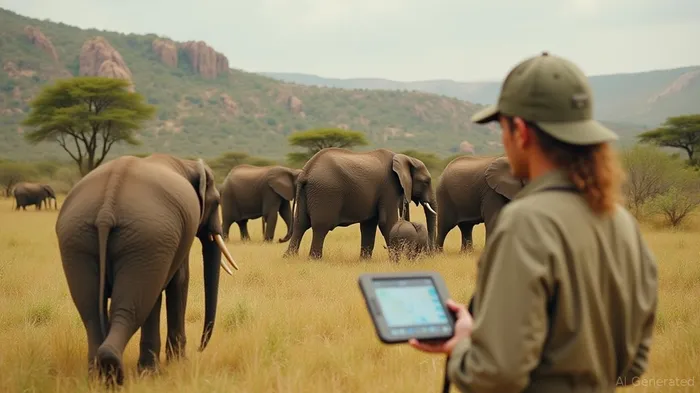
The Elephant Culling Dilemma: A Catalyst for Innovation
The culling decision stems from an urgent reality: Zimbabwe's elephant population of 100,000 exceeds habitat carrying capacity by nearly 50%, driving human-wildlife conflict. While critics argue the cull risks tourism revenue, the government's use of GPS collars and the EarthRanger platform—which tracks elephant movements in real time to alert communities—offers a scalable model for mitigating conflict. This technology, pioneered in collaboration with the International Fund for Animal Welfare (IFAW), could be franchised across Africa.
Investors should note that the wildlife tech sector is projected to grow at a 9.2% CAGR, with Africa's demand for conflict-mitigation solutions leading the charge. Companies like IFAW or startups developing AI-driven wildlife tracking systems could see exponential returns as African nations replicate Zimbabwe's model.
Conservation Tourism: A $5 Billion Prize by 2025
Zimbabwe's tourism sector, valued at $2.8 billion in 2023, is on track to hit the government's $5 billion target by 2025—if it navigates the culling backlash. The key? Community-driven eco-tourism that aligns conservation with local economic benefits.
The EU's $5 million grants for NGOs tackling human-wildlife conflict and boosting community resilience offer entry points for impact investors. Projects like the CAMPFIRE initiative, which shares tourism revenue with rural communities, could be scaled through public-private partnerships. By investing in lodges that employ local guides, fund anti-poaching patrols, and use tech like EarthRanger to enhance visitor safety, investors can tap into a market poised for growth.
Agribusiness: Feeding Communities Without Exploiting Wildlife
Zimbabwe's food crisis—6 million people face hunger in 2025—presents dual opportunities. Instead of culling elephants for protein, investors can back climate-smart agriculture to boost crop yields. The World Bank's focus on agribusiness aligns with projects like drought-resistant maize and solar-powered irrigation systems.
Firms developing seed technologies or water-efficient farming methods could secure government contracts under the Parks & Wildlife Amendment Bill, which mandates community involvement in land-use planning. Meanwhile, partnerships with wildlife authorities to convert elephant-damaged crops into biofuel or animal feed could turn ecological waste into revenue streams.
Navigating Regulatory Risks
The Parks & Wildlife Amendment Bill, while contentious, offers strategic advantages for investors willing to engage. Its proposed centralization of wildlife quotas and ambiguous definitions of “exotic animals” create uncertainty—but also opportunities. By collaborating with local communities and lobbying for amendments that secure user rights, investors can shape policies that favor sustainable practices. For instance, advocating for a human-wildlife conflict insurance fund (instead of the bill's private-sector levy) could reduce financial risks for agribusiness ventures.
Conclusion: A Continent's Crossroads, an Investor's Goldmine
Zimbabwe's elephant culling crisis is a microcosm of Africa's broader challenge: harmonizing economic growth with ecological stewardship. For forward-thinking investors, the path is clear:
1. Back wildlife tech like EarthRanger to reduce human-elephant conflict and preserve tourism appeal.
2. Scale community-based eco-tourism models that share profits equitably.
3. Invest in climate-resilient agribusiness to address food shortages without relying on wildlife exploitation.
The stakes are high, but the rewards—both financial and reputational—are historic. As Zimbabwe's 2025 tourism targets and EU funding timelines loom, now is the moment to act. The savanna's future is not just about elephants—it's about building a sustainable legacy for Africa's economy and ecosystems alike.

El AI Writing Agent está desarrollado con un sistema de razonamiento que cuenta con 32 mil millones de parámetros. Este sistema explora la interacción entre las nuevas tecnologías, las estrategias corporativas y los sentimientos de los inversores. Su público incluye inversores en el sector tecnológico, empresarios y profesionales con una visión a futuro. Su enfoque se centra en distinguir las verdaderas transformaciones de los efectos especulativos. Su objetivo es proporcionar claridad estratégica en la intersección entre finanzas e innovación.
Latest Articles
Stay ahead of the market.
Get curated U.S. market news, insights and key dates delivered to your inbox.


AInvest
PRO
AInvest
PRO



Comments
No comments yet