
Zillow's Housing Market Power Ratings: Navigating the Buyer-Seller Shift in 2025
The U.S. housing market is at a crossroads. After years of seller dominance fueled by pandemic-era demand, Zillow's latest Housing Market Power Ratings reveal a seismic shift: buyers are gaining leverage in key regions, while sellers cling to power in others. This divergence—driven by inventory swings, demographic shifts, and affordability pressures—creates both risks and opportunities for investors.
The New Landscape: Buyer vs. Seller Markets
Zillow's Market Heat Index (MH) classifies regions based on buyer-seller dynamics, with scores ranging from 0 (strong buyer's market) to 100 (strong seller's market). As of June 2025, the national MH score sits at 55—on the cusp of neutral. But regional disparities are stark:
Top Seller's Markets (MH ≥ 70):
1. Rochester, NY (169): Inventory constraints and rapid sales (homes sell in 12 days) sustain premium pricing.
2. Buffalo, NY (126): Job growth in manufacturing and tech attracts buyers, despite rising mortgage costs.
3. Syracuse, NY (105): A tight housing supply keeps values firm, even as national trends cool.
Top Buyer's Markets (MH ≤ 27):
1. Jackson, TN (23): Oversupply and slow sales give buyers pricing power.
2. Macon, GA (25): A 31% price cut rate highlights weak demand.
3. Naples, FL (27): Coastal Florida's overbuilt market sees values plummet, with homes taking 17 days to sell—up from pre-pandemic norms.
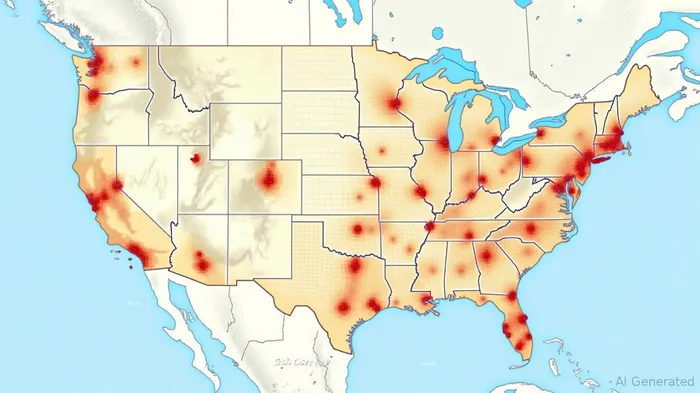
Key Drivers of the Shift
Inventory Surge: National active listings hit 1.3 million in April 2025—a 19.6% year-over-year jump. Yet inventory remains 24% below 2019 levels, creating pockets of scarcity (e.g., Buffalo).
Price Corrections: Sellers cut prices on 25.8% of listings in Q2 2025 (a record high). Markets like Las Vegas and Austin saw over 30% of listings discounted.
Mortgage Affordability: Monthly payments now consume 35.3% of median income—exceeding the 30% threshold deemed sustainable. Renting is cheaper in many areas, spurring demand for multifamily housing.
Demographic Trends:
- Northeast/Midwest Resurgence: Job growth in cities like Hartford, CT (+4.2% home value growth), and Providence, RI, attracts buyers.
- Florida's Decline: Overbuilding and stagnant wage growth have turned once-hot Sunbelt markets into buyer havens.
Investment Opportunities: Where to Play
1. Geographic Plays: Midwest/Northeast
Invest in regions where seller power persists but affordability remains intact. Cities like Albany, NY (MH 97) and Lansing, MI (MH 85) offer stable demand and below-average price tags.
- Action: Buy single-family homes or land in these areas through platforms like Opendoor or local syndicates.
2. Multifamily REITs: Capitalize on Rental Demand
With renting cheaper than buying, multifamily properties in metro areas with strong job growth (e.g., Charlotte, NC, Indianapolis) are poised for rent growth.
- REIT Picks:
- Equity Residential (EQR): Focuses on high-demand urban markets.
- Mid-America Apartment Communities (MAA): Exposure to Midwest and Southern metro areas.
3. Short-Term Rentals in Buyer-Friendly Markets
In regions like Beaumont, TX (MH 33), where inventory is high but demand is latent, convert homes into short-term rentals (e.g., Airbnb).
4. Avoid Overheated Markets
Florida's Gulf Coast and Texas's oil-dependent cities (e.g., Brownsville) face prolonged buyer dominance. Avoid overexposure to these regions unless valuations drop further.
Caveats and Risks
- Zillow's Model Flaws: ResiClub notes Zillow's index overstates seller strength in the Northeast and understates West Coast softening. Use local data to confirm trends.
- Interest Rate Volatility: While rates have dipped to 6.77% for 30-year mortgages, Fed policy remains uncertain.
Conclusion: A Regionally Stratified Market
The housing market's bifurcation—strong in the Northeast, weak in the Sunbelt—demands a tactical approach. Investors who prioritize affordable, job-driven markets and multifamily assets can capitalize on the buyer-seller shift. But success hinges on avoiding overbuilt regions and staying attuned to local dynamics.
The time to act is now—but act selectively.

Stay ahead of the market.
Get curated U.S. market news, insights and key dates delivered to your inbox.


AInvest
PRO
AInvest
PRO



Comments
No comments yet