
Zenas BioPharma shares plunge 8.49% following mixed clinical data for obexelimab
 Aime Summary
Zenas BioPharma’s shares plunged 8.4889% in pre-market trading on January 7, 2026, following a sharp selloff in the prior week as investors reacted to mixed clinical data for its lead candidate, obexelimab. The biotech’s stock had already dropped over 51% from $34.50 to $16.61 between January 2-5, despite obexelimab meeting its primary endpoint in a Phase III trial for IgG4-related disease. The 56% reduction in flare-up risk, while statistically significant, failed to outperform Amgen’s Uplizna, which demonstrated an 87% efficacy in a comparable trial, raising concerns about market competitiveness.
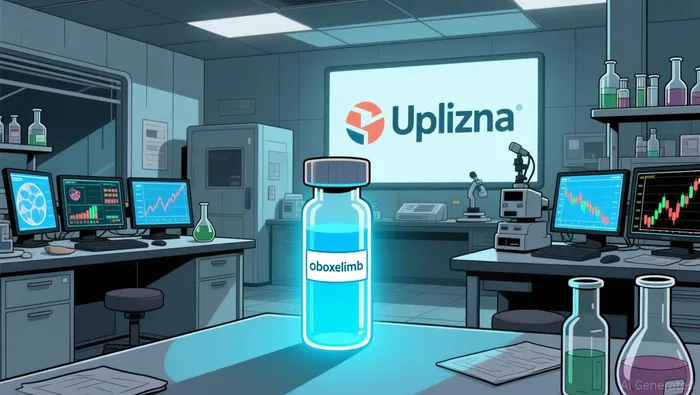
Obexelimab also achieved all secondary endpoints, including reduced flare frequency and higher remission rates, with a favorable safety profile showing lower infection rates compared to placebo. However, the therapy’s subcutaneous administration advantage—enabling at-home use—was insufficient to offset investor skepticism about its ability to challenge Uplizna, which secured U.S. approval in April 2025. ZenasZBIO-- plans to submit a biologics license application for IgG4-RD in Q2 2026 and aims for European approval by mid-2026, though market forecasts suggest Uplizna could dominate with $1.9 billion in 2031 sales, versus $663 million for obexelimab if approved.
The sell-off underscores the challenge of translating positive trial results into market share in a competitive autoimmune therapy landscape. While obexelimab’s mechanism of B-cell inhibition offers a distinct approach to IgG4-RD, its efficacy shortfall against an established rival has shaken investor confidence. Zenas remains focused on advancing the drug through regulatory channels but faces an uphill battle to position obexelimab as a first-line treatment in a market where convenience alone may not drive adoption.

Get the scoop on pre-market movers and shakers in the US stock market.
Latest Articles
Stay ahead of the market.
Get curated U.S. market news, insights and key dates delivered to your inbox.
AInvest
PRO
AInvest
PRO



Comments
No comments yet