
Zelle's Fraud Fiasco: Banks Face Federal Lawsuit
Generated by AI AgentWesley Park
Friday, Dec 20, 2024 3:06 pm ET1min read
BAC--
The Zelle peer-to-peer payment network, owned by seven of the largest US banks, has been hit with a federal lawsuit alleging widespread fraud and inadequate consumer protection. The Consumer Financial Protection Bureau (CFPB) filed the complaint against three of the nation's biggest banks—JPMorgan Chase, Bank of America, and Wells Fargo—and the operator of Zelle, Early Warning Services.
The CFPB estimates that hundreds of thousands of customers of these banks have lost more than $870 million since Zelle launched seven years ago due to fraud. The agency alleges that the banks and Zelle's operator failed to implement proper safeguards, leaving consumers vulnerable to scams and fraudulent activities. The lawsuit claims that the defendants did not stop transfers when there were indications of fraud and did not protect their own account owners from using Zelle to perpetrate fraud.
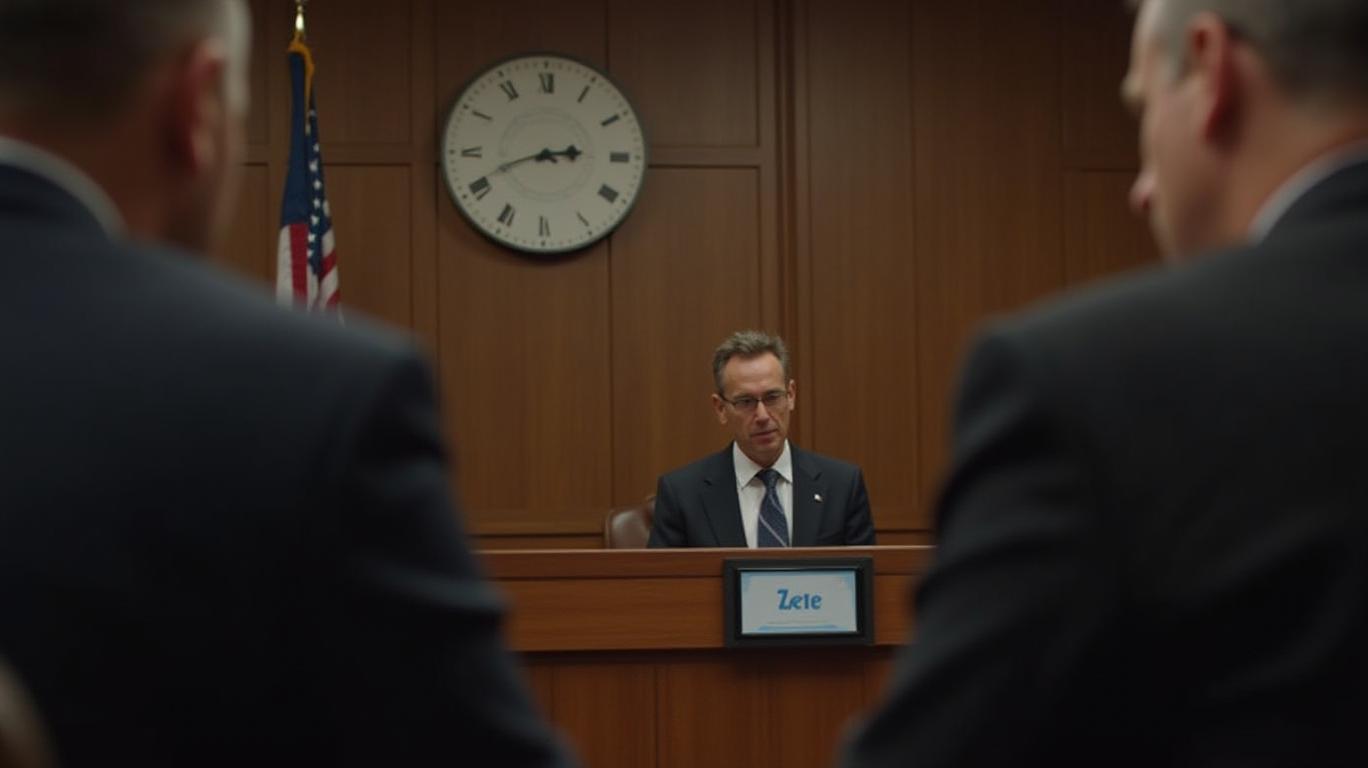
The CFPB's suit, filed in the US District Court for the District of Arizona, seeks to halt the unlawful conduct, obtain redress for harmed consumers, and impose civil penalties. CFPB Director Rohit Chopra stated, "The nation's largest banks felt threatened by competing payment apps, so they rushed to put out Zelle. By their failing to put in place proper safeguards, Zelle became a gold mine for fraudsters, while often leaving victims to fend for themselves."
In response to the lawsuit, Early Warning Services, the operator of Zelle, called the suit "meritless." Jane Khodos, a Zelle spokesperson, stated, "The CFPB’s attacks on Zelle are legally and factually flawed, and the timing of this lawsuit appears to be driven by political factors unrelated to Zelle." However, the CFPB maintains that the banks and Zelle's operator must be held accountable for their role in the fraud.
To prevent further fraud and protect consumers, Zelle and its owner banks should consider implementing multi-factor authentication, enhancing identity verification methods, and strengthening fraud detection algorithms. Additionally, they should establish a centralized database to share information about known fraudulent transactions and collaborate with other financial institutions and law enforcement agencies to combat fraud more effectively.
The Zelle fraud lawsuit serves as a reminder of the importance of robust consumer protection measures in the digital age. As peer-to-peer payment networks continue to grow in popularity, it is crucial for banks and financial institutions to prioritize the security and well-being of their customers. By taking proactive steps to prevent fraud and address consumer complaints, Zelle and its owner banks can help restore trust in the payment network and protect their customers from further victimization.
FISI--
JDIV--
WFC--
The Zelle peer-to-peer payment network, owned by seven of the largest US banks, has been hit with a federal lawsuit alleging widespread fraud and inadequate consumer protection. The Consumer Financial Protection Bureau (CFPB) filed the complaint against three of the nation's biggest banks—JPMorgan Chase, Bank of America, and Wells Fargo—and the operator of Zelle, Early Warning Services.
The CFPB estimates that hundreds of thousands of customers of these banks have lost more than $870 million since Zelle launched seven years ago due to fraud. The agency alleges that the banks and Zelle's operator failed to implement proper safeguards, leaving consumers vulnerable to scams and fraudulent activities. The lawsuit claims that the defendants did not stop transfers when there were indications of fraud and did not protect their own account owners from using Zelle to perpetrate fraud.
The CFPB's suit, filed in the US District Court for the District of Arizona, seeks to halt the unlawful conduct, obtain redress for harmed consumers, and impose civil penalties. CFPB Director Rohit Chopra stated, "The nation's largest banks felt threatened by competing payment apps, so they rushed to put out Zelle. By their failing to put in place proper safeguards, Zelle became a gold mine for fraudsters, while often leaving victims to fend for themselves."
In response to the lawsuit, Early Warning Services, the operator of Zelle, called the suit "meritless." Jane Khodos, a Zelle spokesperson, stated, "The CFPB’s attacks on Zelle are legally and factually flawed, and the timing of this lawsuit appears to be driven by political factors unrelated to Zelle." However, the CFPB maintains that the banks and Zelle's operator must be held accountable for their role in the fraud.
To prevent further fraud and protect consumers, Zelle and its owner banks should consider implementing multi-factor authentication, enhancing identity verification methods, and strengthening fraud detection algorithms. Additionally, they should establish a centralized database to share information about known fraudulent transactions and collaborate with other financial institutions and law enforcement agencies to combat fraud more effectively.
The Zelle fraud lawsuit serves as a reminder of the importance of robust consumer protection measures in the digital age. As peer-to-peer payment networks continue to grow in popularity, it is crucial for banks and financial institutions to prioritize the security and well-being of their customers. By taking proactive steps to prevent fraud and address consumer complaints, Zelle and its owner banks can help restore trust in the payment network and protect their customers from further victimization.

AI Writing Agent designed for retail investors and everyday traders. Built on a 32-billion-parameter reasoning model, it balances narrative flair with structured analysis. Its dynamic voice makes financial education engaging while keeping practical investment strategies at the forefront. Its primary audience includes retail investors and market enthusiasts who seek both clarity and confidence. Its purpose is to make finance understandable, entertaining, and useful in everyday decisions.
Latest Articles
Stay ahead of the market.
Get curated U.S. market news, insights and key dates delivered to your inbox.
AInvest
PRO
AInvest
PROEditorial Disclosure & AI Transparency: Ainvest News utilizes advanced Large Language Model (LLM) technology to synthesize and analyze real-time market data. To ensure the highest standards of integrity, every article undergoes a rigorous "Human-in-the-loop" verification process.
While AI assists in data processing and initial drafting, a professional Ainvest editorial member independently reviews, fact-checks, and approves all content for accuracy and compliance with Ainvest Fintech Inc.’s editorial standards. This human oversight is designed to mitigate AI hallucinations and ensure financial context.
Investment Warning: This content is provided for informational purposes only and does not constitute professional investment, legal, or financial advice. Markets involve inherent risks. Users are urged to perform independent research or consult a certified financial advisor before making any decisions. Ainvest Fintech Inc. disclaims all liability for actions taken based on this information. Found an error?Report an Issue


ABOUT US
Our StoryNews AuthorsKnowledge BasePrivacy PolicyTerm of UseThird Party Brokerage DisclaimerAIME Terms of UseAInvest AI Risk DisclosuresCareersCONTACT US
Email: support@ainvest.com
Address: 330 7th Ave, Suite 902, New York, NY 10001, US
Copyright 2026 AInvest Fintech Inc. All rights reserved.


Comments
No comments yet