
Zelensky Proposes 20-Point Peace Plan Referendum with 60-Day Ceasefire
 Aime Summary
Ukrainian President Volodymyr Zelensky has announced that a 20-point peace plan to end the war with Russia should be put to a national referendum. The initiative requires at least 60 days of ceasefire to ensure the logistical and security conditions necessary for a nationwide vote. Speaking to media via a WhatsApp chat, Zelensky outlined the need for a stable environment to allow Ukrainian citizens to participate in the process without fear of ongoing military attacks.
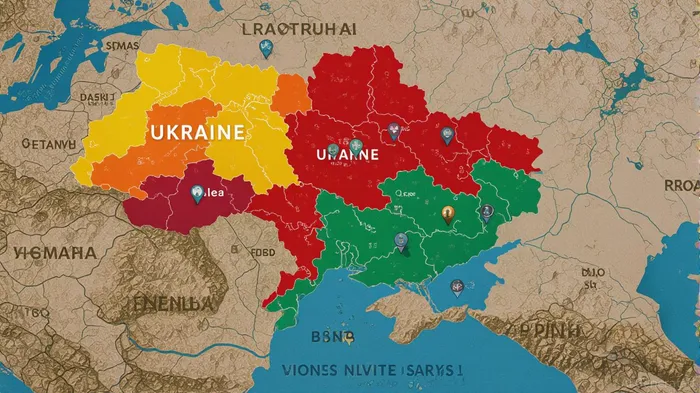
The referendum is not just a procedural step but a political and strategic move that reflects the complexity of the peace proposal. Zelensky emphasized that the plan includes significant territorial compromises and long-term security guarantees. While most components of the framework have been codified into agreements, key issues remain under discussion, particularly regarding the status of occupied territories in eastern Ukraine. He also noted that the process is contingent on Russian acceptance of a ceasefire and full cooperation from Moscow.
Zelensky's willingness to consider a referendum marks a shift in his stance. Previously, he had ruled out territorial concessions and insisted on a full restoration of Ukrainian borders. Now, he has stated that if the peace plan includes difficult territorial decisions, the best course of action would be to put the entire plan to a public vote. This approach aims to legitimize the agreement by ensuring it has broad public support.
The 20-point plan includes provisions for security guarantees, which Zelensky described as akin to NATO’s Article 5 commitments. These guarantees are intended to be binding and long-lasting, with the U.S. . Zelensky has indicated he prefers an even longer timeline, calling it a “big success” if his counterpart agrees. The security agreement will be submitted to both U.S. and Ukrainian legislatures for ratification.
The plan also envisions a shift in Ukraine’s long-term foreign policy, as the country would no longer pursue full NATO membership under this framework. Instead, it would rely on binding commitments from the U.S. and European allies to defend Ukraine in the event of another Russian invasion. These commitments would be reinforced through mechanisms like satellite monitoring and early warning systems.
Zelensky reiterated the importance of a ceasefire in ensuring the success of the referendum. He argued that a vote held under active military conditions would likely suffer from low turnout and could be seen as illegitimate. “It’s better to not have a than have a referendum where people do not have the possibility to come and vote,” he said.
The proposed 60-day ceasefire is also a point of contention. While Zelensky and his U.S. counterparts agree on its necessity, Russian officials have reportedly pushed for a shorter timeframe. The U.S. has reportedly made it clear to Moscow that a ceasefire is a prerequisite for a referendum, though it remains uncertain whether Russia will accept the conditions.
Zelensky is set to meet with U.S. President Donald Trump in Florida to finalize key aspects of the plan. The meeting is expected to focus on setting the final framework and timeline for ending the war. European leaders will also be involved in the process, with a planned video call to align perspectives ahead of the discussions.
Zelensky expressed optimism about the progress made and the potential for a resolution. “I think now we are at the next level, and that's why we need to negotiate with presidents,” he said. “We want to finish it as quickly as possible.”
The peace plan also includes economic components, with discussions ongoing about reconstruction and the establishment of “free economic zones” in contested areas. These zones would be supervised by international forces to ensure compliance and stability. Zelensky has stressed the need for external oversight, given the lack of trust in Russian commitments.
As the plan nears completion, the focus remains on securing broad support from both the Ukrainian people and international allies. Zelensky’s readiness to put the proposal to a national vote underscores the high stakes involved and the need for a legitimate, transparent process. The outcome of the coming days will be critical in determining whether peace can be achieved through this unprecedented initiative.

Stay ahead of the market.
Get curated U.S. market news, insights and key dates delivered to your inbox.






Comments
No comments yet