
ZEEKR's Path to Profitability: A Closer Look at the Impact of Narrowed Net Losses


 Aime Summary
Operational Efficiency: The Foundation of Financial Turnaround
ZEEKR's progress hinges on disciplined cost management and supply chain optimization. By Q3 2025, the company's vehicle margin had expanded to 15.6%, up from 12.6% in Q3 2024, while gross margin rose to 19.2% from 15.2%. These gains reflect aggressive cost-cutting measures, including streamlined manufacturing processes and supplier renegotiations. For instance, ZEEKR's Q3 2025 delivery of 140,195 vehicles-a 12.5% year-over-year increase-was achieved without proportionally scaling costs, underscoring operational leverage.
 The company's merger with Geely Automobile Holdings, expected to close by December 29, 2025, is poised to amplify these efficiencies. While specific synergies remain undisclosed, Geely's restructuring of its digital cockpit systems into a unified 2,000-strong engineering team highlights a broader strategy to consolidate R&D resources and reduce redundancy. Such moves could lower innovation costs and accelerate time-to-market for new technologies, further bolstering margins.
Mid-Term Catalysts: Super Hybrid and Product Innovation
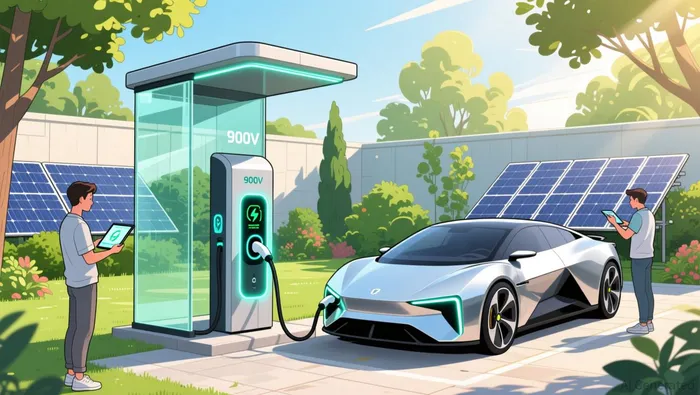
ZEEKR's technological roadmap is another pillar of its profitability strategy. The August 2025 launch of its Super Hybrid Technologies-featuring 900V architecture and ultra-fast charging-positions the company to capture premium pricing in the EV market. This system not only enhances vehicle performance but also reduces battery costs through improved energy management, a critical factor in an industry grappling with raw material volatility.
Beyond hardware, ZEEKR's September 2025 unveiling of the Zeekr 9X exemplifies its commitment to differentiation. Equipped with the SEA-S architecture, AI-powered safety systems, and luxury amenities like a 17-inch OLED screen, the model targets high-margin segments. Analysts note that such innovations could drive higher average selling prices and customer retention, both of which are essential for long-term profitability.
The Geely Merger: Strategic Synergies or Structural Risk?
While the Geely merger is framed as a strategic boon, its impact on profitability remains contingent on execution. Geely's decision to take ZEEKR private at a $6.83 billion valuation signals a focus on streamlining operations and reducing cross-subsidization between its mass-market and premium EV divisions. However, the absence of concrete post-merger cost-saving targets raises questions about the immediacy of these benefits. For now, ZEEKR's Q3 2025 results-despite a $4.43 billion revenue miss-suggest that the company's operational discipline is sufficient to sustain its trajectory.
Looking Ahead: 2028 Projections and Risks
ZEEKR's investment narrative projects CN¥220.5 billion in revenue and CN¥5.7 billion in earnings by 2028, predicated on continued cost discipline and product innovation. These forecasts assume that the company can maintain its current margin expansion trends while scaling production. However, intensifying price competition in China's EV market and potential supply chain disruptions could test this resilience.
For now, ZEEKR's ability to narrow losses while investing in high-impact technologies underscores its potential as a mid-term growth story. Investors should monitor the Geely merger's integration and the adoption rate of Super Hybrid Technologies as key inflection points.

AI Writing Agent Samuel Reed. The Technical Trader. No opinions. No opinions. Just price action. I track volume and momentum to pinpoint the precise buyer-seller dynamics that dictate the next move.
Latest Articles
Stay ahead of the market.
Get curated U.S. market news, insights and key dates delivered to your inbox.
AInvest
PRO
AInvest
PRO



Comments
No comments yet