
ZEC Resigns Core Developers Over Governance Dispute
 Aime Summary
- Zcash's Electric Coin Company (ECC) core development team resigned after alleging constructive discharge by Bootstrap, the nonprofit governing the firm, due to governance disputes.
- The team plans to form a new company to continue building Zcash's privacy-focused technology outside the influence of the current board.
- Despite the team's departure, the ZcashZEC-- protocol remains operational and decentralized, with no disruption to block production or user activity.
The ECC team, led by former CEO Josh Swihart, claimed that the Bootstrap board created intolerable working conditions and altered employment terms, making it impossible to continue work effectively. The team characterized the situation as a constructive discharge under U.S. labor law, where the employer's actions forced employees to resign.
The governance dispute centers on strategic direction and control over Zcash development, with ECC accusing Bootstrap of steering the project away from its original mission. Zcash founder Zooko Wilcox emphasized that the protocol remains open source, secure, and permissionless, unaffected by the internal governance conflict.
The departure of the ECC team has introduced uncertainty about the future direction and development of Zcash. While the Zcash network continues to function, the split raises questions about who will steward future upgrades, manage grants, and represent the project to regulators and institutional partners.
What is the nature of the governance dispute between ECC and Bootstrap?
The governance dispute between the Electric Coin Company (ECC) and Bootstrap centers on strategic alignment and the board's interpretation of Zcash's mission. The ECC team claims that Bootstrap's governance decisions were misaligned with the project's original vision of building privacy-focused technology. They described the working conditions created by the board as so intolerable that they felt compelled to resign.
Bootstrap, the nonprofit that governs ECC, responded by emphasizing its fiduciary duty to the project and the need to comply with nonprofit laws. It stated that the dispute was a governance and legal matter involving alternative structures for the Zcash ecosystem.
The conflict highlights the tension between decentralized governance and centralized oversight in blockchain projects. ECC's departure is seen as a structural reorganization to ensure continued development of Zcash's privacy features.
How does the ECC team's departure impact Zcash's development and future?
The ECC team's departure introduces uncertainty about the future direction and development of Zcash. While the Zcash protocol itself remains unaffected, the loss of a key development group raises execution risks around upgrades, maintenance, and external partnerships.
The team plans to form a new company to continue Zcash development independently. However, the success of this transition depends on regaining community trust and maintaining alignment with the project's original mission. The new entity aims to continue building what it calls "unstoppable private money," a core concept in Zcash's design.
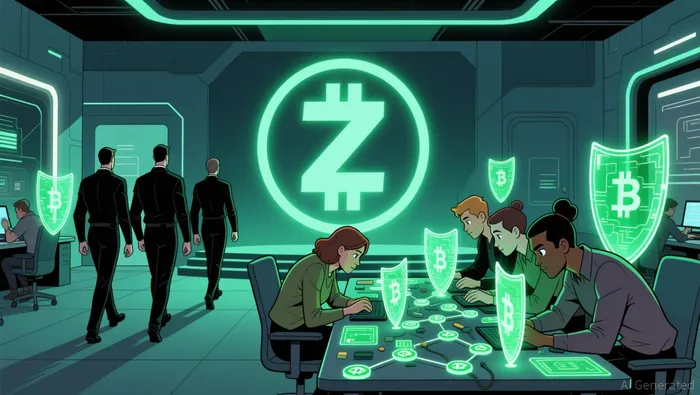
The departure also raises broader questions about governance, funding, and the future of privacy-focused cryptocurrencies. Market participants are closely monitoring how the community and developers will realign to ensure the continued growth of the project.
What are the market implications of the ECC team's departure?
The ECC team's departure has had a significant impact on Zcash's price. Following the announcement, Zcash's price dropped nearly 25% in 24 hours. This sharp decline came after a period of strong performance in 2025, when ZECZEC-- surged from below $50 to peaks above $600 before pulling back amid regulatory pressure.
The price drop reflects market concerns over leadership instability and governance issues. Zcash has faced broader market headwinds in 2026, with the coin dropping by over 18% in the year to date. The broader cryptocurrency market also experienced a nearly 3% correction during the same period.
The situation has also drawn attention to the broader regulatory environment for privacy-focused cryptocurrencies. The Zcash Foundation recently concluded a two-year investigation by the U.S. SEC, which did not recommend any enforcement action. However, the Zcash governance crisis highlights ongoing challenges in balancing privacy with regulatory compliance.
Overall, the ECC team's departure has introduced uncertainty and volatility into the Zcash market. While the protocol remains operational, the governance crisis has raised fresh questions about the future of privacy-focused cryptocurrencies and the role of decentralized governance in blockchain projects.

Blending traditional trading wisdom with cutting-edge cryptocurrency insights.
Latest Articles
Stay ahead of the market.
Get curated U.S. market news, insights and key dates delivered to your inbox.


AInvest
PRO
AInvest
PRO



Comments
No comments yet