
ZEC Resignation Sparks Governance Turmoil and Market Volatility
 Aime Summary
- Zcash's core development team at Electric Coin Company resigned en masse, citing governance conflicts with the Bootstrap board.
- The resignation has raised concerns about Zcash’s future direction, governance model, and funding sustainability according to analysis.
- ZEC’s price fell by over 20% following the news, signaling short-term market instability.
The Electric Coin Company (ECC), central to Zcash’s development, resigned in a move described as constructive discharge, indicating that employment terms imposed by the Bootstrap board hindered the team’s ability to advance Zcash’s privacy mission. The resignation is attributed to a governance structure that created working conditions the team found intolerable. The ECC team emphasized that the ZcashZEC-- protocol remains open source and functional, though the governance dispute has raised concerns about the project’s future roadmap.
A new company, cashZ, is being formed by the former ECC team to continue development under a for-profit model, aiming for faster decision-making and alignment with Zcash’s privacy-focused goals. This reorganization aims to streamline governance and development processes, but it has introduced uncertainty for the broader Zcash ecosystem. The Zcash Foundation has reaffirmed its commitment to maintaining Zcash as a decentralized open-source protocol, emphasizing that no single entity can control it.
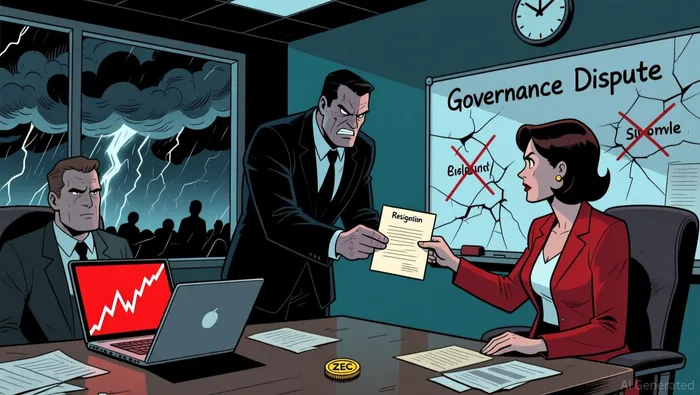
The market impact of the resignation was immediate, with ZEC's price dropping by over 20%. Institutional investors have expressed concerns about governance instability and the project’s long-term direction. While the Zcash network remains fully operational and secure, the leadership change has sparked debates on how to balance decentralization with structured development.
What Caused the Resignation of Zcash's Core Team?
The resignation of the Electric Coin Company (ECC) team was driven by governance disputes with the Bootstrap board. The team claimed that the board’s actions obstructed their ability to advance Zcash’s privacy mission and created an environment that made continued work untenable. The resignation was described as a constructive discharge, a legal term implying that employment conditions were altered to an extent that forced the team to leave. This governance conflict highlights structural weaknesses in how Zcash balances decentralization with organized development.
The leadership team, including former CEO Josh Swihart, cited misalignment with board members and governance changes that impeded their mission. The ECC team plans to continue Zcash’s development independently through the new company cashZ, aiming to create a more flexible and effective governance model.
What Are the Implications for Zcash's Future?
The formation of cashZ and the resignation of the ECC team has led to uncertainty over Zcash's governance. The Zcash Foundation has emphasized that the protocol remains decentralized and open source, but the recent leadership changes raise questions about how to sustain development and funding without centralized control.
Institutional investors are closely monitoring how the new governance structure will affect Zcash’s long-term growth, especially as there is increasing institutional interest in privacy-focused assets. The Zcash community is also exploring proposals for sustainable funding and governance reforms to ensure the project’s continued development and innovation according to analysis.
What Is the Market Impact of the Resignation?
The resignation triggered a sharp sell-off in ZECZEC--, with the token dropping over 20%. This price decline reflects investor concerns about governance instability and the potential disruption to Zcash’s roadmap according to reports.
While the Zcash network remains operational and secure, the leadership change has introduced uncertainty for long-term holders and short-term traders. The broader crypto market has also taken note of this event, with some analysts highlighting governance risks in privacy-focused coins according to analysis.
Retail traders face short-term position risks, while long-term holders experience erosion of confidence according to market analysis. Institutions and builders may also face disruptions to development and funding strategies according to industry reports. The market impact of the resignation underscores the importance of governance structures and funding models in the long-term sustainability of blockchain projects.

La combinación de la sabiduría tradicional en el comercio con las perspectivas más avanzadas sobre las criptomonedas.
Latest Articles
Stay ahead of the market.
Get curated U.S. market news, insights and key dates delivered to your inbox.


AInvest
PRO
AInvest
PRO



Comments
No comments yet