
ZEC Experiences Volatility After Electric Coin Company Resigns Over Governance Dispute
 Aime Summary
The ZcashZEC-- development team resigned from Electric Coin Company (ECC), citing governance conflicts with the Bootstrap board, and plans to form a new entity to continue development. The resignation triggered a sharp sell-off in ZEC, with the token dropping up to 25%, highlighting investor concerns over governance instability and project continuity. Zcash founder Zooko Wilcox confirmed the open-source protocol remains unaffected, but the governance dispute has raised broader questions about the long-term sustainability of mission-driven crypto projects.
The core development team behind Zcash (ZEC) has resigned en masse from Electric Coin Company (ECC), alleging constructive discharge by the Bootstrap board, a nonprofit that governs the firm. The team accused board members Zaki Manian, Christina Garman, Alan Fairless, and Michelle Lai of altering employment terms to hinder effective work, with CEO Josh Swihart calling the situation a legal concept of constructive discharge.
The resignation came amid ongoing governance challenges for Zcash, which has faced internal restructuring and leadership changes in recent months. Despite the team's exit, the Zcash protocol itself remains open source and operational, with Swihart affirming that the network is secure and permissionless. The development team is planning to form a new company to continue building privacy-focused digital money under a different governance model.
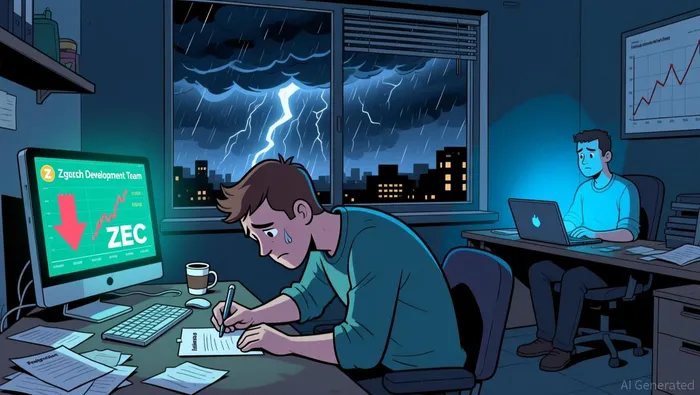
The news sent ZEC into a tailspin, with the token dropping as much as 25% in the immediate aftermath of the announcement. This sharp price correction reflects growing concerns among investors about the stability of governance models for privacy-focused cryptocurrencies. Analysts are now closely watching how the Zcash community and new development team navigate the transition to rebuild trust and maintain long-term support.
What Happens to Zcash's Development Roadmap Now?
The resignation of the entire ECC team raises significant uncertainty about Zcash's future development and funding. The formation of a new company will likely require a realignment of resources and priorities, which could slow down or alter the existing roadmap. The Zcash Foundation has stated that the open-source nature of the protocol ensures its continuity regardless of corporate governance changes, but this does not eliminate the need for active development and community coordination.
The governance dispute follows a series of leadership transitions within the Zcash ecosystem. Josh Swihart became CEO of ECC in late 2023 after Zooko Wilcox stepped down, and the team had previously reorganized to reduce internal friction. The recent developments underscore the fragility of governance structures in mission-driven crypto projects and highlight the importance of aligning leadership with long-term goals.
How Will This Affect Institutional and Retail Investor Confidence?
The Zcash crisis has already impacted market sentiment, with ZEC falling nearly 14% in the past week and more than 10% in a 24-hour period. Retail traders are facing short-term losses, while long-term holders remain uncertain about the project's direction. Institutions that had previously invested in Zcash, including Maelstrom and Galaxy Digital, are also affected by potential valuation risks.
The situation also highlights the importance of sustainable funding models and transparent governance structures for crypto projects. As the Zcash community moves forward, the focus will likely shift to rebuilding trust, ensuring continued development, and aligning leadership with the project's original mission. According to market analysis, the coming months will be critical for determining whether Zcash can overcome this crisis and continue its mission of building censorship-resistant digital money.
What Are the Long-Term Implications for Privacy Coins?
The Zcash governance crisis has broader implications for the privacy coin sector. It underscores the challenges faced by mission-driven projects in maintaining both technical and organizational stability. The Zcash Foundation has emphasized that the open-source protocol will remain unaffected, but the market reaction suggests that governance instability can have real financial consequences. TradingView reports that Zcash is experiencing developer slowdown as ZEC extends its two-month slide.
Privacy coins, by their nature, attract scrutiny from regulators and investors due to their association with illicit activity and lack of transparency. The Zcash governance dispute further complicates the perception of these assets, emphasizing the need for clear governance models that balance privacy with accountability. As the Zcash team restructures, the success or failure of the new governance model could serve as a benchmark for other privacy-focused projects.
In the short term, the market is likely to remain bearish until more clarity emerges about the new development company and its plans. However, if the Zcash community can realign and restore governance stability, the project could still retain its position as a leading privacy coin. The coming months will be critical for determining whether Zcash can overcome this crisis and continue its mission of building censorship-resistant digital money.

Mezclando la sabiduría tradicional en el comercio con las perspectivas más avanzadas sobre criptomonedas.
Latest Articles
Stay ahead of the market.
Get curated U.S. market news, insights and key dates delivered to your inbox.


AInvest
PRO
AInvest
PRO



Comments
No comments yet