
Zcash (ZEC) Core Team Resigns Amid Governance Disputes, Raising Uncertainty
 Aime Summary
Electric Coin Company (ECC), the main development team for ZcashZEC--, resigned on January 7, 2026, due to a governance dispute with Bootstrap, a nonprofit overseeing the Zcash network. The resignation led to a nearly 14% drop in ZEC price and has created uncertainty about the project's future governance and development roadmap. ECC members, including CEO Josh Swihart and Chief Scientist Chelsea Komlo, claim they were 'constructively discharged' after changes to working conditions made their roles unfeasible.
The Zcash Foundation, an independent entity, has emphasized that the Zcash network remains functional and resilient despite the departure of the core development team. Onchain data shows a significant drop in GitHub activity, with development efforts reaching their lowest point since 2021. The Zcash Foundation urged the community to distinguish between organizational changes and network performance, reinforcing the network's independence from any single entity.
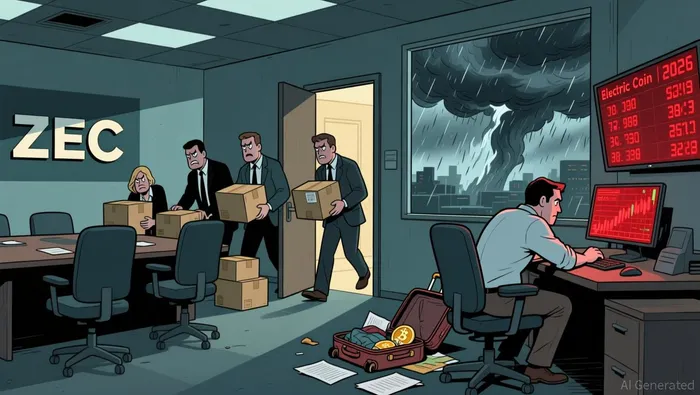
The ECC team is forming a new company to continue building Zcash without the constraints of Bootstrap's governance model, which they describe as 'broken and misaligned'. This move is seen as an opportunity to rebuild the network's privacy technology with greater independence and flexibility. The new company aims to focus on the core mission of Zcash: building unstoppable private money.
What caused the ECC team to resign?
Electric Coin Company's resignation followed a governance clash with Bootstrap board members, including Zaki Manian, Christina Garman, Alan Fairless, and Michelle Lai. According to Josh Swihart, a majority of Bootstrap board members were 'clearly misaligned' with Zcash's mission. The team claims employment terms were altered in ways that made it impossible to perform their roles effectively and with integrity.
The dispute highlights broader challenges in governance structures for open-source and decentralized projects. A constructive discharge is a legal term used when employment conditions are changed so severely that staying becomes impractical, even if the employee is not formally fired. This situation has raised concerns about how governance decisions can impact project development and community trust.
What is the Zcash Foundation's stance on the situation?
The Zcash Foundation has publicly defended the Zcash network's robustness and independence from any single entity. It emphasized that the network is designed to be resilient and continues to function smoothly despite the ECC team's departure. The foundation urged the community to differentiate between organizational shifts and the network's operational status.
The foundation's message aims to reassure investors and users that the Zcash protocol is not at risk. It also underscores the importance of decentralized governance and the ability of the network to continue evolving independently. However, the departure of core developers and declining GitHub activity raise concerns about the long-term sustainability of the project.
What are the implications for Zcash's future?
The formation of a new company by the ECC team is expected to continue Zcash development outside the influence of Bootstrap. This shift may provide a fresh start for the project, but it also introduces uncertainty about funding, governance, and future upgrades.
The leadership split has already triggered discussions about governance models in decentralized projects. The ability of the ECC team to rebuild the Zcash network independently will be a key factor in determining its future success. If the new entity can maintain the project's momentum and community support, Zcash may continue to evolve as a leader in privacy-focused cryptocurrencies. If not, the project could face challenges similar to those seen in other decentralized ventures where governance disputes have led to fragmentation and decline.
The situation also raises broader questions about the sustainability of open-source and decentralized projects. The Zcash case highlights the need for clear governance frameworks and the risks associated with over-reliance on a small group of developers or board members. The outcome of this transition will be closely watched by the broader crypto community as a potential case study in decentralized project management and development continuity.

Blending traditional trading wisdom with cutting-edge cryptocurrency insights.
Latest Articles
Stay ahead of the market.
Get curated U.S. market news, insights and key dates delivered to your inbox.


AInvest
PRO
AInvest
PRO



Comments
No comments yet