
ZCASH REORGANIZES DEVELOPMENT STRUCTURE AMID GOVERNANCE DISPUTES
 Aime Summary
The core development team at Electric Coin Company (ECC) resigned en masse on January 7, citing governance issues with the nonprofit Bootstrap board. The team plans to continue ZcashZEC-- development under a new for-profit structure, forming CashZ to build and maintain a new wallet. The Zcash network remains operational and decentralized, supported by node operators and the broader community.
The resignation highlights the fragility of governance structures in open-source crypto projects, particularly those reliant on nonprofit models. The ECC team described the exit as a constructive discharge, citing conflicts over funding and monetization strategies. The departure has raised concerns about long-term sustainability of privacy-focused projects reliant on small development teams.
The reorganization aims to enable more flexible development and align incentives with profit-driven innovation, which the former CEO argues is more sustainable. However, the abrupt transition has led to uncertainty among investors and users. Zcash's price fell over 10% in 24 hours following the resignation, exacerbating concerns over governance instability.
What Is the New Development Model for Zcash?
Electric Coin Company has transitioned to CashZ, a for-profit startup, to continue Zcash development. This shift is intended to overcome constraints imposed by the nonprofit structure of Bootstrap and align development with market incentives. The new team plans to launch a Zcash wallet based on the Zashi codebase. The transition has been described as structural, not ideological, with the Zcash protocol itself remaining unaffected.
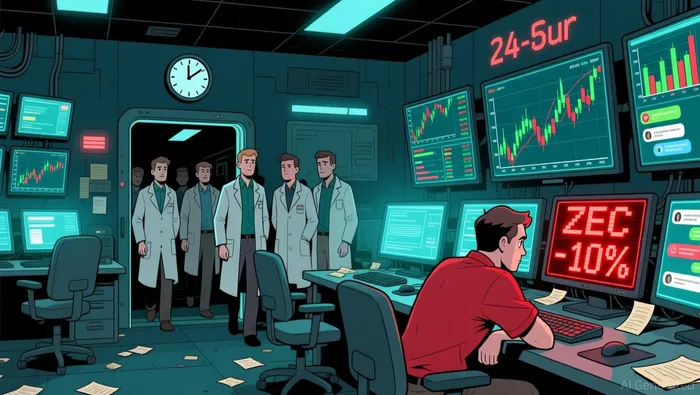
The ECC team emphasized that the new development structure supports the original goals of Zcash while addressing long-term scalability and sustainability. This model reflects a broader debate within the crypto space about the role of nonprofits in supporting open-source innovation.
What Are the Risks for Zcash Investors and Users?
The resignations have created uncertainty about the future of Zcash's development, funding, and regulatory engagement. The sudden departure of the core team has also raised concerns about long-term viability of the project. While the Zcash network remains operational, governance disputes have exposed vulnerabilities in projects relying on small, centralized development teams.
The market has reacted with a sharp price decline, adding to existing regulatory concerns over privacy-focused cryptocurrencies. The situation underscores the importance of decentralized governance and node diversity in ensuring project resilience. The success of Zcash's new development model will depend on the team's ability to align with the community and secure ongoing support.
How Has the Zcash Community Responded to the Transition?
The Zcash community has emphasized the network's ongoing operation and resilience despite the team's departure. Node operators and community members continue to support the protocol, ensuring its decentralized nature. The ECC team's transition has been described as a shift in development leadership rather than a loss of support.
The broader community is being urged to prioritize node diversity and decentralization to avoid single points of failure. This incident highlights the risks associated with over-reliance on a single development team or codebase. The formation of CashZ has been described as a continuation of Zcash's development rather than a departure from its original mission.
The Zcash Foundation has confirmed the network remains resilient amid the transition, with no disruption to protocol operations. The community continues to play a crucial role in ensuring stability and adoption.

Blending traditional trading wisdom with cutting-edge cryptocurrency insights.
Latest Articles
Stay ahead of the market.
Get curated U.S. market news, insights and key dates delivered to your inbox.






Comments
No comments yet