
ZCASH DEVELOPERS RESIGN OVER GOVERNANCE DISPUTES TRIGGERING MARKET VOLATILITY
 Aime Summary
The ZcashZEC-- core development team resigned over governance disputes with Bootstrap, citing constructive discharge and misalignment in mission and control according to reports. The resignation led to an 18% decline in ZEC in 2026 and a 13% drop in 24 hours, with broader market corrections also observed as reported. The team plans to form a new company to continue developing Zcash's privacy-focused technology, raising concerns about the project's future governance and continuity according to analysis.
The Electric Coin Company (ECC) team, the core developers behind Zcash, resigned after a prolonged governance conflict with Bootstrap, the nonprofit overseeing the project as detailed. This decision, described as constructive discharge by team members, followed alleged changes to working conditions that hindered effective development according to reports. The team emphasized that the Zcash protocol remains operational and unaffected, with open-source code and a permissionless network as stated.
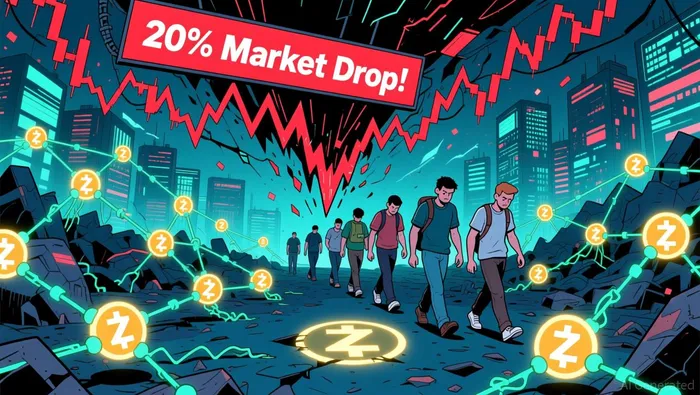
The resignation triggered immediate market reactions, with ZEC dropping over 20% at its peak within 24 hours. Analysts highlighted governance flaws as a potential long-term risk, especially for a project positioned as a leader in privacy coins amid regulatory pressures according to analysis. On-chain data showed a significant drop in development activity since 2021, raising concerns about the execution of crucial updates like Halo 2 as reported.
The Zcash Foundation has defended the network's independence, stating that it was designed to function without reliance on any single contributor, team, or organization. While the foundation clarified that no single entity controls the Zcash network, the incident underscored structural vulnerabilities in decentralized governance models. Market participants remain divided, with some viewing the situation as a principled decision rather than an abandonment of the project.
What Caused the Zcash Developer Exodus?
The core development team's departure was driven by governance conflicts with Bootstrap, a nonprofit formed in 2020 to support and govern the Zcash ecosystem. The dispute centered on budgetary control, including decisions on block rewards and community contributions, with the ECC team alleging that governance changes undermined Zcash's privacy-first identity and ethical obligations to users.
Josh Swihart, former ECC CEO, emphasized the constructive discharge nature of the resignations and noted that the team will form a new company to continue building privacy-preserving digital money. Zcash founder Zooko Wilcox clarified that the governance dispute does not impact the Zcash network's security or privacy assurances, while also expressing confidence in the integrity of the Bootstrap board members involved.
What Are the Implications for Zcash's Future?
The resignation has raised concerns about the long-term viability of Zcash's governance structure and the sustainability of its development model. Analysts warn that the incident highlights vulnerabilities in centralized development teams within open-source blockchain projects, especially for privacy-focused assets. The formation of a new company by the departing team signals a potential shift from nonprofit to for-profit development.
The Zcash Foundation has reaffirmed the network's resilience and independence, asserting that it was designed to operate without reliance on any single contributor. However, on-chain data suggests development activity has dropped to its lowest level since 2021, raising questions about the execution of key updates.
Market participants are closely monitoring how governance clarity and development continuity evolve. While the Zcash protocol remains functional, the event has underscored the fragility of governance models in blockchain projects and raised questions about the future of privacy coins in a regulatory landscape that increasingly scrutinizes decentralized development.

Blending traditional trading wisdom with cutting-edge cryptocurrency insights.
Latest Articles
Stay ahead of the market.
Get curated U.S. market news, insights and key dates delivered to your inbox.






Comments
No comments yet