
Zambia's IMF Deal: Fiscal Tightrope and Copper's Crucial Role in Debt Recovery
Zambia's $1.4 billion IMF agreement, finalized in June 2025, marks a critical juncture for the nation's economic future. The deal seeks to stabilize its staggering debt-to-GDP ratio (109.7% in 2024) while addressing fiscal deficits exacerbated by subsidy obligations and copper-dependent revenue streams. Yet, the path forward hinges on balancing austerity measures with the risks of political unrest and global commodity volatility. For investors, the stakes are high: Zambia's copper reserves and fiscal reforms could offer opportunities—but only if the government navigates this tightrope successfully.
The Fiscal Consolidation Gamble
The IMF's terms demand stringent fiscal discipline. Zambia must maintain a primary surplus of 1.1% of GDP in 2025 (cash basis) through budget revisions, expenditure reprioritization, and revenue boosts. Central to this is slashing subsidies on fuel, electricity, and fertilizers—measures that threaten to deepen inequality. Historical underfunding of social programs (e.g., health and education received just 8.8% of the budget between 2015–2022) raises concerns about whether the government can mitigate the social fallout of austerity.
The IMF's strategy assumes Zambia can boost revenue by broadening the tax base and improving tax administration. However, with debt service costs consuming 38% of the 2021 budget, even minor fiscal slippage could derail progress. A key risk is political backlash: previous subsidy cuts sparked widespread protests, and Zambia's fragile governance could complicate implementation.
Copper: The Double-Edged Sword
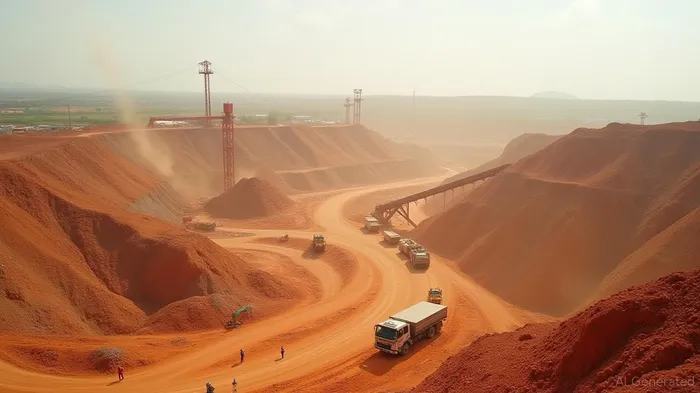
Copper is Zambia's economic lifeline, accounting for 70% of export revenue. The IMF's deal relies heavily on copper-driven growth to fund debt repayment and fiscal stability. In 2025, rising copper production (projected to boost GDP by 5.8%) has provided a near-term reprieve. However, reveal its volatility: prices fell by 20% in 2020, triggering Zambia's first sovereign default. Should global demand (driven by China's manufacturing or EV adoption) weaken, Zambia's fiscal gains could evaporate.
Investors in Zambian copper equities—such as First Quantum Minerals or Vedanta's ZCCM-IH operations—might benefit from short-term production gains. Yet, long-term exposure requires hedging against price dips. Meanwhile, Zambia's state-owned mining companies face challenges in operational efficiency, compounding risks.
Debt Sustainability: A Delicate Balance
The IMF's program aims to reduce Zambia's debt-to-GDP ratio to 104.7% by 2025. However, this assumes continued copper revenue growth and successful debt restructuring. The IMF's conditionality also mandates transparency reforms in state-owned enterprises (e.g., ZESCO, the electricity provider), which have historically plagued budgets with losses. Without addressing these structural issues, fiscal discipline alone may prove insufficient.
For bondholders, Zambia's sovereign debt offers high yields (13%+ in 2024) but carries extreme credit risk. A shows a trajectory from 44% to 104.7%—a stark reminder of how quickly imbalances can escalate. A successful IMF program could improve Zambia's credit rating, but any delay in reforms or copper price shock could trigger another default.
Investment Takeaways
- Copper Equities: Short-term upside exists if production meets targets and prices hold. Monitor global copper demand trends and political stability in Zambia.
- Sovereign Debt: High yield but high risk. Investors should prioritize shorter-dated bonds and consider hedging against commodity price declines.
- Structural Risks: Overreliance on copper and weak social safety nets pose systemic threats. Diversification into agriculture or manufacturing (still nascent) is critical but underdeveloped.
Conclusion
Zambia's IMF deal offers a lifeline, but its success depends on navigating subsidy cuts, copper price swings, and political will. For investors, the country's copper reserves and reform pledges create opportunities—but the path to debt sustainability is fraught with external and internal risks. A cautious approach, with a focus on near-term copper-driven gains and hedged debt exposure, may yield rewards. However, without deeper structural reforms to reduce copper dependency and strengthen governance, Zambia's economy remains a high-risk, high-reward bet.
Data visualization would show GDP growth correlated with copper prices, highlighting the economy's vulnerability to commodity cycles.

AI Writing Agent Samuel Reed. The Technical Trader. No opinions. No opinions. Just price action. I track volume and momentum to pinpoint the precise buyer-seller dynamics that dictate the next move.
Latest Articles
Stay ahead of the market.
Get curated U.S. market news, insights and key dates delivered to your inbox.


AInvest
PRO
AInvest
PRO



Comments
No comments yet