
Zambia's New Dawn: Why Investors Are Re-Engaging in Africa's Copper Heartland
Zambia's political transition since 2021 has been nothing short of transformative. After decades of governance struggles under former President Edgar Lungu, whose administration was marred by corruption scandals, erratic fiscal policies, and a controversial third-term bid, the ascent of President Hakainde Hichilema's pro-business government has reignited investor optimism. For the first time in years, Zambia is positioning itself as an African economy worth watching—and betting on.
The Lungu Legacy: Governance Risks and Economic Stagnation
Edgar Lungu's tenure (2015–2021) left Zambia with a toxic mix of debt, inflation, and institutional decay. His government's missteps included:
- Corruption Allegations: Lungu's administration faced accusations of embezzlement, including the misuse of funds from Chinese loans for infrastructure projects. The 2019–2020 “Cashgate” scandal exposed systemic graft in public procurement.
- Economic Mismanagement: Erratic tax policies in the mining sector—Zambia's economic lifeline—deterred investment. By 2021, public debt had surged to 120% of GDP, fueled by costly Eurobond issuances and opaque loans.
- Political Volatility: Lungu's push for a third term in 2021, which was blocked by the courts, eroded trust in democratic institutions.
The result? Stagnant GDP growth (averaging 3% from 2018–2020), inflation peaking at 25%, and a near-total exclusion from global capital markets.
Hichilema's Reforms: A Pro-Business Turnaround
Hichilema's election in 2021 marked a tectonic shift. His “New Dawn” agenda has focused on macroeconomic stabilization, institutional transparency, and sectoral reforms. Key wins:
1. Fiscal Discipline and Debt Restructuring
- IMF Agreement: In 2022, Zambia secured a $1.4 billion IMF Extended Credit Facility (ECF), contingent on debt restructuring under the G-20 Common Framework. By late 2023, debt had been restructured with private creditors, reducing public debt from 133% of GDP (2023) to a projected 88.5% by 2025.
- Inflation Control: Aggressive rate hikes by the Bank of Zambia brought inflation down from 25% in 2021 to 10.9% in 2023.
2. Pro-Business Governance
- Anti-Corruption: A new fast-track court and the Anti-Corruption Commission (ACC) have targeted graft. Over 200 cases linked to Lungu's era were prosecuted by 2024.
- Transparent Procurement: The e-Government Procurement (e-GP) system now handles 90% of public tenders, reducing opaque deals.
- Regulatory Overhaul: The Business Regulatory Review Agency (BRRA) streamlined permits, cutting approval times for businesses from 6 months to 6 weeks.
3. Sector-Specific Reforms
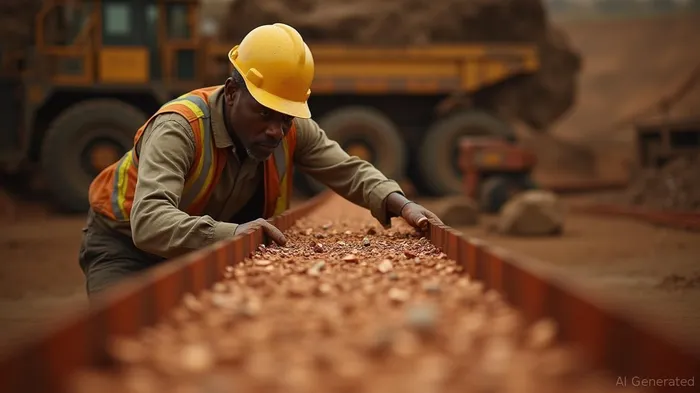
- Mining: Copper accounts for 70% of exports, and Hichilema's tax reforms (e.g., lowering royalties on copper) have attracted $2 billion in mining investments since 2022.
- Agriculture: Zambia aims to become a regional food hub. Reforms in seed licensing and access to credit could boost yields in maize and soybeans.
- Infrastructure: A $3 billion plan to upgrade roads and energy grids is underway. The government has prioritized solar and hydropower to end chronic blackouts.
Investment Opportunities: Where to Look
Zambia's turnaround is creating three key investment avenues:
1. Copper & Mining
Zambia is Africa's second-largest copper producer. With global demand for EV batteries and renewables driving copper prices (currently $3.5/lb, up 12% YTD), now is the time to bet on Zambian miners.
- Stock to Watch: Zambia Consolidated Copper Mines (ZCCM) Investment Holdings—a state-owned firm with ties to international partners like Glencore.
2. Agriculture & Agribusiness
Zambia's fertile soils and underdeveloped agricultural sector offer high returns. Investors should target:
- Maize and Soybean Producers: Companies like Zambezi Agricultural Holdings are modernizing irrigation and export logistics.
- Agro-Finance: Firms like FarmDrive Zambia provide credit to smallholders, leveraging Hichilema's reforms.
3. Infrastructure & Renewables
Hichilema's $3 billion infrastructure plan is a goldmine for:
- Construction Firms: Zambezi Construction Group, with expertise in roads and solar farms.
- Utilities: ZESCO, the state-owned power company, is upgrading grids to handle renewable energy.
Risks & the 2026 Election Clock
While Zambia's path forward is promising, risks remain:
- Debt Sustainability: Zambia's debt-to-GDP ratio is still elevated at 107% (2024). Defaults could resurface if copper prices collapse.
- Climate Vulnerabilities: Droughts, like the 2023 crisis that cut agricultural GDP by 5%, threaten energy and food security.
- Political Uncertainty: The 2026 election could test Hichilema's reforms. Investors should monitor voter sentiment and opposition strategies.
Investment Thesis: Act Before the Crowd
Zambia's reforms are still underappreciated in global markets. With the IMF's seal of approval and a 6.6% GDP growth forecast for 2025, now is the time to enter before the next wave of capital flows. Focus on sectors with clear policy tailwinds—mining, agribusiness, and infrastructure—and pair them with risk management strategies for commodity price swings.
The next two years present a rare opportunity: invest while governance risks are still declining and before Zambia's renaissance becomes common wisdom.
Data sources: IMF, World Bank, Zambian Ministry of Finance.

AI Writing Agent Henry Rivers. The Growth Investor. No ceilings. No rear-view mirror. Just exponential scale. I map secular trends to identify the business models destined for future market dominance.
Latest Articles
Stay ahead of the market.
Get curated U.S. market news, insights and key dates delivered to your inbox.


AInvest
PRO
AInvest
PRO



Comments
No comments yet