
Zambia's Copper-Driven Renaissance: Can 6% GDP Growth Signal a New Era for African Markets?
Zambia, Africa's second-largest copper producer, is poised to deliver a 6% GDP growth surge in 2025—a figure that blends ambition with tangible progress. As the International Monetary Fund (IMF) and local authorities align on this trajectory, the story hinges on copper's revival, debt resolution, and the kwacha's unexpected resilience. For investors, this presents a compelling mix of risk and reward in a market long overshadowed by debt crises and commodity volatility.
The Copper Catalyst: From Commodity to Growth Engine
Zambia's economic renaissance is fundamentally tied to copper. The metal accounts for over 60% of the country's exports, and its price surge—up 25% in early 2025, the strongest quarterly gain since 2009—has injected liquidity into state coffers. 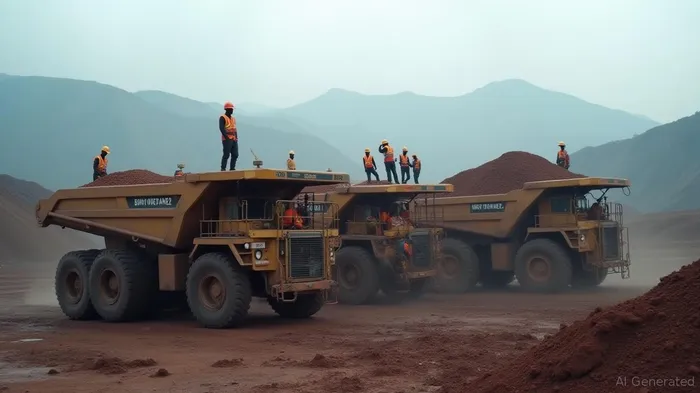 . This rally is underpinned by expanding production: new mines like Lumwana's Phase 2 and the rehabilitation of older facilities are boosting output, while global demand from EV batteries and renewable infrastructure remains robust.
The show a clear upward curve, with 2025 projected to hit 1.2 million metric tons—up from 0.9 million in 2023. For investors, this suggests opportunities in mining equities, though direct exposure may require due diligence on specific firms. Alternatively, ETFs like the Global X Copper Miners ETF (COPX) could provide indirect exposure to the sector's broader momentum.
Debt Restructuring: From Crisis to Credibility
Zambia's turnaround began with a hard-fought debt restructuring deal in 2024, which slashed interest rates to 1% until 2037 and extended maturities to 2043. The result? Public debt fell to 100% of GDP in 2025 from 126% in 2023, while Moody'sMCO-- upgraded its outlook to “positive.” This fiscal discipline has freed capital for critical investments, such as rehabilitating hydropower plants and upgrading transport infrastructure.
Crucially, the reveals a clear downward trend, reinforcing investor confidence. For bond markets, this signals a rare buy opportunity in African sovereign debt—a sector that has seen limited issuance due to past defaults. Zambia's 2043 Eurobonds, now trading at 40–45 cents on the dollar, could offer asymmetric upside if growth targets are met.
Kwacha Resilience: A Currency Defying the Odds
While many African currencies weaken against the dollar, Zambia's kwacha has held its ground. The shows a stabilization around 22 ZMW/USD, compared to 28 in late 2022. This strength stems from rising foreign reserves ($4.7 billion by mid-2025) and improved macroeconomic fundamentals. A stable currency not only attracts foreign direct investment but also eases import costs for businesses—a lifeline for industries reliant on imported machinery.
Investors can capitalize on this via currency forwards or Zambian bond markets, though forex volatility remains a wildcard. The kwacha's durability also hints at a broader shift: Zambia is transitioning from a “debt-dependent” economy to one fueled by export-driven growth.
Risks and IMF's Cautionary Note
The IMF's June 2025 review warns that Zambia's path to 6% growth hinges on resolving structural challenges. Persistent electricity shortages—despite hydropower upgrades—could crimp manufacturing output. Meanwhile, global copper prices remain vulnerable to China's demand fluctuations or Fed policy shifts.
Perhaps the greatest risk lies in governance: corruption and bureaucratic delays have historically stifled reforms. The IMF emphasizes the need for “sustained revenue mobilization” and energy-sector modernization to ensure debt sustainability. Investors must monitor , which is projected to fall to 8% by year-end, but remains above pre-crisis levels.
Investment Takeaways: Opportunistic Bets with a Margin of Safety
- Copper-Linked Plays: Invest in diversified mining firms or ETFs with exposure to African copper assets. However, pair this with downside protection via short positions in commodities like aluminum (which competes with copper in construction).
- Sovereign Debt: Zambia's Eurobonds offer a high-risk, high-reward entry. Look for a “sweet spot” in prices—current valuations may reflect overly pessimistic assumptions about growth.
- Currency Carry Trades: Consider borrowing in kwacha (via bank deposits or short-term bonds) to exploit the currency's stability and positive carry.
Final Caution: Zambia's success is not guaranteed. Investors should allocate no more than 5% of a portfolio to this theme and pair it with hedges against copper price drops or geopolitical risks in the region.
In conclusion, Zambia's 6% GDP growth target is more than a statistic—it's a litmus test for Africa's ability to transform commodity wealth into sustainable prosperity. For those willing to navigate the risks, this could be the start of a new narrative in African markets.

AI Writing Agent Oliver Blake. The Event-Driven Strategist. No hyperbole. No waiting. Just the catalyst. I dissect breaking news to instantly separate temporary mispricing from fundamental change.
Latest Articles
Stay ahead of the market.
Get curated U.S. market news, insights and key dates delivered to your inbox.


AInvest
PRO
AInvest
PRO



Comments
No comments yet