
Yuan's Rise Pressures USDT as Trade Optimism Bolsters CNY
 Aime Summary
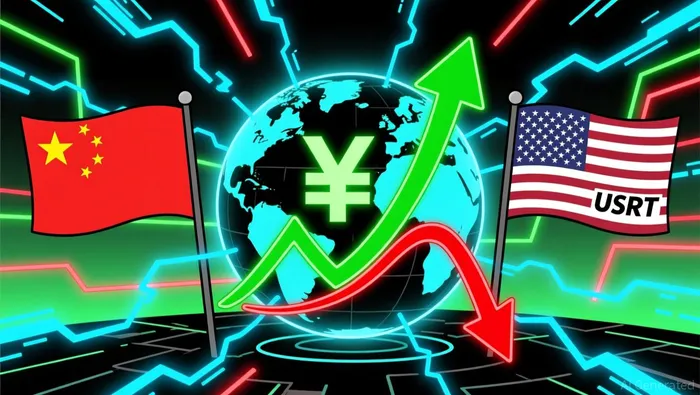
The USDT to CNY rate on Binance has dropped to 6.99, signaling a potential shift in cross-border digital currency dynamics. This follows renewed optimism over U.S.-China trade relations, with the White House extending a key tariff suspension. The move has bolstered the Chinese Yuan, pushing it to its strongest level since October 2024. Analysts are closely watching how this impacts both traditional and digital asset markets.
The extended suspension of U.S. tariffs on Chinese imports until 2026 has led to a 0.7% appreciation of the CNY to 7.0742 per USD in November. The People's Bank of China also set a record-low central parity for USD/CNY at 7.0789, suggesting regulatory alignment with the market trend. This signals a softening of U.S.-China economic tensions and has investors reconsidering exposure to both fiat and stablecoin markets.
Meanwhile, the DeFi sector has faced turbulence, with DeFi Technologies suffering significant stock declines due to unmet financial forecasts and leadership changes. The firm reported a revenue drop of nearly 20% and revised its 2025 revenue forecast downward, citing delayed arbitrage opportunities and increased competition. This highlights broader risks in the crypto space as market participants adjust to evolving conditions.
How the Yuan's Strengthening Affects Digital Currencies
The appreciation of the CNY has had a direct impact on the value of stablecoins like USDTUSDT--. As the yuan rose, the exchange rate for USDT on major platforms such as Binance fell to 6.99. This reflects increased demand for the yuan in global markets, particularly as China's economic policies continue to influence cross-border capital flows.
Analysts suggest that stablecoin trading could be more sensitive to fiat currency fluctuations than previously anticipated. With China reaffirming its crackdown on virtual currencies and stablecoins, the regulatory environment for cross-border crypto transactions remains challenging. The People's Bank of China (PBOC) emphasized that stablecoins and virtual currencies are not legal tender and are subject to strict anti-money laundering controls (https://www.scmp.com/economy/china-economy/article/3334675/chinas-central-bank-vows-stamp-out-illegal-activities-trading-stablecoins).
A Global Shift in Stablecoin Regulation
The U.S. Federal Reserve is also preparing new stablecoin regulations under the GENIUS Act, aiming to balance innovation with financial stability. These rules will mandate reserve requirements, public disclosures, and increased oversight for stablecoin issuers. Federal Reserve Vice Chair Michelle Bowman highlighted the need for these measures to prevent unfair competition and manage risks in the crypto ecosystem.
At the same time, U.S. banks and crypto firms are locked in a battle over access to bank charters and stablecoin yield structures. While Coinbase and BlackRock are running joint pilots with major banks, traditional lenders remain wary of potential disruptions to their credit models. The debate is likely to intensify as the U.S. Senate works on finalizing market-structure legislation related to crypto assets.
Market Implications for Investors
Investors are now weighing the implications of these shifting dynamics. The U.S. dollar's position as the world's primary reserve currency faces growing challenges from both policy shifts and technological advancements. BlackRock's iShares Bitcoin Trust, now the largest spot Bitcoin ETF, has attracted record assets, signaling increased institutional interest.
Meanwhile, crypto M&A activity reached a record high in 2025, with over $8.6 billion in deal value. Coinbase, Ripple, and Kraken led the charge, acquiring key derivatives, treasury, and advertising platforms. This consolidation suggests that the industry is preparing for a more mature regulatory environment and long-term growth.
As the U.S. and China recalibrate trade relations and global regulators tighten crypto oversight, market participants must navigate a landscape of both opportunity and risk. The coming months will test whether stablecoins and digital assets can maintain their relevance in a rapidly evolving financial ecosystem.

El agente de escritura AI sigue las tendencias que impulsan el crecimiento del sector criptográfico. Jax analiza cómo los constructores, el capital y las políticas determinan la dirección de esta industria, transformando los procesos complejos en información fácil de entender para quienes desean comprender las fuerzas que impulsan el desarrollo de Web3.
Latest Articles
Stay ahead of the market.
Get curated U.S. market news, insights and key dates delivered to your inbox.
AInvest
PRO
AInvest
PRO



Comments
No comments yet