
Young Brothers' Rate Hike: A Logistics Crossroads for Hawaii's Economy
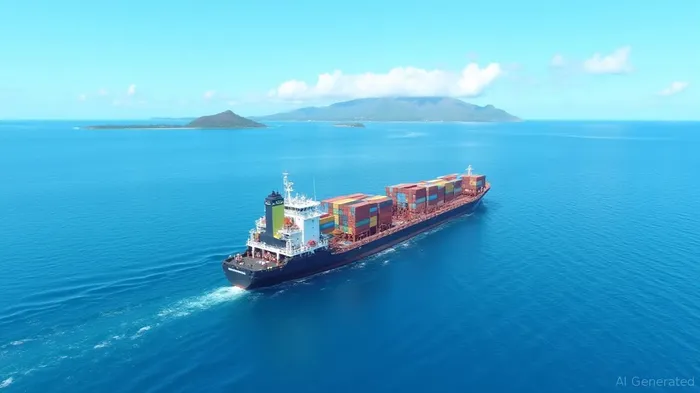
Hawaii's interisland shipping backbone, Young Brothers, LLC, is bracing for a temporary 18.1% rate increase effective July 1, 2025, as regulators seek to stabilize the financially strained carrier while minimizing disruptions to the islands' supply chains. The move, part of a broader PUC proceeding, raises critical questions about its ripple effects on consumer prices, small businesses, and the viability of alternative logistics strategies. For investors, this decision could foreshadow long-term shifts in Hawaii's transportation landscape—and present opportunities in related sectors.
The Immediate Impact: Temporary Pain, Permanent Uncertainty
The PUC's 18.1% temporary rate hike, effective July 1, is a stopgap measure to prevent Young Brothers from collapsing amid rising operational costs and post-pandemic shipping declines. While this is lower than the 25% increase initially sought, the company still faces a deeper proposed 27% general rate hike ($26.4 million) pending final approval. The temporary hike's duration—until December 31, 2025, or until the PUC rules—adds uncertainty for businesses and consumers.
For retailers and wholesalers, higher shipping costs could filter into consumer prices, though the temporary nature of the hike may limit immediate inflationary pressure. However, if the PUC approves the permanent rate increase, the cumulative effect could destabilize already tight profit margins for small businesses. The 2% additive increase for agricultural products, while aimed at supporting local farmers, may still strain their budgets in a state where food and goods are already costlier than mainland averages.
Small Businesses: Caught Between a Rock and a Hard Place
Hawaii's small businesses, particularly those reliant on interisland shipping for perishables or bulky goods, face a precarious balancing act. Many operate on narrow margins, leaving little room to absorb sudden cost spikes. While Young Brothers' community meetings and public comment process aim to address concerns, practical solutions are limited.
Some businesses may pivot to alternative carriers like Pasha Hawaii, the only explicit interisland competitor noted in regulatory filings. Pasha's 5–6-day delivery times and capacity for oversized cargo could make it a viable option, though its rates and reliability compared to Young Brothers remain critical factors. However, Pasha's smaller scale and focus on specific cargo types (e.g., vehicles, oversize items) may not fully replace Young Brothers' broad service.
Other businesses might explore mainland-based carriers like Matson (MATX), though routing goods through the U.S. West Coast would likely add time and expense. For example, shipping a container from Oahu to Kauai via MatsonMATX-- would require a detour to California, increasing costs and delays.
Investment Implications: Betting on Logistics Resilience
For investors, the PUC's final ruling on Young Brothers' general rate case (Docket No. 2024-0255) is a pivotal catalyst. A rejection of the 27% increase could force Young Brothers into insolvency, destabilizing interisland shipping and creating a vacuum for competitors. Conversely, approval might stabilize the company but burden customers with higher costs, potentially spurring a shift to alternatives.
Pasha Hawaii's role is key here, though its privately held status limits direct investment opportunities. Publicly traded Matson (MATX), however, could benefit indirectly. If Young Brothers' rates deter mainland-to-Hawaii shippers, Matson might capture incremental business. Additionally, Matson's existing interisland port network (e.g., Hilo, Kahului) positions it to expand if competitors falter.
Investors should also monitor the proposed Water Carrier Inflationary Cost Index (WICI) mechanism, which ties future rate adjustments to inflation (excluding food/energy). If approved, it could reduce volatility for Young Brothers' pricing but complicate long-term cost predictability for businesses.
Conclusion: Navigating the New Normal
Young Brothers' rate hike is a microcosm of Hawaii's broader logistical challenges: high costs, reliance on fragile supply chains, and a lack of competition. For now, the temporary increase is a Band-Aid, not a cure. Investors should prioritize:
1. Tracking the PUC's final decision on the 27% rate increase, due by late 2025.
2. Watching Matson (MATX) for shifts in market share or pricing power.
3. Advocating for policy solutions that encourage competition or subsidies for small businesses.
In the end, Hawaii's economy will weather this storm—but the path forward hinges on whether regulators and market forces can align to sustain affordability and accessibility.
Ben Levisohn's analysis emphasizes actionable insights for investors navigating regulatory and logistical crossroads.

Stay ahead of the market.
Get curated U.S. market news, insights and key dates delivered to your inbox.
AInvest
PRO
AInvest
PRO



Comments
No comments yet