
New York's Nuclear Renaissance: A Golden Opportunity in Clean Energy Infrastructure
The push to decarbonize global energy systems has created a paradox: renewable sources like wind and solar are booming, but their intermittency leaves a critical gapGAP-- in grid reliability. Enter New York's bold plan to revive nuclear power as a cornerstone of its clean energy future. With Governor Kathy Hochul's directive to build the state's first new nuclear plant in decades, New York is positioning itself at the forefront of advanced nuclear innovation—a move that could redefine strategic investments in sustainable infrastructure.
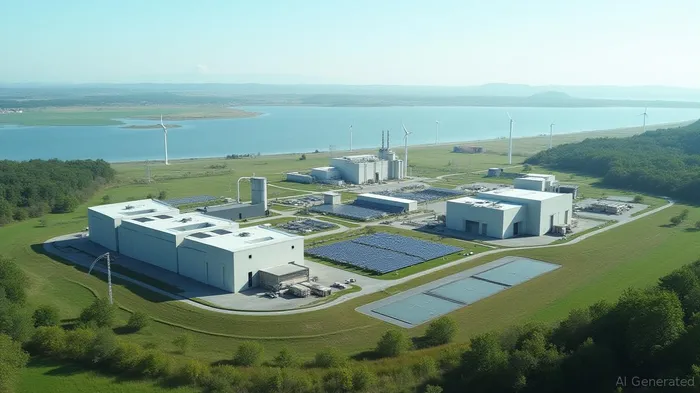
A Climate Imperative, Economic Engine
New York's Climate Leadership and Community Protection Act (CLCPA) mandates 100% zero-emission electricity by 2040. To meet this goal, the state's existing nuclear fleet—providing 41.6% of its carbon-free power—will be supplemented by a new 1 GW advanced nuclear facility. This plant will not only fill the baseload power gap left by retiring fossilFOSL-- fuel plants but also support surging demand from data centers, AI infrastructure, and electric vehicles.
The economic ripple effects are substantial. The project aims to create 1,600 construction jobs and 1,200 permanent roles, many in unionized trades. For investors, this signals opportunities in sectors like , which supply critical infrastructure components. Additionally, the plant's location in Upstate regions like the North Country or near existing facilities such as Nine Mile Point could catalyze broader regional revitalization, attracting industries reliant on reliable, low-cost power—think semiconductor manufacturingTSM-- or green hydrogen production.
Regulatory Tailwinds and Technological Leapfrogging
New York's initiative benefits from bipartisan momentum. While the state's Democratic leadership champions climate goals, even Republican lawmakers like Senator George Borrello are advocating for specific sites like the NRG Dunkirk plant to spur local economic growth.
On the federal front, the project aligns with former President Trump's executive orders to accelerate nuclear development—a rare point of continuity in energy policy. The focus on small modular reactors (SMRs) is key here. Unlike traditional reactors, SMRs offer scalability, faster construction timelines (3–5 years vs. a decade for conventional plants), and enhanced safety features. Companies like Ontario Power Generation and U.S. firms like WestinghouseWAB-- are already pioneering this tech, creating investment pathways through their supply chains and R&D partnerships.
Risk and Reward: Navigating the Nuances
Critics, including groups like Food & Water Watch, argue that nuclear's high upfront costs and waste managementWM-- challenges divert resources from renewables. However, this overlooks nuclear's unique role in grid stability. Solar and wind contribute less than 10% of New York's current electricity, underscoring the need for reliable baseload power. The CLCPA's 2040 deadline also makes it impractical to rely solely on intermittent renewables.
Investors should assess risks like federal regulatory delays (a perennial issue for nuclear projects) and cost overruns, exemplified by Georgia's $35 billion Vogtle plant. However, SMRs' standardized designs and shorter timelines reduce these risks. The NYPA's emphasis on public-private partnerships—leveraging private capital for construction while securing state support for permits—also mitigates financial burdens.
The Investment Playbook
1. Equity in Nuclear Infrastructure Firms: Companies like Constellation Energy (NYSE:CEG), which already operates New York's Nine Mile Point plant, stand to benefit from new project contracts. 2. Supply Chain Plays: Manufacturers of advanced reactor components (e.g., nuclear-grade steel, control systems) and engineering firms with SMR expertise could see demand spikes.3. Green Bonds and Infrastructure Funds: NYPA's project may issue bonds tied to clean energy targets, offering stable returns with ESG alignment.4. Geographic Exposure: Investors in Upstate New York real estate or regional utilities (e.g., Central Hudson Gas & Electric) could capitalize on economic revitalization tied to the plant's construction.
Conclusion: A Bridge to 2040
New York's advanced nuclear push isn't just about electricity—it's a strategic bet on infrastructure that bridges the gap between today's renewables and tomorrow's net-zero grid. For investors, the project embodies the “all-of-the-above” approach needed to meet climate goals while fostering economic resilience. As the world pivots toward energy systems that are both sustainable and reliable, New York's nuclear renaissance offers a template—and an opportunity—to profit from the future of clean power.

Delivering real-time insights and analysis on emerging financial trends and market movements.
Latest Articles
Stay ahead of the market.
Get curated U.S. market news, insights and key dates delivered to your inbox.


AInvest
PRO
AInvest
PRO



Comments
No comments yet