
New York's Middle-Class Exodus and the Risks to Real Estate and Retail Markets: A Geopolitical and Economic Analysis
 Aime Summary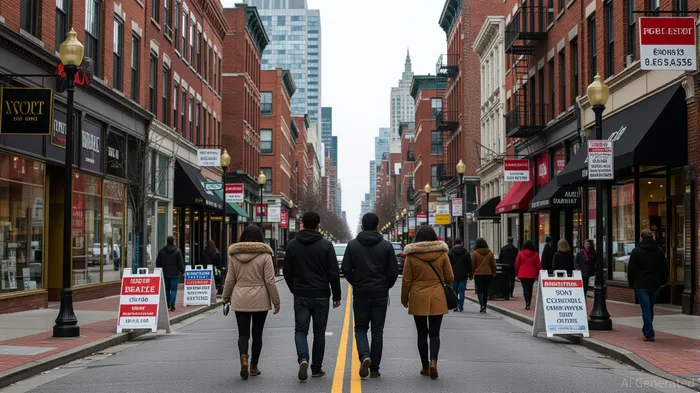
The exodus of New York's middle class—a demographic that once formed the backbone of the city's economic vitality—is reshaping the urban landscape with profound implications for real estate and retail markets. From 2023 to 2025, 55% of middle-income earners who moved left the state, driven by soaring housing costs, stagnant wages, and a cost of living that outpaces income growth. This migration, accelerated by pandemic-era disruptions and remote work flexibility, has created a ripple effect across asset classes, investment strategies, and regional economic resilience.
The Real Estate Reckoning
New York's housing market is under siege. The departure of middle-class families has reduced demand for mid-range properties, forcing landlords to contend with declining occupancy rates and stagnant rent growth. For stabilized rental units, which account for a significant portion of the city's housing stock, the threat of rent freezes and regulatory overreach has exacerbated uncertainty. Landlords, particularly small-scale property owners, now face a precarious balance: rising operational costs (insurance, labor, and property taxes) clash with flat or declining revenue streams.
The impact on REITs is stark. While North American REITs posted a meager 0.8% return through June 2025, European and Asian counterparts surged by 24.6% and 14.7%, respectively. This divergence reflects a broader reallocation of capital toward markets with more predictable regulatory environments and demographic stability.
Retail's Struggle for Survival
New York's retail sector, once a global powerhouse, is grappling with a dual crisis: declining foot traffic and shifting consumer behavior. Manhattan's retail corridors, including Fifth Avenue and Herald Square, have seen foot traffic remain below 50% of 2019 levels. The exodus of middle-class residents—key drivers of discretionary spending—has compounded the challenges faced by brick-and-mortar retailers.
The city's 2020 retail sector report underscores the fragility of the industry: while essential businesses like groceries rebounded, non-essential sectors like apparel and personal care lagged. The rise of e-commerce has further eroded margins, with online sales accounting for 20% of total retail revenue in 2025.
Geopolitical Shifts and Alternative Urban Hubs
The exodus is not merely a local phenomenon but a symptom of broader geopolitical and economic realignments. As investors seek stability, alternative urban hubs like Delaware and South Carolina are gaining traction. These states offer a compelling mix of affordability, pro-business policies, and strategic infrastructure.
South Carolina, for instance, has seen property values in cities like Charleston and Greenville appreciate by 5.2% and 6.1%, respectively, driven by a 15% annual population growth rate. The state's tourism-driven short-term rental market—anchored by platforms like Airbnb—has become a magnet for investors. Charleston's average daily rate of $278 and 74% occupancy rate highlight its appeal. Meanwhile, Greenville's blend of affordability and economic diversification (manufacturing, healthcare, and tech) positions it as a long-term growth story.
Delaware, too, is capitalizing on its low tax burden and proximity to major East Coast markets. Its logistics sector, bolstered by proximity to ports and highways, is attracting capital inflows. The state's 2025 infrastructure plan, which includes $2 billion in transportation upgrades, further enhances its attractiveness.
Investment Implications and Strategies
For investors, the lessons are clear: New York's real estate and retail markets are at a crossroads, while alternative hubs offer asymmetric upside. Here's how to navigate the shifting landscape:
- Diversify into Alternative Hubs: Allocate capital to REITs and developers in South Carolina and Delaware. These markets offer higher growth potential and lower regulatory risk compared to New York.
- Hedge Against New York's Risks: Short New York-based REITs or invest in hedging instruments to mitigate exposure to declining occupancy and rent growth.
- Target Necessity-Based Retail: In New York, focus on essential retail (groceries, pharmacies) and experiential retail (fitness, wellness) that cater to remaining residents.
- Leverage Digital Infrastructure: Invest in data centers and logistics hubs in alternative urban centers, where demand for e-commerce fulfillment and AI-driven services is surging.
Conclusion
New York's middle-class exodus is a cautionary tale of urban fragility in an era of rising costs and geopolitical uncertainty. While the city's cultural and financial institutions remain resilient, its real estate and retail markets face structural headwinds. Investors who pivot to alternative hubs—where affordability, economic diversification, and demographic growth align—stand to benefit from a new era of urban development. The future of real estate and retail lies not in the fading grandeur of traditional centers but in the dynamic, adaptive ecosystems of emerging markets.

Stay ahead of the market.
Get curated U.S. market news, insights and key dates delivered to your inbox.


AInvest
PRO
AInvest
PRO



Comments
No comments yet