
YFI Falls 5.17% in 7 Days Amid DeFi Market Scrutiny
 Aime Summary
On DEC 4 2025, YFIYFI-- dropped by 1.79% within 24 hours to reach $3884, YFI dropped by 5.17% within 7 days, dropped by 6.18% within 1 month, and dropped by 51.45% within 1 year.
DeFi Sector Faces Legal Scrutiny as YFI Continues Downtrend
YFI’s recent decline has been amplified by broader market concerns following a securities fraud investigation launched into DeFi TechnologiesDEFT-- Inc. (DEFT). While not directly related to YFI, the probe into DEFTDEFT-- has cast a wider shadow over the DeFi ecosystem, raising questions about transparency, governance, and the viability of automated yield strategies.
The investigation, initiated by The Law Offices of Frank R. Cruz, centers on DEFT’s alleged misleading statements about its arbitrage trading activities. On November 6, DEFT announced its digital asset treasuries had “delayed a significant share of arbitrage opportunities,” followed by a 7.4% drop in its stock price. The situation worsened when the company reported a nearly 20% revenue decline and significantly revised its 2025 forecast, citing a delay in executing previously anticipated arbitrage opportunities and a change in leadership. These revelations triggered a further 27.6% drop in DEFT’s stock price over two trading days.
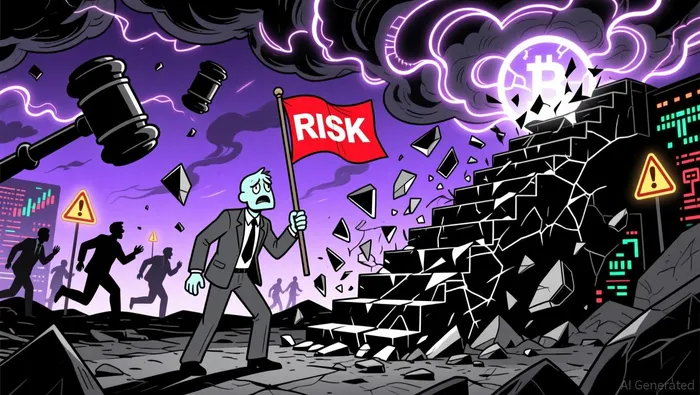
Such volatility underscores the fragility of market sentiment in the DeFi space, where investor confidence is closely tied to operational transparency and regulatory clarity.
Market Reaction Reflects Broader DeFi Realignment
The performance of YFI in recent weeks has mirrored a broader correction across DeFi assets, which have seen a reevaluation of risk-reward dynamics. YFI’s 5.17% drop over the past 7 days and a 6.18% decline over 30 days indicate a sustained bearish trend. Analysts have noted that yield farming models, which YFI helped pioneer, are increasingly under pressure as investors shift focus to more secure, institutional-grade products.
While the DeFi sector is still evolving, recent legal and financial developments have reinforced the need for stronger governance and regulatory alignment. The DEFT case serves as a cautionary example, highlighting the risks associated with opaque operations and unrealistic performance claims.
YFI’s Long-Term Outlook Remains Uncertain
Over the past year, YFI has dropped by more than half—51.45%—a stark reflection of the sector’s maturation and the growing preference for more regulated, risk-managed investment structures. While DeFi remains a key innovation layer in the crypto industry, the recent legal scrutiny and performance declines have prompted investors to reassess their exposure.
There is no widely shared analyst projection at this time regarding YFI’s trajectory, but the broader market trend suggests continued caution. As the DeFi space navigates regulatory and operational challenges, projects that offer transparent governance, sustainable yield models, and real-world use cases are likely to gain traction.
Sector-Wide Implications of Legal and Market Developments
The DEFT investigation is not an isolated incident but part of a larger pattern of regulatory and investor scrutiny that has swept across the DeFi and crypto space. As more projects come under the spotlight, market participants are likely to favor assets with clear utility, strong community governance, and robust legal frameworks.
The DeFi ecosystem is at a crossroads—innovation must now be balanced with accountability. For investors, this means a shift from speculative yield strategies to more grounded, risk-averse allocations. For projects like YFI, the path forward will depend on their ability to adapt to this new market reality.

Delivering real-time analysis and insights on unexpected cryptocurrency price movements to keep traders ahead of the curve.
Latest Articles
Stay ahead of the market.
Get curated U.S. market news, insights and key dates delivered to your inbox.
AInvest
PRO
AInvest
PRO



Comments
No comments yet