
Yellen Warns Tariffs May Not Sustain Long-Term Revenue
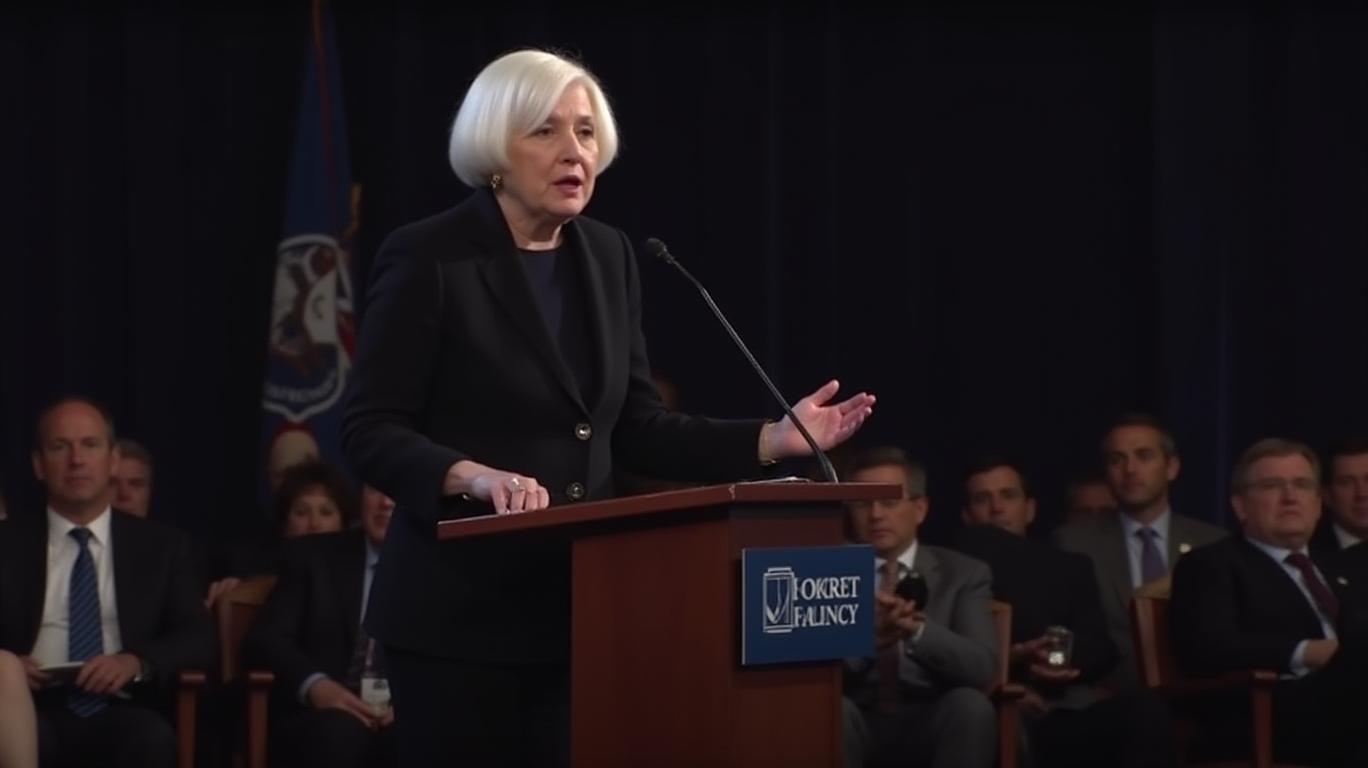
U.S. Treasury Secretary Janet Yellen recently acknowledged the limitations of tariffs, stating that they cannot simultaneously increase revenue and aid in the recovery of U.S. manufacturing. She compared the most effective tariff policy to a "melting ice cube," emphasizing the challenges in achieving multiple objectives with tariffs. Yellen highlighted that tariffs serve various purposes, including increasing revenue, supporting U.S. industry, ensuring national interests, and prioritizing certain goals.
When questioned by reporters about the potential long-term effects of high tariffs on foreign goods, Yellen admitted that while the U.S. would initially see high tariff revenue, this could decrease over time as factories relocate to the U.S. and domestic commercial and wage income increase. She described this shift as a "rebalancing" from tariff revenue to domestic income, indicating a transition in the economic landscape.
Yellen's comments come at a time when the U.S. has been implementing significant tariff policies. On April 3, President Trump signed an executive order imposing a 10% "minimum baseline tariff" on trading partners, with higher tariffs on certain partners. The administration has argued that these tariffs help increase revenue, protect U.S. businesses, bring manufacturing back to the U.S., and create jobs for American workers.
However, Yellen's acknowledgment highlights the complex nature of tariff policies. While tariffs can provide an immediate boost to government revenue, they may not be sustainable in the long term, especially if they are intended to stimulate domestic manufacturing. The shift from tariff revenue to domestic income underscores the need for a balanced approach that considers both short-term gains and long-term economic sustainability.
Economists and business leaders have warned that these tariff measures could lead to increased prices, harming both U.S. consumers and businesses. They also caution that these policies could disrupt global trade and hinder global economic development. Several U.S. trading partners have already indicated that they will take retaliatory measures in response to the tariffs.

Stay ahead of the market.
Get curated U.S. market news, insights and key dates delivered to your inbox.






Comments
No comments yet