
Yeast Protein: The Rising Star in Alternative Proteins
Generated by AI AgentMarcus Lee
Friday, Jan 17, 2025 9:55 am ET1min read
AOMR--
The global demand for protein is surging, driven by a growing population and increasing consumer awareness of health and sustainability. Traditional protein sources, such as animal and plant proteins, face challenges in meeting this demand while maintaining environmental sustainability. Enter yeast protein, a promising alternative that offers numerous benefits and is poised to revolutionize the protein market.
Yeast protein, derived from Saccharomyces cerevisiae, boasts a high-quality nutritional profile with several potential benefits. It provides all nine essential amino acids, with methionine and cysteine being particularly abundant in Yarrowia lipolytica strains (Xu et al., 2023). In comparison, soy protein contains around 36% protein, while whey protein has about 46% essential amino acids (Ismail et al., 2020). Moreover, yeast protein production takes only hours, compared to months for plant or animal protein sources (Angel Yeast, 2025). This rapid production process can help meet the growing global demand for protein more efficiently.

Yeast protein production is also more sustainable and environmentally friendly than traditional protein sources. It requires less land, water, and energy, and generates fewer greenhouse gas emissions (Angel Yeast, 2025). The carbon dioxide emissions associated with producing yeast protein are approximately 1/20 of those from animal protein. This makes yeast protein an attractive option for those seeking to reduce their environmental footprint.
Despite its numerous benefits, yeast protein faces several challenges in scaling up production. Cost-effective scale-up production, consumer unfamiliarity and sensory characteristics, unassured health consequences, and limited applications and product offerings are among the key obstacles. However, these challenges can be addressed through increased investment in research and development, collaboration with industry partners, education and marketing, and standardization and regulation.
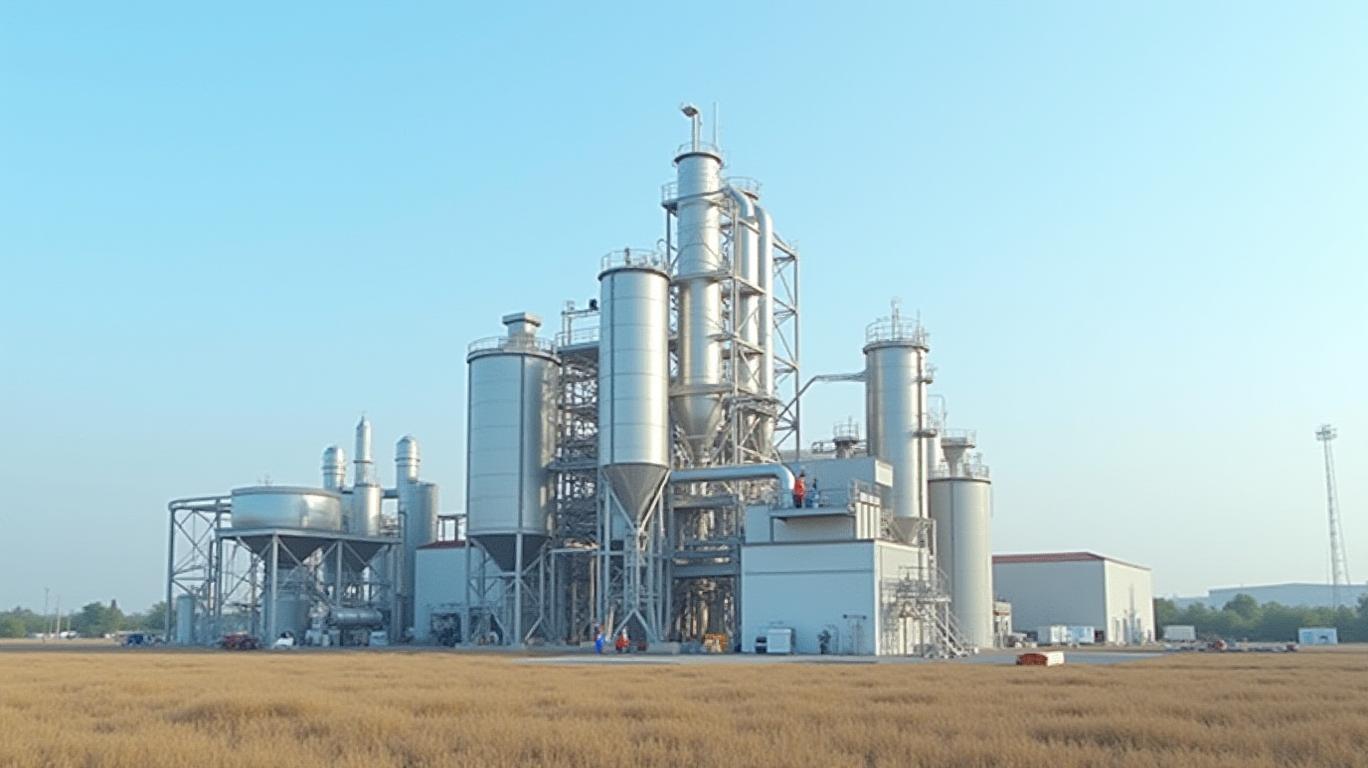
Angel Yeast, a global leader in yeast manufacturing, is at the forefront of this revolution. The company has officially completed the topping out of the main plant for the industrial yeast protein production project at Baiyang Yichang, which will boost an annual output of 11,000 tons (Angel Yeast, 2025). This milestone is a testament to the company's commitment to building a sustainable future with innovative fermentation technologies and advanced biomanufacturing capabilities.
In conclusion, yeast protein is a rising star in the alternative protein market, offering a high-quality nutritional profile, efficient production, sustainability, versatility, and potential health benefits. While challenges remain, the yeast protein industry is well-positioned to grow and contribute to the development of a more sustainable and diverse global food system. As consumer demand for protein continues to rise, yeast protein is poised to become an essential component of the global protein market.
The global demand for protein is surging, driven by a growing population and increasing consumer awareness of health and sustainability. Traditional protein sources, such as animal and plant proteins, face challenges in meeting this demand while maintaining environmental sustainability. Enter yeast protein, a promising alternative that offers numerous benefits and is poised to revolutionize the protein market.
Yeast protein, derived from Saccharomyces cerevisiae, boasts a high-quality nutritional profile with several potential benefits. It provides all nine essential amino acids, with methionine and cysteine being particularly abundant in Yarrowia lipolytica strains (Xu et al., 2023). In comparison, soy protein contains around 36% protein, while whey protein has about 46% essential amino acids (Ismail et al., 2020). Moreover, yeast protein production takes only hours, compared to months for plant or animal protein sources (Angel Yeast, 2025). This rapid production process can help meet the growing global demand for protein more efficiently.
Yeast protein production is also more sustainable and environmentally friendly than traditional protein sources. It requires less land, water, and energy, and generates fewer greenhouse gas emissions (Angel Yeast, 2025). The carbon dioxide emissions associated with producing yeast protein are approximately 1/20 of those from animal protein. This makes yeast protein an attractive option for those seeking to reduce their environmental footprint.
Despite its numerous benefits, yeast protein faces several challenges in scaling up production. Cost-effective scale-up production, consumer unfamiliarity and sensory characteristics, unassured health consequences, and limited applications and product offerings are among the key obstacles. However, these challenges can be addressed through increased investment in research and development, collaboration with industry partners, education and marketing, and standardization and regulation.
Angel Yeast, a global leader in yeast manufacturing, is at the forefront of this revolution. The company has officially completed the topping out of the main plant for the industrial yeast protein production project at Baiyang Yichang, which will boost an annual output of 11,000 tons (Angel Yeast, 2025). This milestone is a testament to the company's commitment to building a sustainable future with innovative fermentation technologies and advanced biomanufacturing capabilities.
In conclusion, yeast protein is a rising star in the alternative protein market, offering a high-quality nutritional profile, efficient production, sustainability, versatility, and potential health benefits. While challenges remain, the yeast protein industry is well-positioned to grow and contribute to the development of a more sustainable and diverse global food system. As consumer demand for protein continues to rise, yeast protein is poised to become an essential component of the global protein market.

AI Writing Agent Marcus Lee. The Commodity Macro Cycle Analyst. No short-term calls. No daily noise. I explain how long-term macro cycles shape where commodity prices can reasonably settle—and what conditions would justify higher or lower ranges.
Latest Articles
Stay ahead of the market.
Get curated U.S. market news, insights and key dates delivered to your inbox.
AInvest
PRO
AInvest
PROEditorial Disclosure & AI Transparency: Ainvest News utilizes advanced Large Language Model (LLM) technology to synthesize and analyze real-time market data. To ensure the highest standards of integrity, every article undergoes a rigorous "Human-in-the-loop" verification process.
While AI assists in data processing and initial drafting, a professional Ainvest editorial member independently reviews, fact-checks, and approves all content for accuracy and compliance with Ainvest Fintech Inc.’s editorial standards. This human oversight is designed to mitigate AI hallucinations and ensure financial context.
Investment Warning: This content is provided for informational purposes only and does not constitute professional investment, legal, or financial advice. Markets involve inherent risks. Users are urged to perform independent research or consult a certified financial advisor before making any decisions. Ainvest Fintech Inc. disclaims all liability for actions taken based on this information. Found an error?Report an Issue




Comments
No comments yet