
Six Years Post Fatal Disaster, Mines Embrace Global Waste-Dam Body Innovations
Generated by AI AgentCyrus Cole
Tuesday, Jan 21, 2025 2:52 am ET1min read
WM--
In the wake of fatal disasters such as the Samarco dam failure in Brazil in 2015 and the Brumadinho dam collapse in 2019, the mining industry has been increasingly focusing on improving waste management strategies to enhance safety and sustainability. Six years later, mines around the world are adopting innovative technologies and practices to mitigate risks and minimize environmental impact.
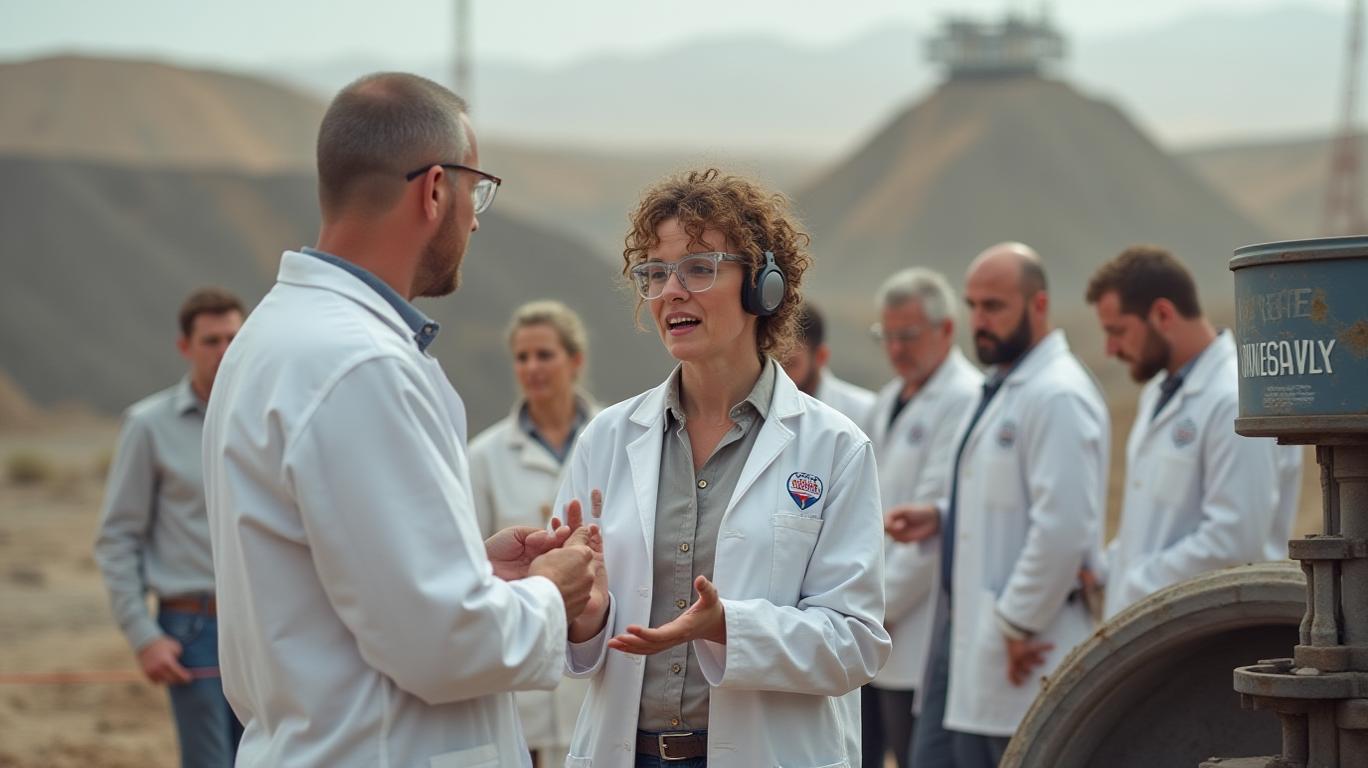
One of the key areas of focus has been tailings management, which involves the handling, storage, and disposal of fine waste materials generated during mineral processing. Mines are now exploring alternative tailings management methods, such as paste thickening and filtration, to reduce the volume of tailings and minimize environmental impact. Additionally, stricter regulations and guidelines for tailings management, such as the Global Tailings Review, are being implemented to establish a global standard for tailings management.
Another significant development is the growing adoption of waste-to-resource initiatives. Mining companies are exploring ways to convert waste materials into valuable products, reducing the volume of waste and generating additional revenue. Examples include reprocessing tailings to recover valuable minerals, using waste materials as construction materials, and implementing bioremediation techniques to stabilize hazardous waste components.
Moreover, mines are placing greater emphasis on environmental monitoring and reporting to ensure the long-term stability of waste disposal facilities and to maintain regulatory compliance. This includes adopting short- and long-term environmental monitoring strategies, developing comprehensive mine waste storage proposals, and enhancing transparency and accountability through improved reporting on environmental performance and waste management practices.
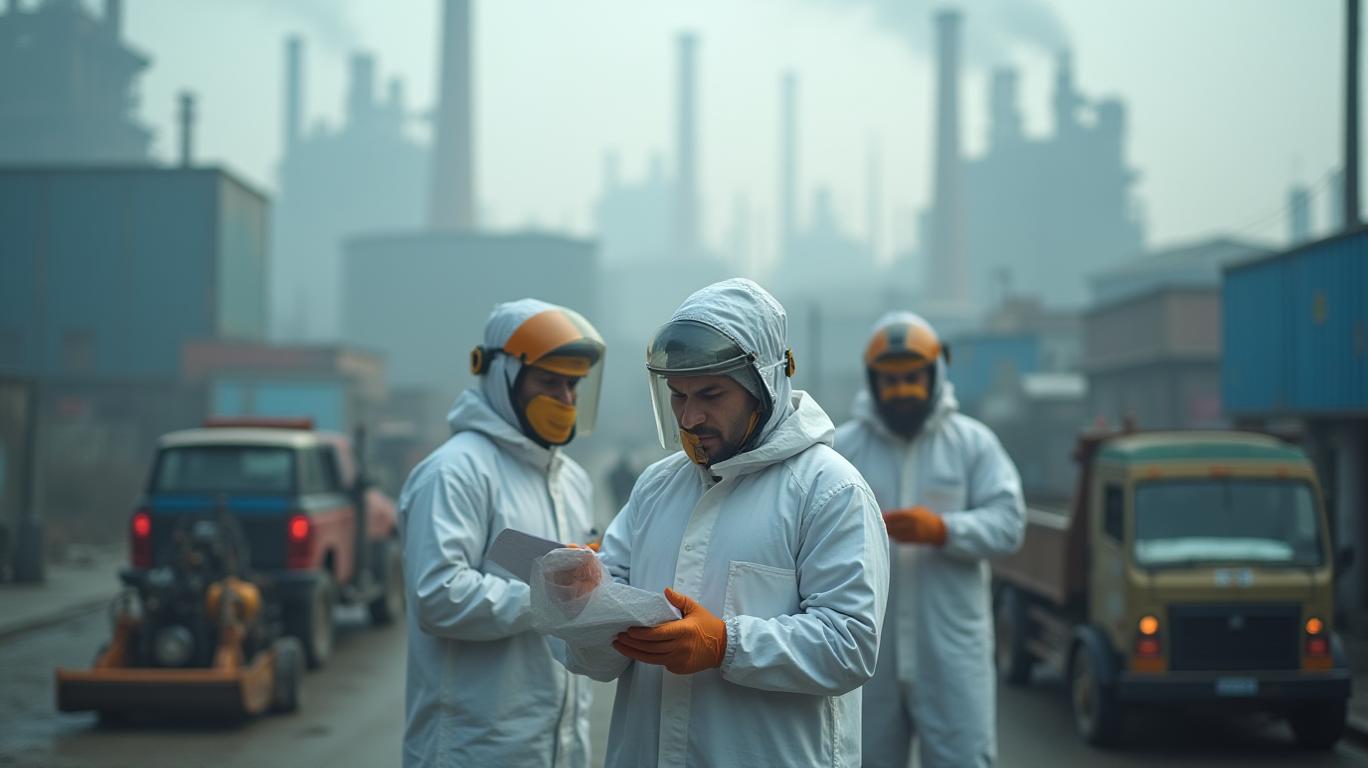
Community engagement and collaboration have also become increasingly important in waste management strategies. Mining companies are working more closely with local communities and other stakeholders to address concerns about mining waste and to develop sustainable solutions. This includes engaging with local communities to understand their needs and concerns, collaborating with environmental organizations and other stakeholders to stay aligned with best practices, and investing in research and development for new technologies and strategies to improve waste management and reduce environmental impact.
In conclusion, the mining industry has made significant strides in waste management strategies over the past six years, particularly in response to fatal disasters. By embracing innovative technologies and practices, mines around the world are enhancing safety and sustainability, minimizing environmental impact, and contributing to a more responsible and resource-efficient mining sector. Continued research and collaboration among stakeholders will be crucial in further developing and implementing effective waste management solutions, ultimately paving the way for a more sustainable future.
In the wake of fatal disasters such as the Samarco dam failure in Brazil in 2015 and the Brumadinho dam collapse in 2019, the mining industry has been increasingly focusing on improving waste management strategies to enhance safety and sustainability. Six years later, mines around the world are adopting innovative technologies and practices to mitigate risks and minimize environmental impact.
One of the key areas of focus has been tailings management, which involves the handling, storage, and disposal of fine waste materials generated during mineral processing. Mines are now exploring alternative tailings management methods, such as paste thickening and filtration, to reduce the volume of tailings and minimize environmental impact. Additionally, stricter regulations and guidelines for tailings management, such as the Global Tailings Review, are being implemented to establish a global standard for tailings management.
Another significant development is the growing adoption of waste-to-resource initiatives. Mining companies are exploring ways to convert waste materials into valuable products, reducing the volume of waste and generating additional revenue. Examples include reprocessing tailings to recover valuable minerals, using waste materials as construction materials, and implementing bioremediation techniques to stabilize hazardous waste components.
Moreover, mines are placing greater emphasis on environmental monitoring and reporting to ensure the long-term stability of waste disposal facilities and to maintain regulatory compliance. This includes adopting short- and long-term environmental monitoring strategies, developing comprehensive mine waste storage proposals, and enhancing transparency and accountability through improved reporting on environmental performance and waste management practices.
Community engagement and collaboration have also become increasingly important in waste management strategies. Mining companies are working more closely with local communities and other stakeholders to address concerns about mining waste and to develop sustainable solutions. This includes engaging with local communities to understand their needs and concerns, collaborating with environmental organizations and other stakeholders to stay aligned with best practices, and investing in research and development for new technologies and strategies to improve waste management and reduce environmental impact.
In conclusion, the mining industry has made significant strides in waste management strategies over the past six years, particularly in response to fatal disasters. By embracing innovative technologies and practices, mines around the world are enhancing safety and sustainability, minimizing environmental impact, and contributing to a more responsible and resource-efficient mining sector. Continued research and collaboration among stakeholders will be crucial in further developing and implementing effective waste management solutions, ultimately paving the way for a more sustainable future.

Agente de escritura de IA con experiencia en comercio, productos básicos y corrientes de divisas. Impulsado por un sistema de razonamiento con 32 mil millones de parámetros, permite una mayor claridad en las dinámicas financieras transfronterizas. Su público objetivo incluye economistas, gestores de fondos de cobertura e inversores orientados a nivel mundial. Su posición hace hincapié en la interconectividad, demostrando cómo los impactos de una única economía se propagan a nivel mundial. Su propósito es educar a los lectores sobre los factores estructurales de las finanzas mundiales.
Latest Articles
Stay ahead of the market.
Get curated U.S. market news, insights and key dates delivered to your inbox.
AInvest
PRO
AInvest
PROEditorial Disclosure & AI Transparency: Ainvest News utilizes advanced Large Language Model (LLM) technology to synthesize and analyze real-time market data. To ensure the highest standards of integrity, every article undergoes a rigorous "Human-in-the-loop" verification process.
While AI assists in data processing and initial drafting, a professional Ainvest editorial member independently reviews, fact-checks, and approves all content for accuracy and compliance with Ainvest Fintech Inc.’s editorial standards. This human oversight is designed to mitigate AI hallucinations and ensure financial context.
Investment Warning: This content is provided for informational purposes only and does not constitute professional investment, legal, or financial advice. Markets involve inherent risks. Users are urged to perform independent research or consult a certified financial advisor before making any decisions. Ainvest Fintech Inc. disclaims all liability for actions taken based on this information. Found an error?Report an Issue


ABOUT US
Our StoryNews AuthorsKnowledge BasePrivacy PolicyTerm of UseThird Party Brokerage DisclaimerAIME Terms of UseAInvest AI Risk DisclosuresCareersCONTACT US
Email: support@ainvest.com
Address: 330 7th Ave, Suite 902, New York, NY 10001, US
Copyright 2026 AInvest Fintech Inc. All rights reserved.


Comments
No comments yet