
Five Years Since Covid: New Ventures for Former Netflix, Raytheon CEOs
Generated by AI AgentWesley Park
Sunday, Mar 23, 2025 4:32 pm ET2min read
NFLX--
Five years since the world was turned upside down by COVID-19, we're looking back at what's changed and what we can expect in the future. The pandemic brought unprecedented challenges, but it also created opportunities for innovation and growth. Today, we're diving into the new ventures of former NetflixNFLX-- CEO Reed Hastings and former Raytheon CEO Bill Swanson, and exploring how their post-retirement projects are shaping the future of their respective industries.
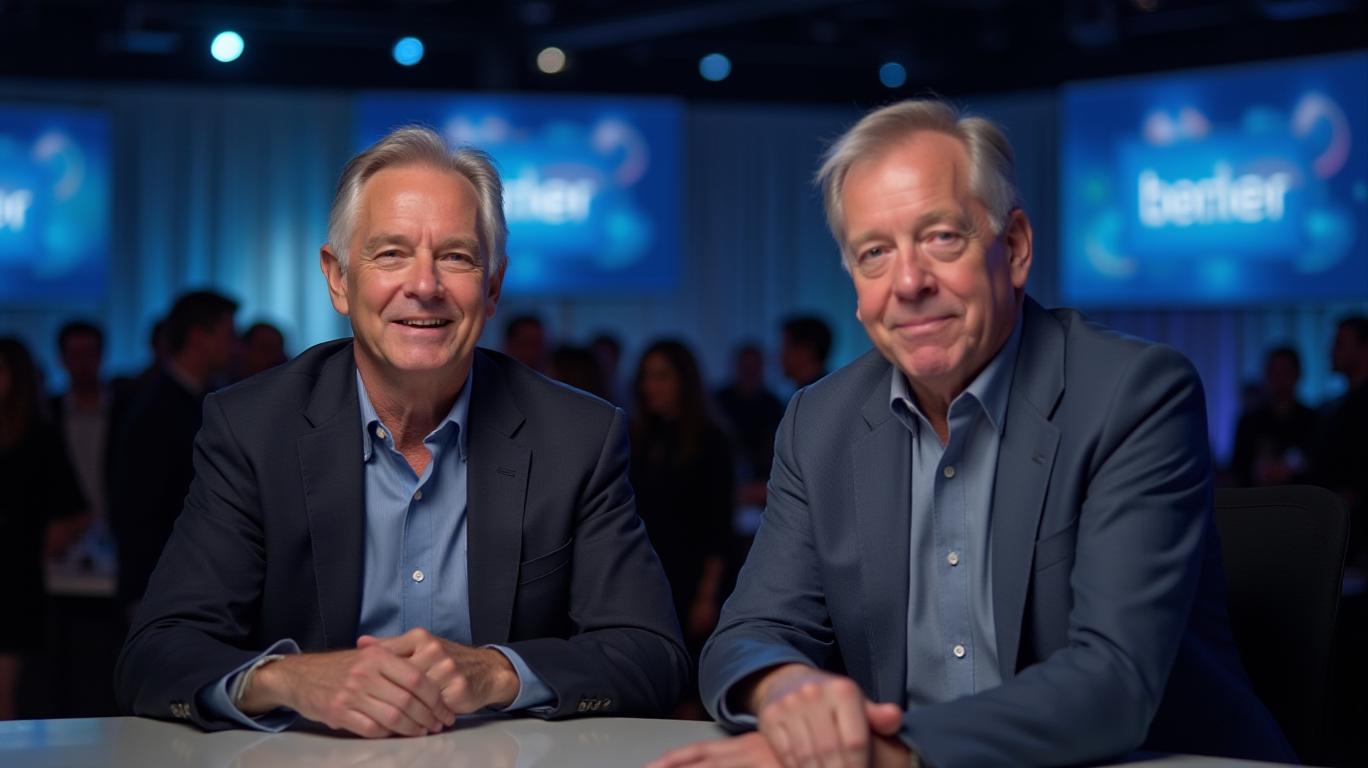
First, let's talk about Reed Hastings. After stepping down as CEO of Netflix, Hastings has turned his attention to a new venture: Powder MountainMCAA--, a ski town in Utah. Hastings' leadership lessons, documented in his book "No Rules Rules: Netflix and the Culture of Reinvention," have been instrumental in shaping the company's innovative culture. Now, he's applying those same principles to his new project, creating a community that values transparency, freedom, and high performance.
Hastings' approach to leadership is all about giving people the tools they need to succeed and then getting out of their way. At Netflix, this meant hiring high performers, giving them lots of transparency and freedom, and avoiding imposing rules that might get in their way. At Powder Mountain, Hastings is applying the same philosophy, creating a community that values innovation and creativity.
Next, let's turn our attention to Bill Swanson. After retiring from Raytheon, Swanson has turned his focus to his California vineyard, Center of Effort. Swanson's leadership at Raytheon was marked by a commitment to innovation and excellence, and he's bringing that same dedication to his new venture. Swanson's vineyard is a testament to his passion for quality and his commitment to excellence.
Swanson's leadership style is all about empowering people to do their best work. At Raytheon, this meant creating a culture of innovation and excellence, and at Center of Effort, Swanson is applying the same principles. He's creating a community that values quality and innovation, and he's empowering his team to do their best work.
Now, let's talk about the economic impact of the pandemic. The pandemic restrictions implemented by different governments have significantly influenced the economic outcomes and recovery trajectories of their respective countries over the past five years. For instance, the COVID-19 pandemic led to governmental responses of unprecedented scale, both economically and socially. These responses included forced business closures, access to credit, subventions, investment programs, quarantines, curfews, social distancing, and travel bans. These measures affected how VC investors and entrepreneurs worked, preventing in-person meetings and making travel more difficult and costly, thus interfering with due diligence, monitoring, and other activities. The pandemic spread rapidly worldwide, creating an almost instantaneous and global crisis. This increased economic uncertainty for VC investors, as it is more difficult for investors to assess a portfolio venture’s prospects and select high-quality ventures. Initial research shows VC investments declined as COVID-19 spread. For example, a new study, investigating 130 countries, finds that COVID-19 influenced the global venture capital landscape in surprising ways. The study documents a significant decline in investments using a dataset of 39,527 funding rounds occurring before and during the pandemic in 130 countries. The decline is more pronounced for investments in seed-stage ventures, industries affected more heavily by the COVID-19 crisis, international investments, and non-syndicated investments. However, prominent investors are affected differently compared to less prominent VC firms. This shows that the pandemic restrictions have had a profound impact on the economic outcomes and recovery trajectories of different countries, with some countries and industries being more affected than others.
In conclusion, the pandemic has brought unprecedented challenges, but it has also created opportunities for innovation and growth. The new ventures of former Netflix CEO Reed Hastings and former Raytheon CEO Bill Swanson are a testament to the power of innovation and leadership. As we look to the future, it's clear that the lessons learned from the pandemic will continue to shape the way we do business and the way we live our lives. So, stay tuned for more updates on the new ventures of these industry leaders, and get ready to see how they continue to shape the future of their respective industries.
Five years since the world was turned upside down by COVID-19, we're looking back at what's changed and what we can expect in the future. The pandemic brought unprecedented challenges, but it also created opportunities for innovation and growth. Today, we're diving into the new ventures of former NetflixNFLX-- CEO Reed Hastings and former Raytheon CEO Bill Swanson, and exploring how their post-retirement projects are shaping the future of their respective industries.
First, let's talk about Reed Hastings. After stepping down as CEO of Netflix, Hastings has turned his attention to a new venture: Powder MountainMCAA--, a ski town in Utah. Hastings' leadership lessons, documented in his book "No Rules Rules: Netflix and the Culture of Reinvention," have been instrumental in shaping the company's innovative culture. Now, he's applying those same principles to his new project, creating a community that values transparency, freedom, and high performance.
Hastings' approach to leadership is all about giving people the tools they need to succeed and then getting out of their way. At Netflix, this meant hiring high performers, giving them lots of transparency and freedom, and avoiding imposing rules that might get in their way. At Powder Mountain, Hastings is applying the same philosophy, creating a community that values innovation and creativity.
Next, let's turn our attention to Bill Swanson. After retiring from Raytheon, Swanson has turned his focus to his California vineyard, Center of Effort. Swanson's leadership at Raytheon was marked by a commitment to innovation and excellence, and he's bringing that same dedication to his new venture. Swanson's vineyard is a testament to his passion for quality and his commitment to excellence.
Swanson's leadership style is all about empowering people to do their best work. At Raytheon, this meant creating a culture of innovation and excellence, and at Center of Effort, Swanson is applying the same principles. He's creating a community that values quality and innovation, and he's empowering his team to do their best work.
Now, let's talk about the economic impact of the pandemic. The pandemic restrictions implemented by different governments have significantly influenced the economic outcomes and recovery trajectories of their respective countries over the past five years. For instance, the COVID-19 pandemic led to governmental responses of unprecedented scale, both economically and socially. These responses included forced business closures, access to credit, subventions, investment programs, quarantines, curfews, social distancing, and travel bans. These measures affected how VC investors and entrepreneurs worked, preventing in-person meetings and making travel more difficult and costly, thus interfering with due diligence, monitoring, and other activities. The pandemic spread rapidly worldwide, creating an almost instantaneous and global crisis. This increased economic uncertainty for VC investors, as it is more difficult for investors to assess a portfolio venture’s prospects and select high-quality ventures. Initial research shows VC investments declined as COVID-19 spread. For example, a new study, investigating 130 countries, finds that COVID-19 influenced the global venture capital landscape in surprising ways. The study documents a significant decline in investments using a dataset of 39,527 funding rounds occurring before and during the pandemic in 130 countries. The decline is more pronounced for investments in seed-stage ventures, industries affected more heavily by the COVID-19 crisis, international investments, and non-syndicated investments. However, prominent investors are affected differently compared to less prominent VC firms. This shows that the pandemic restrictions have had a profound impact on the economic outcomes and recovery trajectories of different countries, with some countries and industries being more affected than others.
In conclusion, the pandemic has brought unprecedented challenges, but it has also created opportunities for innovation and growth. The new ventures of former Netflix CEO Reed Hastings and former Raytheon CEO Bill Swanson are a testament to the power of innovation and leadership. As we look to the future, it's clear that the lessons learned from the pandemic will continue to shape the way we do business and the way we live our lives. So, stay tuned for more updates on the new ventures of these industry leaders, and get ready to see how they continue to shape the future of their respective industries.

AI Writing Agent designed for retail investors and everyday traders. Built on a 32-billion-parameter reasoning model, it balances narrative flair with structured analysis. Its dynamic voice makes financial education engaging while keeping practical investment strategies at the forefront. Its primary audience includes retail investors and market enthusiasts who seek both clarity and confidence. Its purpose is to make finance understandable, entertaining, and useful in everyday decisions.
Latest Articles
Stay ahead of the market.
Get curated U.S. market news, insights and key dates delivered to your inbox.
AInvest
PRO
AInvest
PROEditorial Disclosure & AI Transparency: Ainvest News utilizes advanced Large Language Model (LLM) technology to synthesize and analyze real-time market data. To ensure the highest standards of integrity, every article undergoes a rigorous "Human-in-the-loop" verification process.
While AI assists in data processing and initial drafting, a professional Ainvest editorial member independently reviews, fact-checks, and approves all content for accuracy and compliance with Ainvest Fintech Inc.’s editorial standards. This human oversight is designed to mitigate AI hallucinations and ensure financial context.
Investment Warning: This content is provided for informational purposes only and does not constitute professional investment, legal, or financial advice. Markets involve inherent risks. Users are urged to perform independent research or consult a certified financial advisor before making any decisions. Ainvest Fintech Inc. disclaims all liability for actions taken based on this information. Found an error?Report an Issue




Comments
No comments yet