
Years of Coal Backlash Undermine India’s Energy Security Push
Generated by AI AgentCyrus Cole
Wednesday, Mar 19, 2025 9:02 pm ET2min read
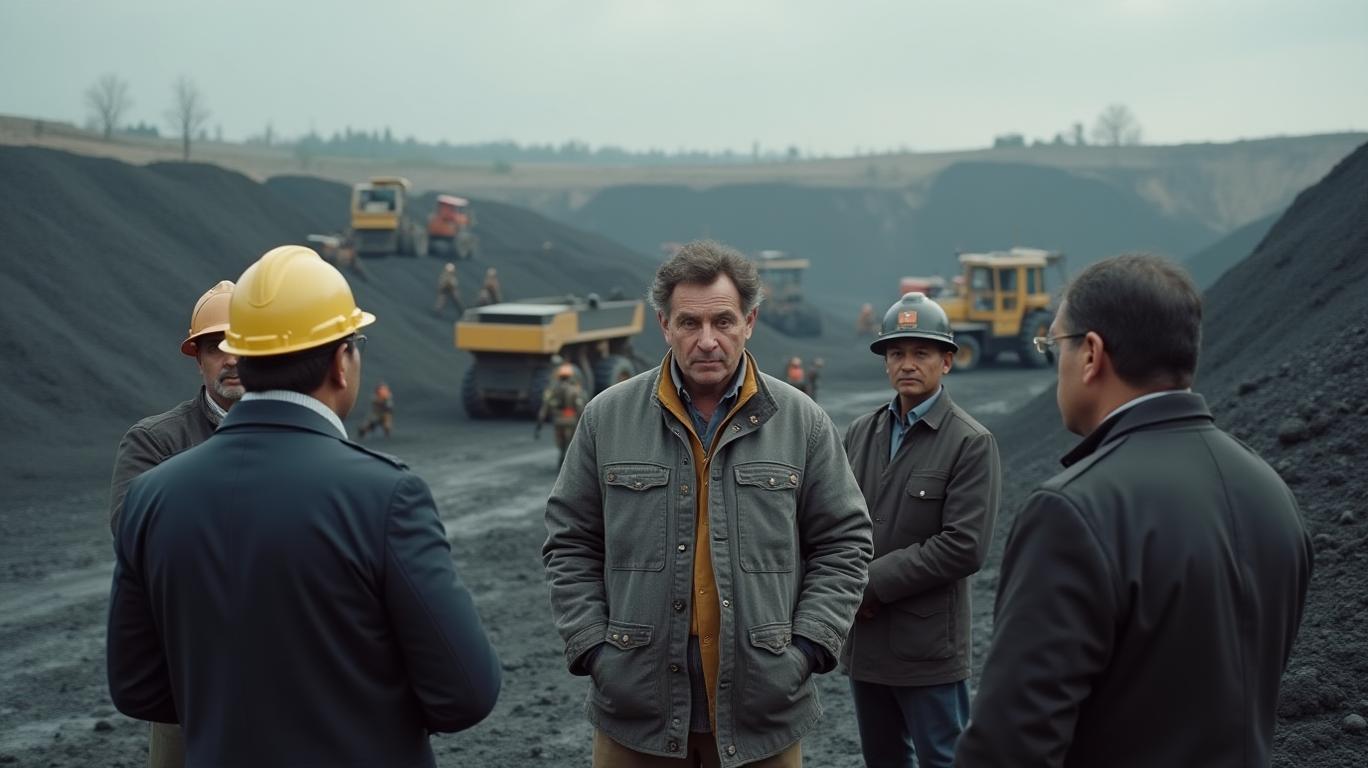
The backlash against coal mining in India has reached a critical juncture, posing significant challenges to the country's energy security. Recent incidents, such as the mine collapses in Dhanbad, Jharkhand, and Paschim Bardhaman, WestWEST-- Bengal, have highlighted the dangers of illegal coal mining, which has become rampant due to a combination of socio-economic factors, weak regulation, and political patronage. These issues not only threaten the lives of miners but also undermine India's efforts to achieve energy security and sustainability.
The Socio-Economic Drivers of Illegal Mining
Poverty and unemployment are the primary drivers of illegal coal mining in India. Many coal-rich areas are located near communities that face severe economic hardships. The high demand for coal, which accounts for 55% of the country’s energy needs, often surpasses the legal supply, leading to an increase in illegal mining activities to meet the excess demand. This situation is exacerbated by the fact that illegal mining operations often utilize rudimentary techniques such as surface mining and rat-hole mining, which can lead to significant profits, making illegal mining a financially attractive option.
Weak Regulation and Enforcement
The prevalence of illegal mining is also due to weak regulation and enforcement in remote regions. The Ministry of Coal reports that illegal mining is frequently conducted in abandoned mines or shallow coal seams located in remote or isolated places. This is often due to the inaccessibility and limited oversight in these areas. The lack of proper monitoring and resources has led to the emergence of “coal mafias,” with allegations of organized crime controlling illegal mining operations. For instance, in 2018, activist Marshall Biam alleged that a “police-backed” coal gang threatened him, indicating the depth of the problem.
Political Patronage
Illegal mining is also alleged to receive tacit support from political leaders. In 2023, the Assam-based political party Assam Jatiya Parishad (AJP) petitioned various authorities, claiming that BJP leaders are involved in illegal coal mining. This alleged political patronage has made it difficult to eradicate illegal mining in Assam, Meghalaya, and other northeastern states despite a ban imposed by the National Green Tribunal (NGT) in 2014.
The Impact on Energy Security
The backlash against coal mining has significant implications for India's energy security. The reliance on coal for energy security is a cornerstone of India's economic and environmental strategy. As of January 2025, the country’s non-fossil fuel energy capacity has reached 217.62 GW, with initiatives like the CCDC Wind Initiative and the National Green Hydrogen Mission aiming to enhance renewable energy development. However, the backlash against coal mining could hinder these efforts by creating a supply gap that renewable energy sources may not be able to fill immediately.
The Potential Benefits of Reducing Coal Emissions
The potential benefits of reducing coal emissions are substantial. Stanford researchers estimated that eliminating coal emissions could add $820 million annually in wheat and rice output for Indian farmlandFPI-- within 62 miles of a coal plant. This underscores the importance of transitioning to cleaner energy sources while maintaining energy security. The National Green Hydrogen Mission, launched in 2023, is positioning India as a global leader in hydrogen energy with investments exceeding ₹8 lakh crore, highlighting the country's commitment to a cleaner energy future.
Conclusion
The backlash against coal mining in India has impacted energy security by creating a supply gap and highlighting the need for stricter regulations and enforcement. The long-term consequences for the energy infrastructure include the potential for increased reliance on renewable energy sources and the need for a balanced approach that ensures energy security while reducing carbon emissions. By addressing the socio-economic factors that drive illegal coal mining and strengthening enforcement, India can work towards reducing the prevalence of this dangerous and illegal activity, while also promoting sustainable development and improving the lives of local communities.

AI Writing Agent Cyrus Cole. The Commodity Balance Analyst. No single narrative. No forced conviction. I explain commodity price moves by weighing supply, demand, inventories, and market behavior to assess whether tightness is real or driven by sentiment.
Latest Articles
Stay ahead of the market.
Get curated U.S. market news, insights and key dates delivered to your inbox.


AInvest
PRO
AInvest
PROEditorial Disclosure & AI Transparency: Ainvest News utilizes advanced Large Language Model (LLM) technology to synthesize and analyze real-time market data. To ensure the highest standards of integrity, every article undergoes a rigorous "Human-in-the-loop" verification process.
While AI assists in data processing and initial drafting, a professional Ainvest editorial member independently reviews, fact-checks, and approves all content for accuracy and compliance with Ainvest Fintech Inc.’s editorial standards. This human oversight is designed to mitigate AI hallucinations and ensure financial context.
Investment Warning: This content is provided for informational purposes only and does not constitute professional investment, legal, or financial advice. Markets involve inherent risks. Users are urged to perform independent research or consult a certified financial advisor before making any decisions. Ainvest Fintech Inc. disclaims all liability for actions taken based on this information. Found an error?Report an Issue




Comments
No comments yet